


Ecological Transition
Generative artificial intelligence is not just driving the digital economy; it is redrawing the map of global power. Amidst next-generation processors, data centres, raw materials, language models, and energy, a new geopolitical race is being fought that will decide much more than just the control of AI. This analysis bridges history, technology, and strategy to understand the struggle for global leadership.
By Nacho de Pinedo
I am Nacho de Pinedo, founder of ISDI – the first digital business school in Spain – CEO, entrepreneur, and above all, a digital optimist. Being a digital optimist means looking at technological disruptions through the eyes of a child: as a wonderful adventure where you have to play, discover, experiment, and sometimes, stick your fingers in the socket to learn through trial and error.
I firmly believe that well-managed technology improves people's lives, democratises opportunities, and opens up extraordinary spaces for progress. And artificial intelligence is the great disruption we now have to surf. It is no longer a promise for the future: it is in boardrooms, political conversations, the media, classrooms, management meetings, family dinners, and even in the Pope's encyclicals.
We use AI, and that's it. But often we fail to ask the fundamental questions: Where did it come from? How does it work? And what impact does it have?
ChatGPT, the great herald of generative AI, was launched in November 2022. Its adoption was lightning-fast: it reached one million users in five days and a hundred million in just two months. Instagram, for instance, took over two years to hit that milestone.
However, its intellectual origins date back to Alan Turing, the British mathematician who formulated the famous Turing Test in 1950 to address an uncomfortable question: Can a machine think? Since then, a revolutionary idea began to gain ground: that intelligence might not be the exclusive domain of human beings.
Following Turing's tragic death in 1954, his vision continued to advance. In 1956, at Dartmouth College, a group of scientists coined the term "artificial intelligence" with a foundational ambition: to create systems capable of replicating human cognitive functions.
For decades, that promise advanced slowly, based mostly on programmed rules. The big leap came with Machine Learning, when machines started learning patterns from data to classify, recommend, or predict. Then, Deep Learning multiplied that capability through deep neural networks, driven by more data and greater computing power. It was no longer just about calculating faster, but about finding and creating new strategies.
The great revolution that led us to generative AI arrived with Transformers, an architecture introduced in 2017 that allowed models to process natural language better. This laid the foundation for large language models, or LLMs: systems capable of generating text, images, audio, video, code, or designs. GPT, Gemini, Claude, Llama, Grok, Mistral, Qwen, Ernie, and DeepSeek are some of the models powering applications such as ChatGPT, Copilot, and Midjourney.
That is why current AI represents a change in scale. We went from machines that obeyed rules to machines that learned from data; then, to systems capable of recognising complex patterns; and finally, to models that interact with us in natural language and collaborate on cognitive tasks: writing, programming, analysing, summarising, designing, researching, and decision-making.
In a fierce context of technological Darwinism, businesses, professionals, armies, and countries know they cannot afford to be left out of this race. If an organisation does not use AI, its closest competitor probably will.
That is why geopolitics is turning into a race to control the technologies underpinning generative AI. We are living in a time when the incumbent power, the United States, is fighting to maintain its hegemony against the great emerging power, China, while Europe watches from a different tier.
Whoever controls AI will be able to project economic, political, and military power. And several critical pieces are needed for that.
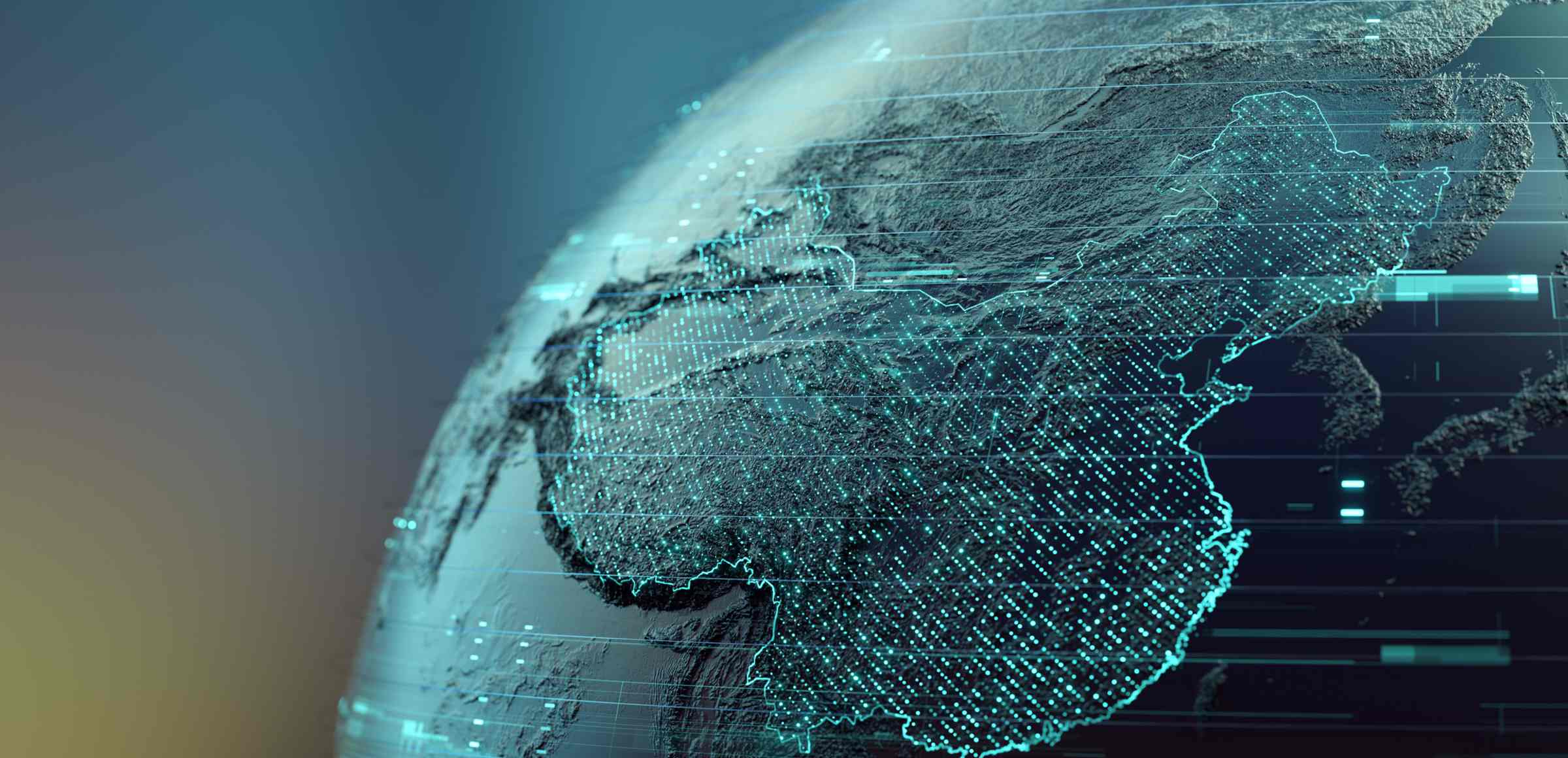
The first is next-generation processors. LLMs require a colossal physical infrastructure. Traditional CPUs are not enough. GPUs are needed – graphics processing units capable of performing millions of calculations in parallel. NVIDIA, an American company, designs many of the most advanced chips, but their manufacturing largely depends on TSMC in Taiwan. That is why Taiwan is not just a strategic island: it is one of the industrial heartlands of global AI.
The second piece is rare earth elements. Seventeen chemical elements – such as neodymium, praseodymium, dysprosium, and terbium – that are essential for smartphones, cameras, electric motors, wind turbines, drones, satellites, robots, guided missiles, fighter jets, and navigation systems. They are not necessarily scarce, but they are difficult, expensive, and polluting to extract, separate, and refine. China dominates these processes in particular. That is where the real bottleneck lies.
The third piece is foundational models. They are to AI what operating systems were to the computer or what the cloud was to the internet. Their control is concentrated in big tech companies. The United States leads with OpenAI, Microsoft, Google, Anthropic, and Meta. China is advancing with Alibaba, Baidu, Tencent, ByteDance, and DeepSeek. Europe has few global contenders, with Mistral being the main exception.
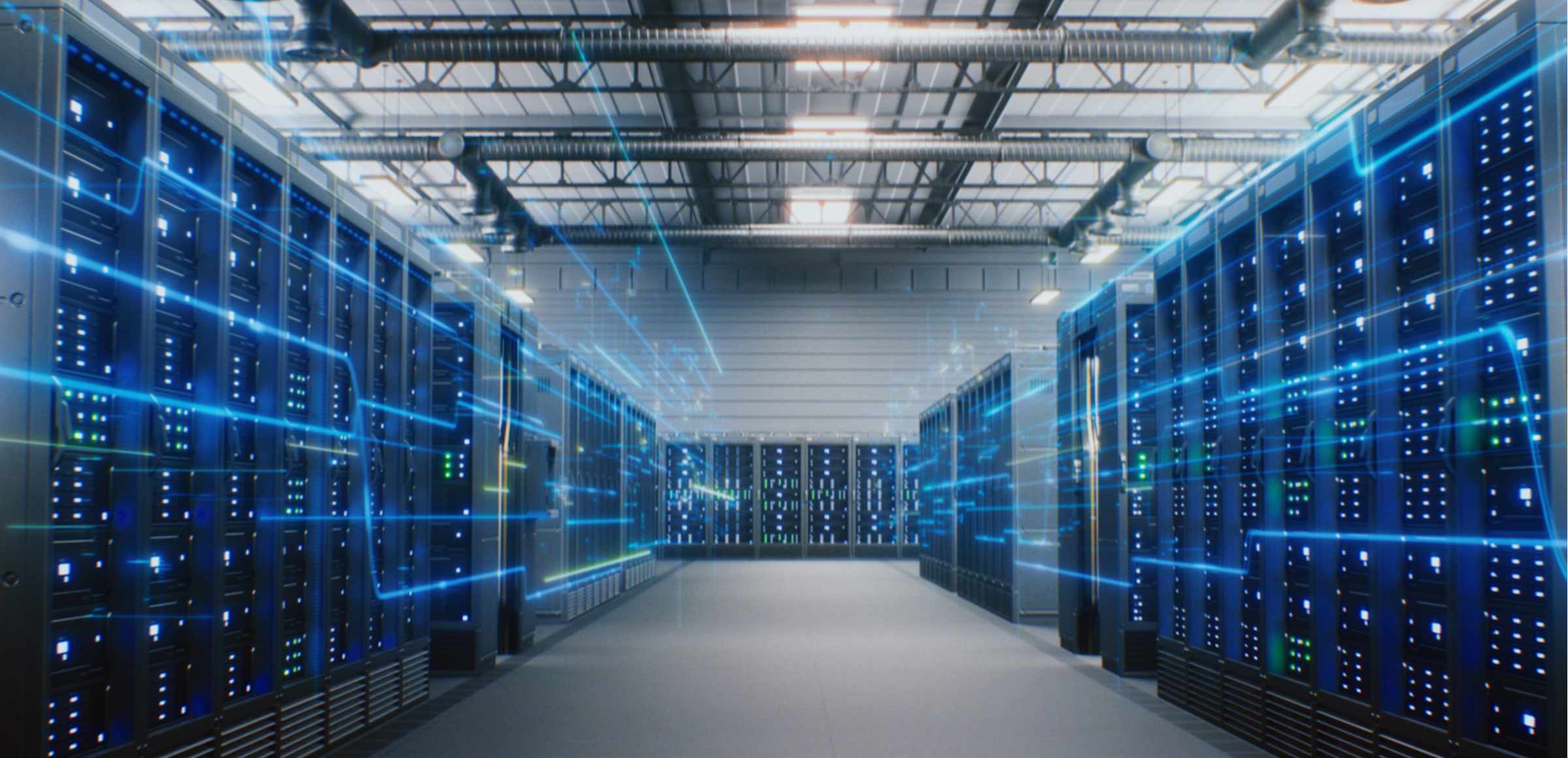
The fourth piece is data centres: massive computing factories filled with GPUs, servers, fibre optics, electrical systems, and cooling. These physical infrastructures consume energy, water, land, and connectivity. They are concentrated in a few countries, and Spain has a clear opportunity here: space, renewables, submarine cable connectivity, and membership within the European legal framework.
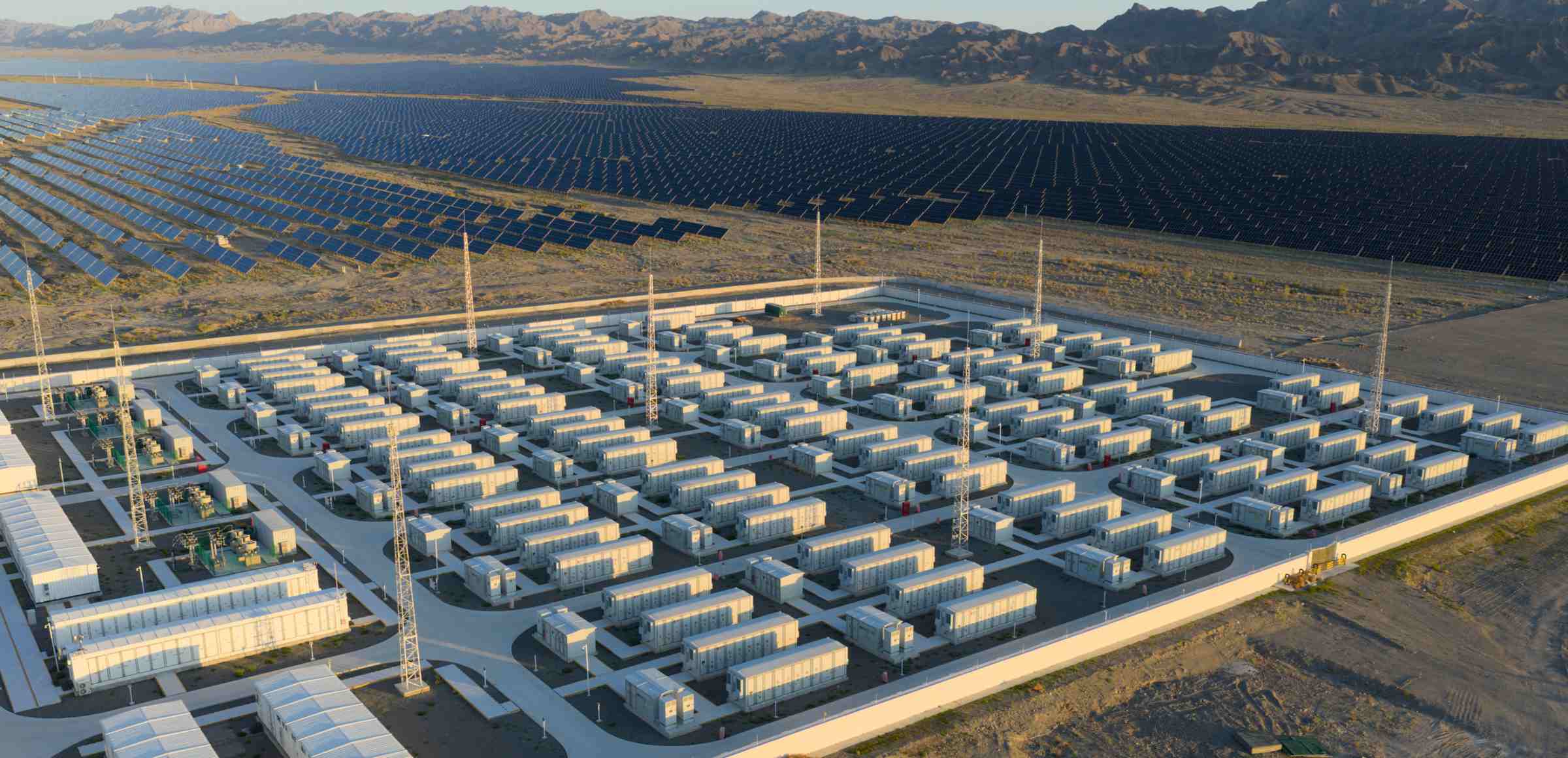
And the fifth piece is energy. Without energy, there is no AI. The International Energy Agency projects that the electricity needed to power data centres will double by 2030. This turns electricity into a top-tier geopolitical variable. Countries capable of offering abundant, affordable, stable, and clean energy will attract data centres, computing power, and digital sovereignty.

The lesson is clear: the energy transition and the transition to the AI era are two sides of the same coin. There will be no artificial intelligence without clean, efficient, and secure energy to support it.
Being digital optimists implies being conscious of and responsible for our leading role in building this new era.


