



Ecological Transition
The value it brings to the electricity system and its many functions are the main launchpads for BESS storage. However, there is still work to be done: developing the Capacity Mechanism and, above all, overhauling taxation are the next challenges that the government and the sector must tackle immediately.
By Luis Marquina
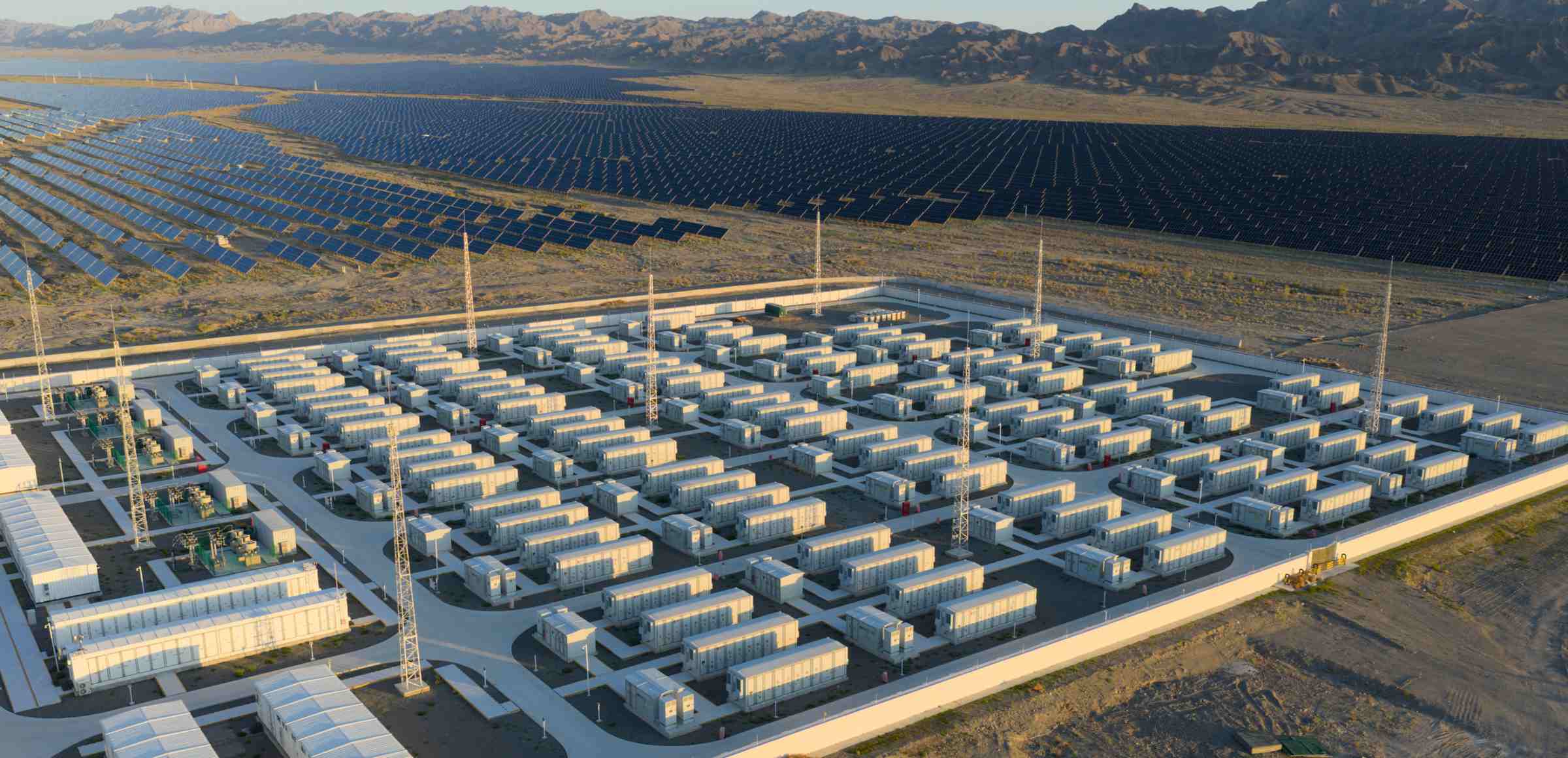
Battery Energy Storage Systems (BESS) are undergoing a process of constant maturation. Developments are gradually progressing, not without issues, and this year more than 500 MW will be installed, with more than 5 GW expected to be installed over the next four years.
The recent approval of the Capacity Mechanism for the Spanish electricity market, endowed with €9,000 million over ten years, is great news that will strengthen the large-scale deployment of BESS technologies for several reasons:
Firstly, although this mechanism is designed to provide robustness and security of supply to the electricity system rather than specifically promote storage, the fact that BESS systems can benefit from a stable revenue base for many years based on installed capacity (especially stand-alone systems) will enable better project financing, a key piece of the puzzle that is sometimes overlooked (storage projects are infrastructure projects that require financing, even if with lower leverage than is typical in renewable energy deployment).
Secondly, BESS system bids will be highly competitive if ERDF and PERTE subsidies received for the submitted projects are internalised in these bids, although the de-rating factor ultimately granted to storage by the system operator will also be decisive.
However, if flexibility is going to be just as relevant as generation itself in our energy mix, in a new scenario where storage and demand-side management are set to become the backbone of the new energy model, this will not be guaranteed unless one of the critical issues is addressed consciously and carefully: taxation.
The persistent shadow of the IVPEE (Tax on the Value of Electricity Generation), which taxes revenues from mere electricity production (not profits, but gross revenue!), continues to hinder the development of BESS (and also pumped hydro storage) and represents a burden that AEPIBAL is actively challenging with solid and responsible arguments, which can be summarised in a very simple rationale: the mere incorporation of previously stored energy, without any generation taking place, does not constitute a taxable event. In other words, the activity of electricity storage is structurally different from electricity generation because generation consists of converting a primary energy source (solar, wind, hydro, thermal, etc.) into electrical energy that is fed into the system, whereas storage consists of capturing electrical energy already existing in the system — energy that has already been taxed or was liable for the IVPEE at the time of its generation — converting it into another form of energy for temporary storage and subsequently reinjecting it into the grid. In this sense, applying this tax burden to storage amounts to clear double taxation on the same electricity. And we are talking about a 7% tax burden… This is not the right path.
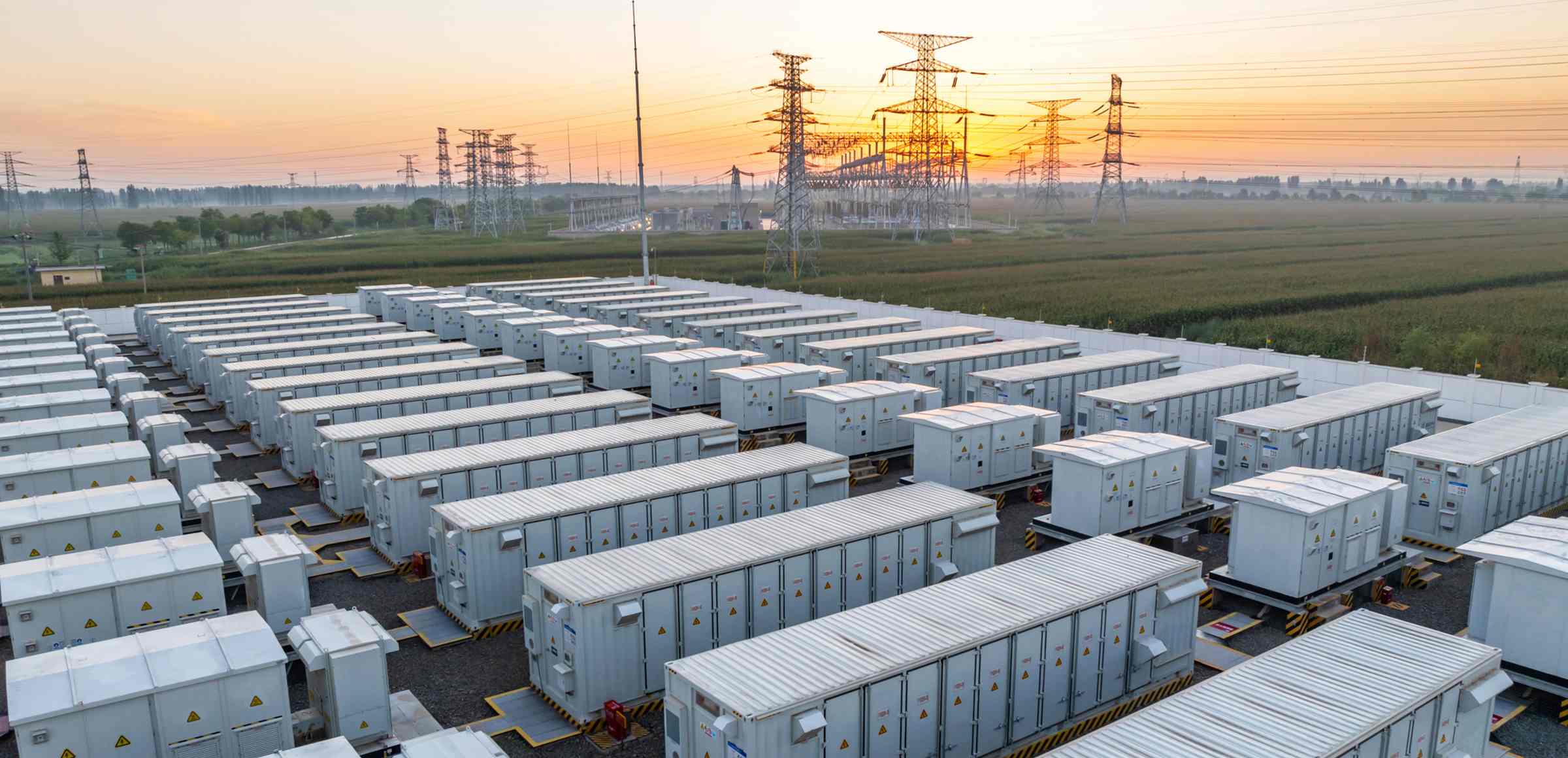
Even so, despite this and other regulatory aspects that still need to be defined, the deployment of BESS will be highly significant because it provides multiple functionalities, all of them value-generating:
It brings value to the electricity system as a whole, with large stand-alone and hybrid BESS plants connected to the grid, making an increasingly renewable (and therefore non-dispatchable) generation fleet much more manageable;
It brings value to existing and under-construction photovoltaic plants which, now hybridised with BESS, improve their financial performance and encourage developers to pursue new projects; it brings value to the commercial, industrial, and residential sectors, which, with or without self-consumption, have a new tool at their disposal to reduce short-term energy costs and generate additional revenue through energy management in the long term;
It brings value to the growth of electric vehicles, by increasing charging capacity at grid connection points, whether in rural or urban areas;
It brings value to the European industrial ecosystem itself, with the real possibility of creating a local industry in which a mix of European and Asian products manufactured in the EU, combined with high-quality, local, and accessible customer service, can help consolidate a high value-added economic structure with strong future prospects.


