


Sustainable mobility
Experience innovation, sustainability, and the thrill of the electric vehicle world like never before. That’s what #eCarrusel2025 delivered —a challenge in which we covered 2,000 km aboard six electric vehicles, connecting Spain through ultrafast charging. From Barcelona to Madrid, passing through Zaragoza, Valencia, and Lleida, every kilometre of this journey was a lesson in clean mobility and collaboration among electric-mobility enthusiasts who proved that travelling electric in Spain is easy.
By Ferran Menescal
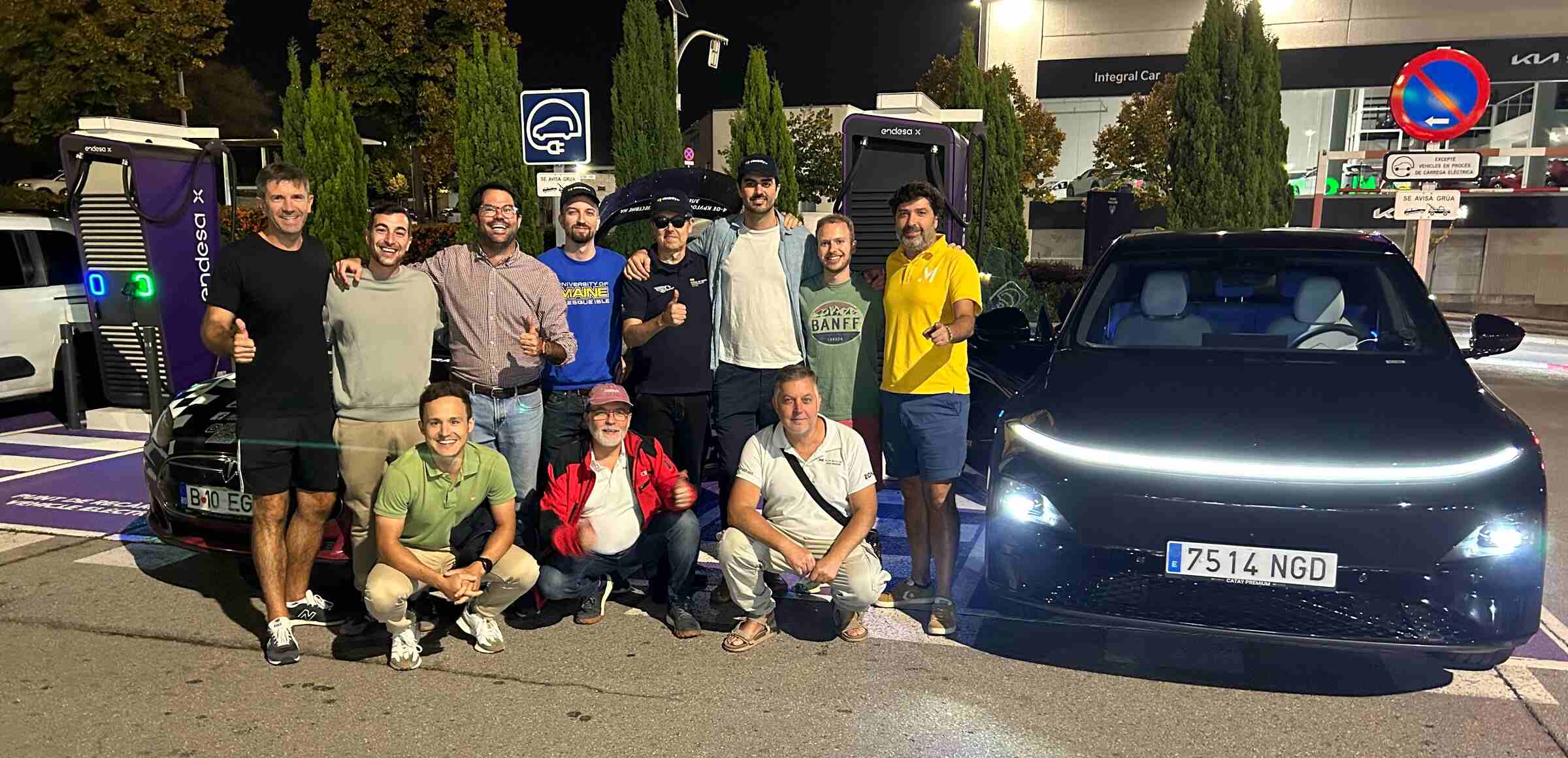
From the moment #eCarrusel2025 began, I knew this trip would be unlike any other. As part of the event’s organising team and as an electric-mobility communicator, my goal from day one was to combine passion, technology, and human experiences. With this, I aimed to show how electric mobility transforms not only transport but also the way we relate to the world and to ourselves.
The first edition of this electric-mobility challenge kicked off on Friday, 3 October. All participating cars —six different electric vehicle models— had to start at the same time (Friday at 20:30) from different locations across Spain and complete the same 2,000-km route set by the organisers. The twist? They had to do it in under 24 hours. We estimated that driving the route required about 19 hours, leaving a window of nearly 5 hours, maximum, for charging and still finishing on time. Anyone who returned to their starting point after 20:30 on Saturday, 4 October, was disqualified.
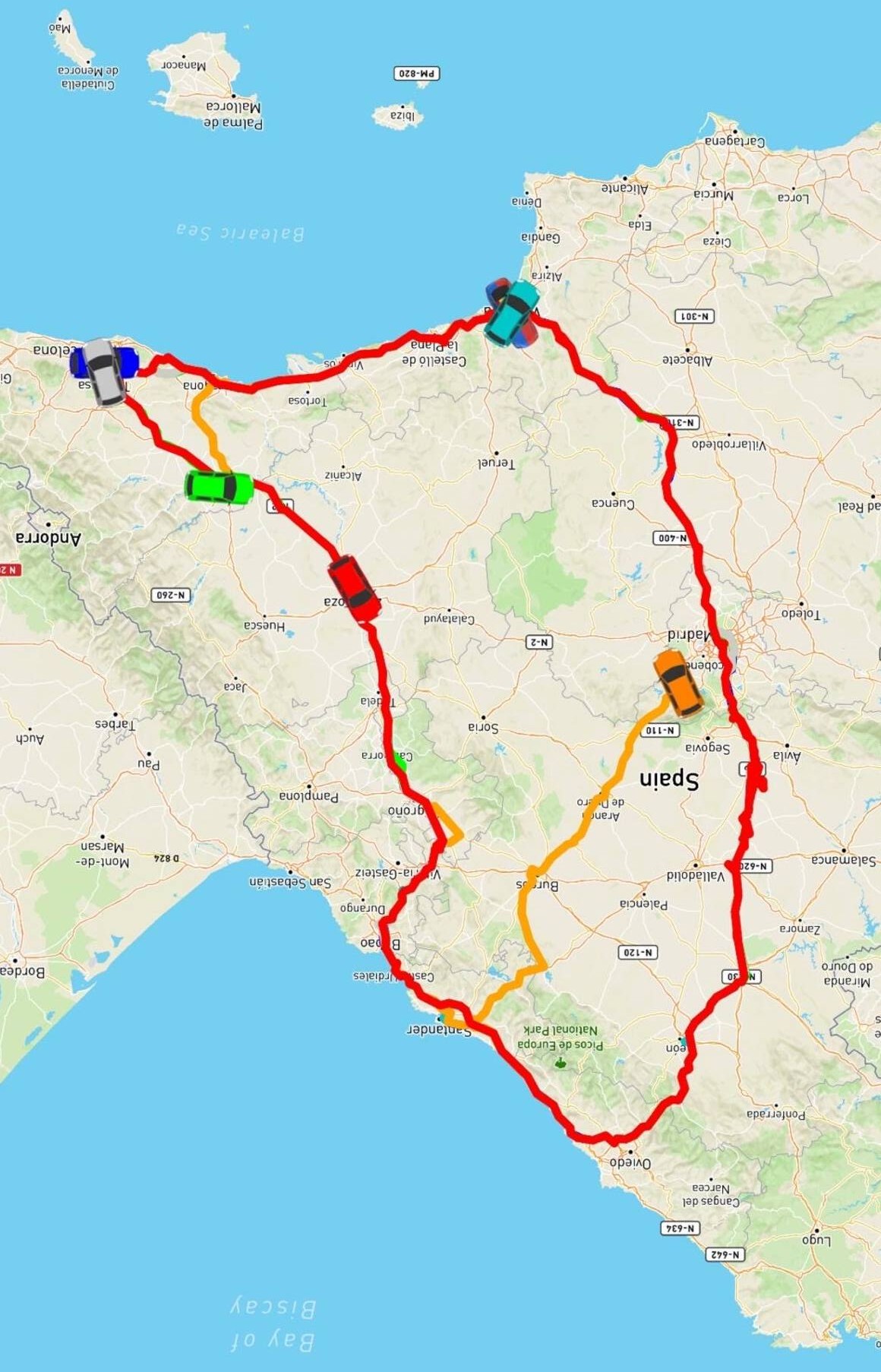
We established five starting points in different provinces, each located at an ultrafast charging hub:
To keep things simple, there were only three rules:
Everything else —choice of EV, charging points, and strategy— was up to the participants, as long as they reached the finish first!
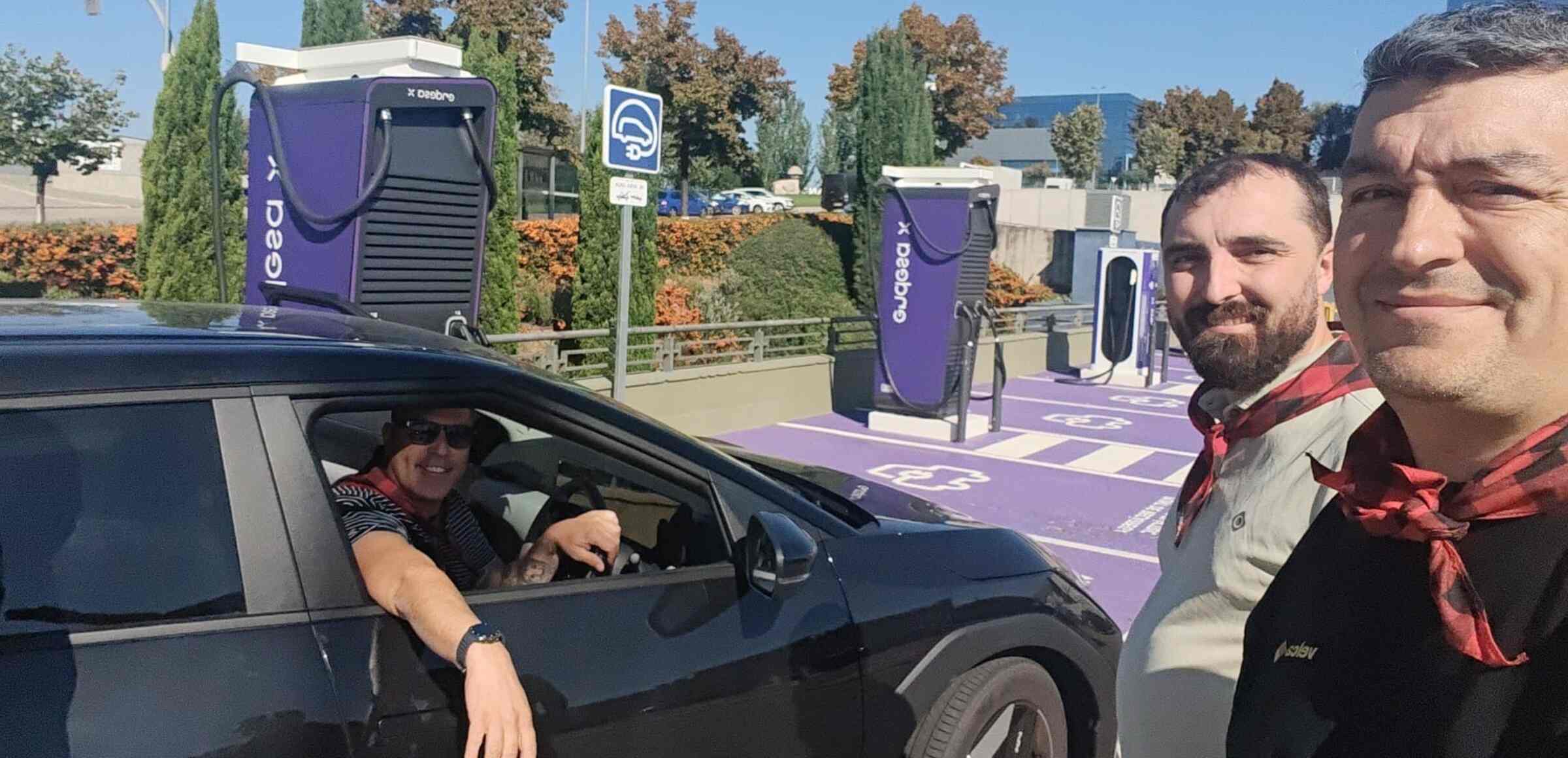
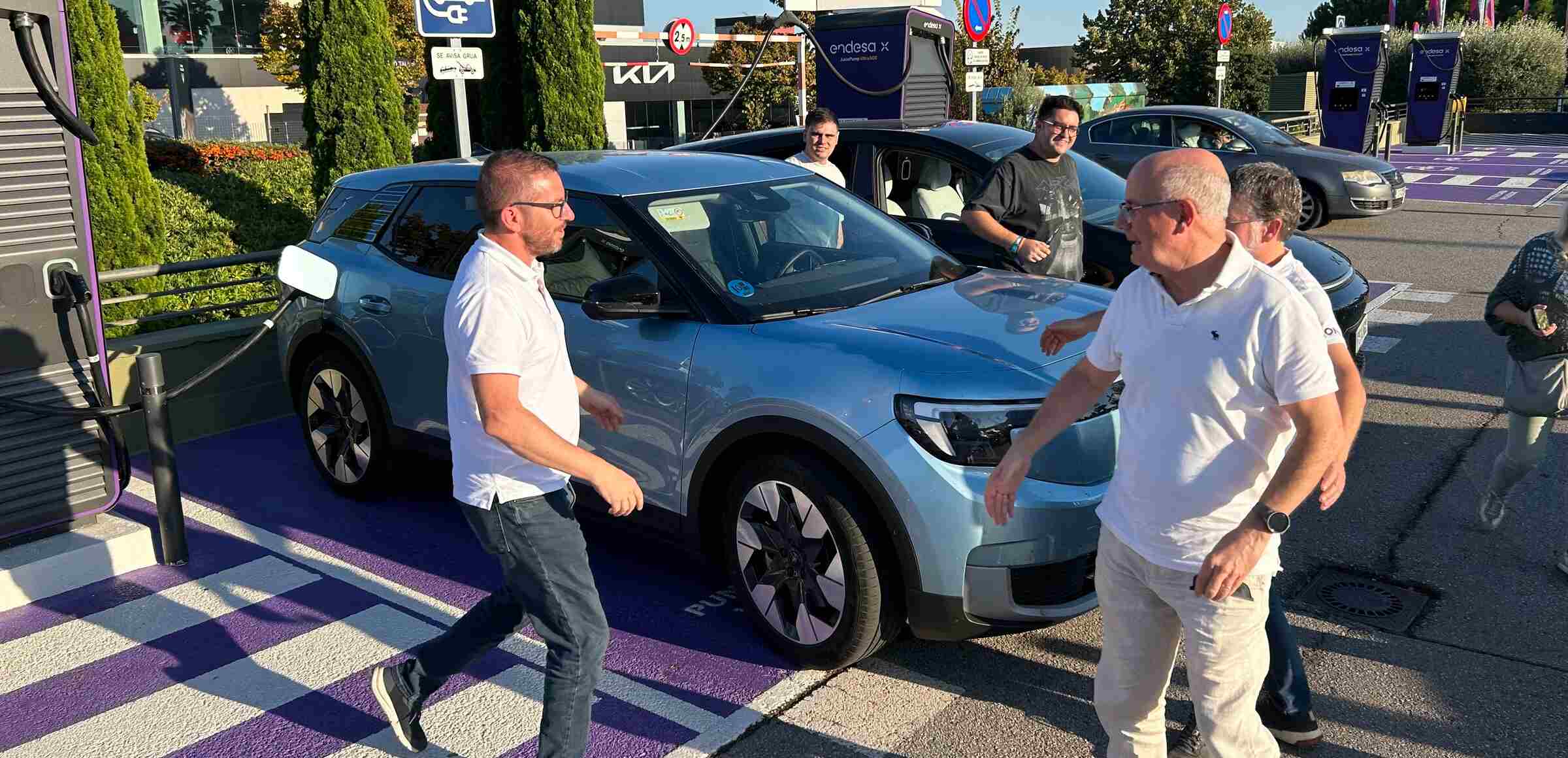
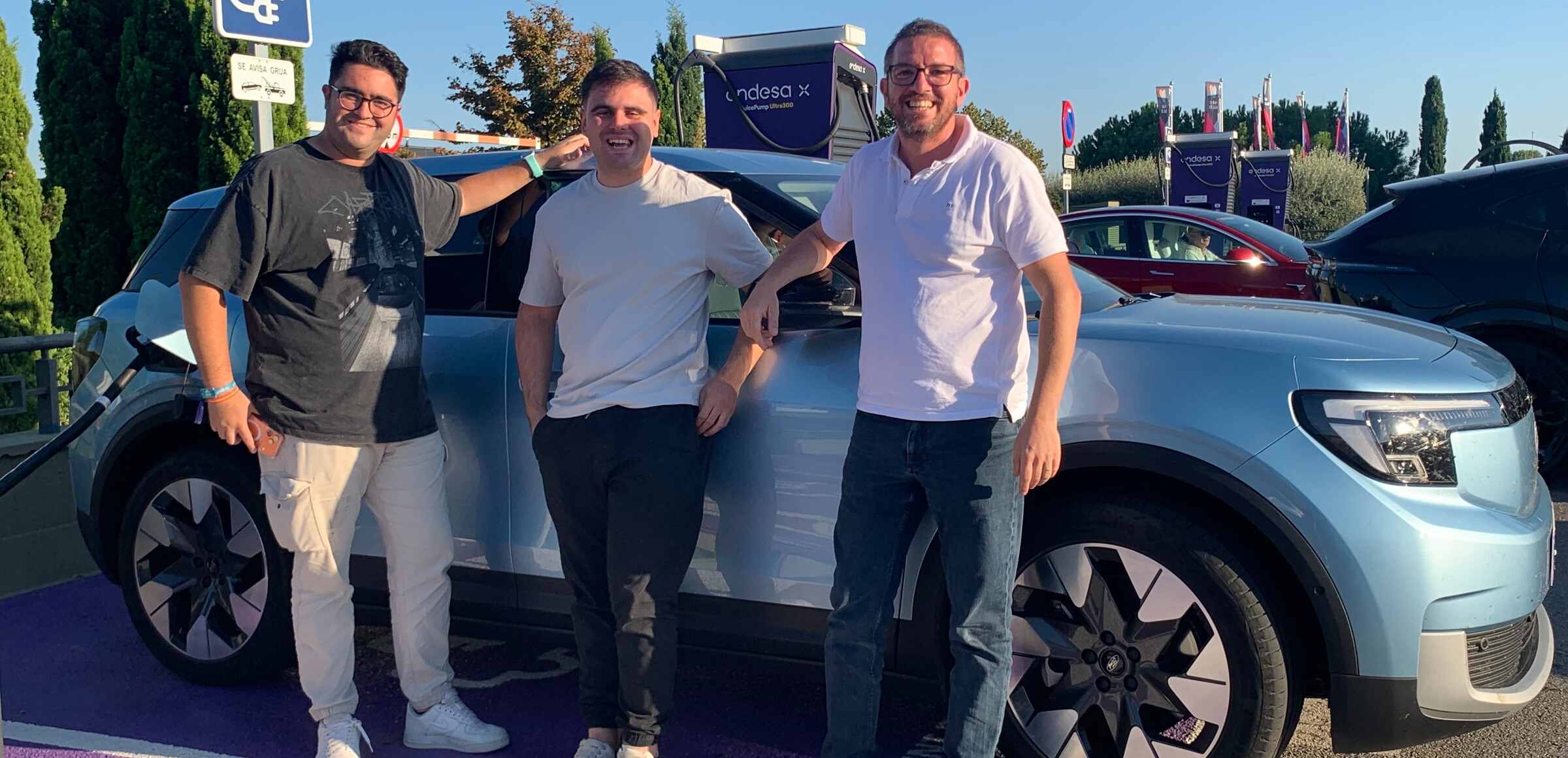
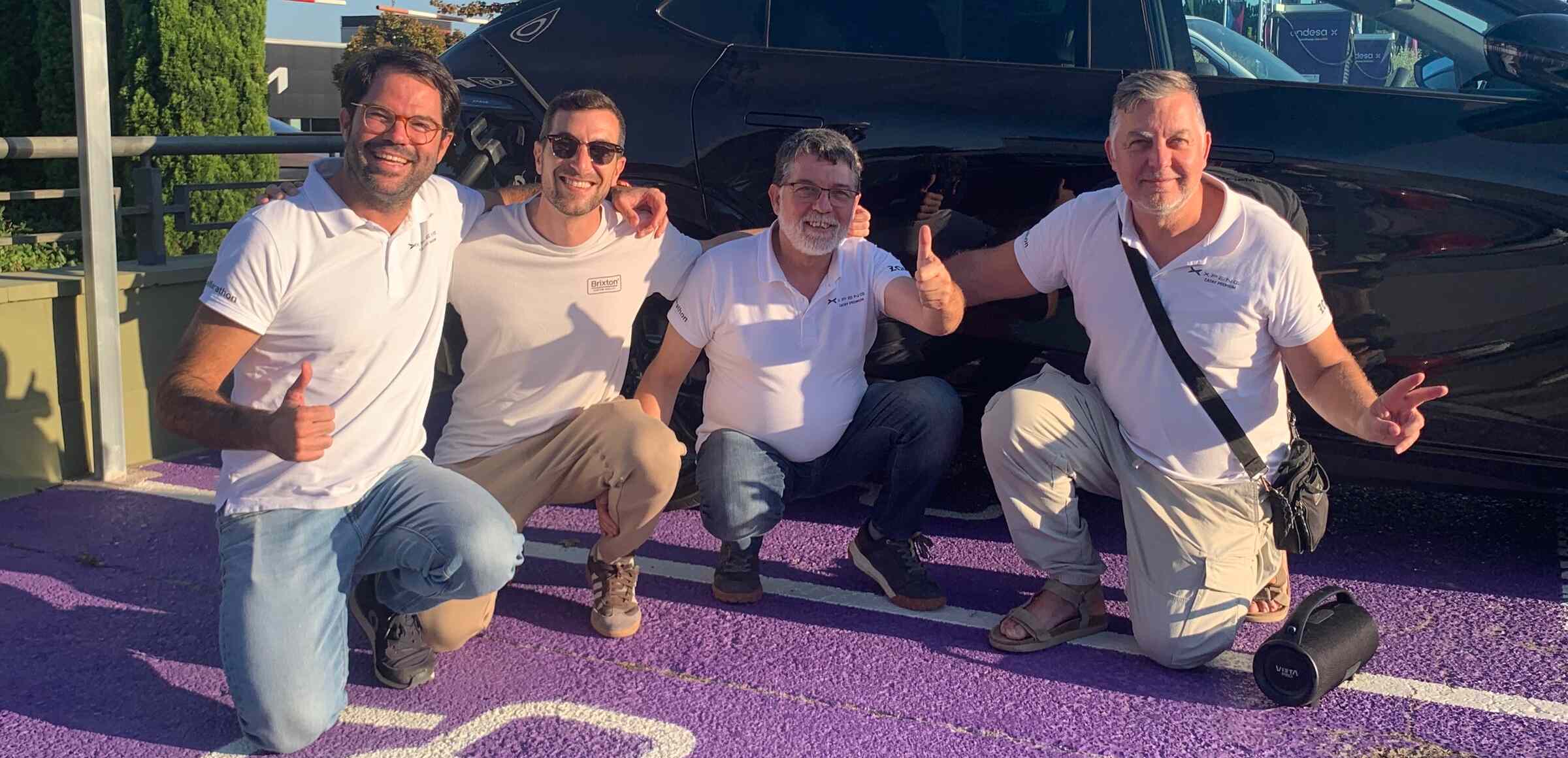
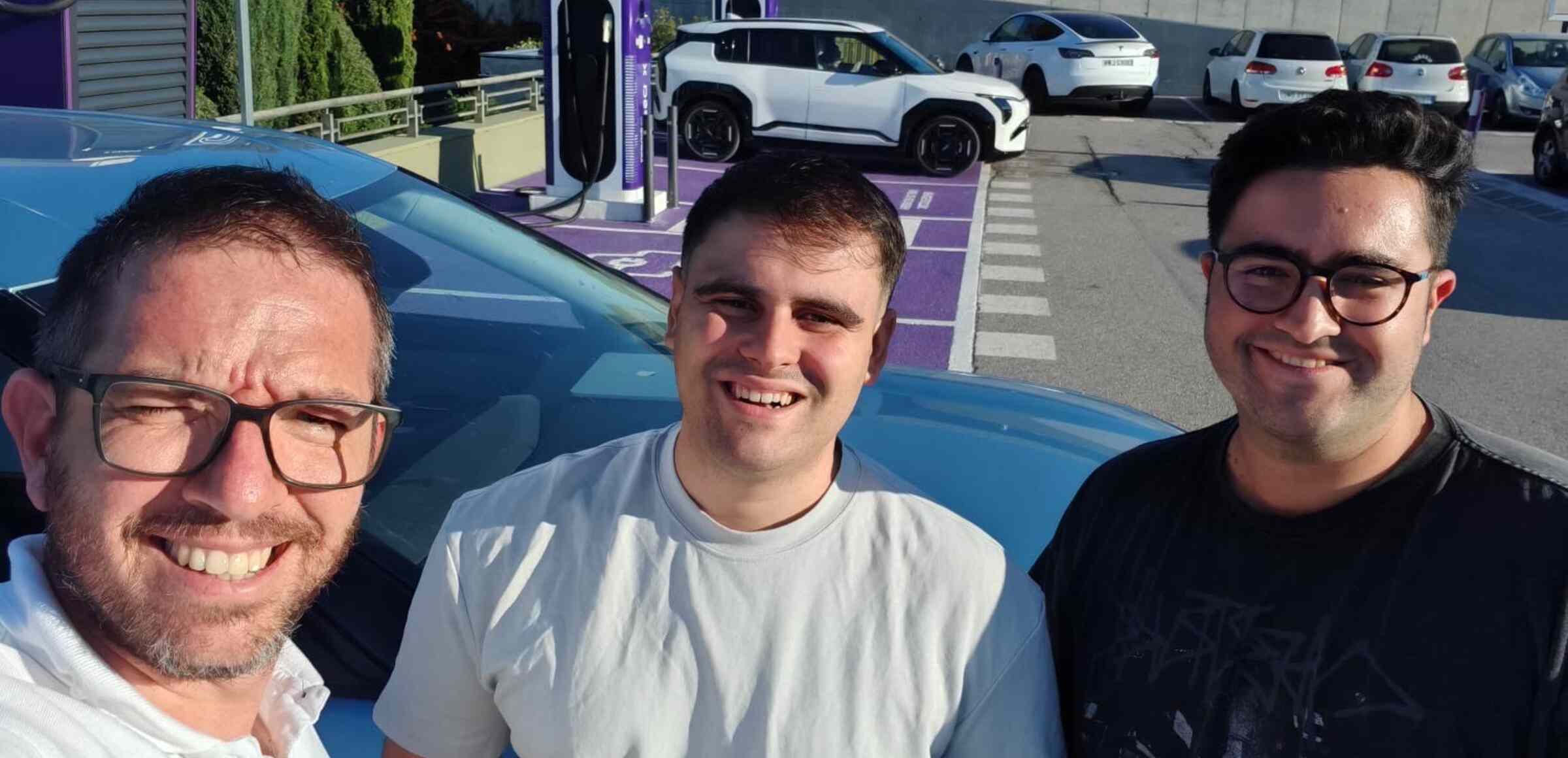
Our journey began in Barcelona, a vibrant city that embraces innovation. There, I witnessed how charging infrastructure and environmental awareness are already part of everyday life for many locals. We met in Terrassa to begin our adventure at Parc Vallès, where Endesa operates one of the most powerful charging hubs in the country. Climbing into the XPeng G6 and feeling that silent acceleration as we cruised through the city reminded me that electric mobility isn’t just efficient —it’s exhilarating. Beside me, the Tesla Model S showcased its power and long range. Meanwhile, the other vehicles —Cupra Tavascan, Ford Explorer, Tesla Model 3, and Kia EV4— highlighted their unique features and adaptability to different driving styles.
The charging experience was excellent thanks to Electromaps (sponsor of our vehicle along with Catay Premium). Using the app, it was incredibly easy to find charging points via Google Maps, initiate and pay for charging, track the session, and —best of all— read reviews and view photos from other drivers to confirm whether a stop was ideal. One app for everything: charging at Endesa, Zunder, Wenea, Iberdrola BP Pulse, Ionity…
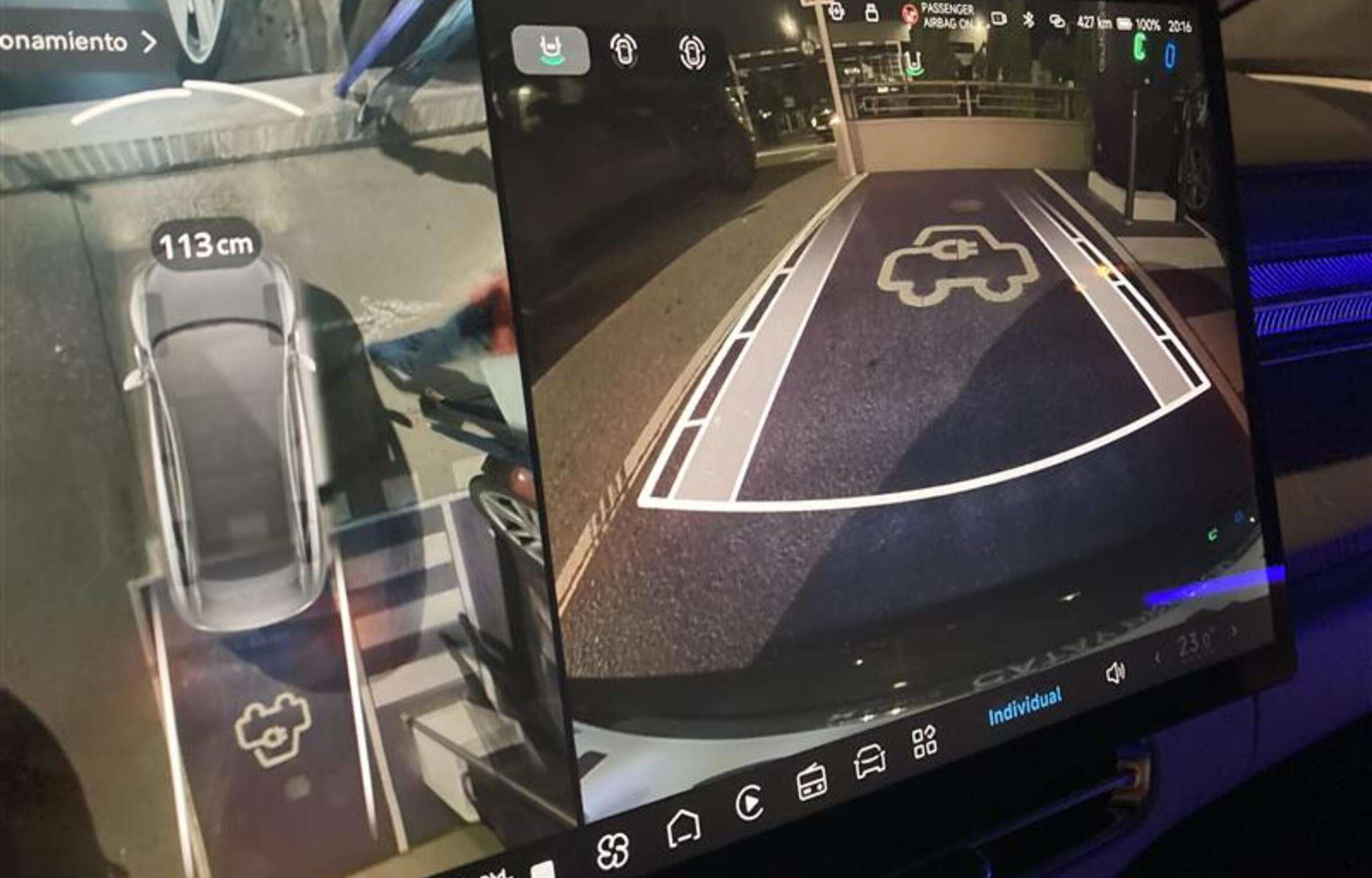
What made #eCarrusel2025 truly special wasn’t just the kilometres travelled or the cars we drove —it was the shared passion for electric mobility among all the teams. Each vehicle, each city, and each participant contributed to a mosaic of experiences capable of inspiring anyone curious about the EV world. As an organiser, I walk away convinced that electric vehicles are not only changing the way we drive but also the way we live and connect with one another.
Charging the XPeng G6 was remarkable: this model can charge at up to 451 kW in DC. No charger reached that full power, but at 300-kW stations we were able to charge nearly the entire battery in under 20 minutes.
Ultimately, this trip was a reminder that electric mobility is more than technology —it’s a commitment, a community, and a shared adventure. I hope #eCarrusel2025 continues to be a benchmark —not only for EV enthusiasts, but for anyone interested in a cleaner, more efficient, and more inspiring future.
And here’s a sneak peek: we’re already gearing up for the next edition, #eCarrusel2026, building on everything we learned this year. Stay tuned —it’s going to be incredible!


