


If you prefer to always view the website in English, please click here.
Energy savers: why they don't work and what actually reduces your bill
What if saving on your electricity bill were as simple as plugging a small device into the wall? That is the promise used to advertise so-called energy savers, also known as power savers or saver boxes. According to their manufacturers, you just need to plug them into a socket to start reducing the electricity consumption of your entire home.
The idea is tempting, especially at a time when we are all looking for ways to save money at home. However, these devices do not make a home consume less power, nor do they lower your electricity bill. In this article, we debunk some of the most common myths about these gadgets, explain the truth behind concepts like reactive energy, and outline which measures can genuinely help you save electricity.
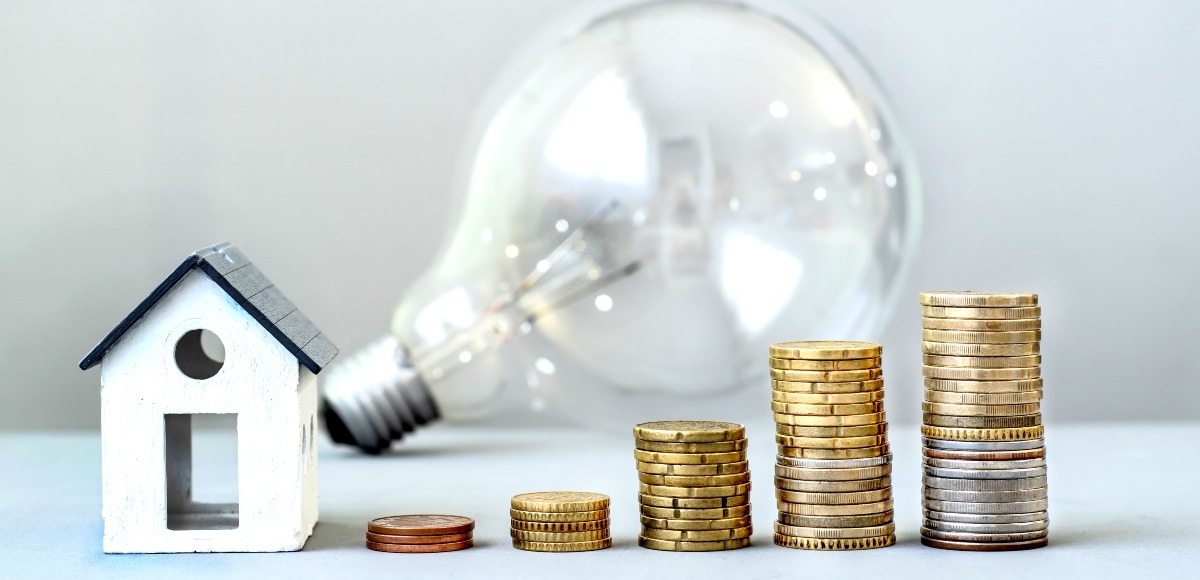
What are plug-in energy savers?
They are easy to spot in online stores, adverts, or on social media. Although their names or designs may vary, almost all of them push the same message: 'Save electricity just by plugging in this device.'
You will find them marketed as energy savers, power savers, electricity saving boxes, or saver boxes, but they all promise something similar: to improve the efficiency of your electrical installation so you consume less, without the need for any major works, replacing appliances, or changing your habits.
It is not hard to see why they generate so much interest. They are small, cheap, require no installation, and promise a simple solution to a concern shared by almost everyone: how to pay less for electricity.
The question is whether that promise can actually be fulfilled in a home.
The short answer: no, they do not reduce your electricity bill
Let's answer the question bluntly: an energy saver does not reduce a home's electricity consumption, nor does it lower your electricity bill.
The reason is simple. These devices do not change the way your appliances work, nor do they make them require less electricity to do their job. If your consumption stays the same, so will your bill.
And therein lies the key. In a home, most of what you pay depends on the energy consumed, measured in kilowatt-hours (kWh). If those kWh do not decrease, neither will your bill.
So why do many of these devices claim they really work? The answer lies in concepts such as reactive energy or voltage spikes, which often feature in their advertising.
Why they promise savings: reactive energy, spikes, and 'residual energy'
The advertising for these devices tends to lean on real electrical concepts. It is common to see claims that they eliminate reactive energy, stabilise voltage, reduce power spikes, or harness supposed 'residual energy'.
Although these terms have a technical basis, they are presented as if they worked exactly the same way in any electrical installation.
And that is where the confusion lies. What might be useful in certain types of facilities does not necessarily translate into savings within a home.
Why this explanation doesn't apply to a home
The difference lies in the type of installation.
In factories, workshops, or buildings with high-power machinery, reactive energy can indeed affect how equipment runs. In these cases, specific systems known as capacitor banks are used to help optimise the electrical installation.
At home, it is a very different story. Household appliances generate a very small amount of reactive energy, and furthermore, domestic consumers are not charged for this energy on their bills.
This means that even if a device managed to offset a small fraction of that energy, the financial saving would be practically negligible.
Ultimately, these gadgets attempt to apply a solution designed for facilities with completely different needs to a domestic setting.
Active energy, reactive energy, and power: explained without the jargon
You don't need to be an electrical expert to understand the difference between these concepts.
Think of the fridge in your kitchen. To keep your food cold, it requires a certain amount of electricity. This is active energy: the energy that actually does the work and appears on your bill as consumption in kWh.
Reactive energy, on the other hand, is a by-product of how certain electrical equipment operates, especially appliances with motors. In a home, it has very little relevance and does not incur a cost for domestic consumers.
Contracted power is something else entirely. It indicates how much electricity you can use at the same time. If you plug in several appliances at once, you will need sufficient power to keep them running properly, but that does not mean they consume more or less energy.
That is why a capacitor or a so-called energy saver cannot reduce a home's actual consumption.
Signs to help you spot a fake energy saver
Before buying any device that promises to save electricity, it is worth taking a moment to analyse how it justifies those supposed savings.
Be suspicious if it claims to reduce your bill by a fixed percentage regardless of the home, if it promises immediate results just by plugging it in, or if it uses vague expressions like 'residual energy', 'wasted electricity', or 'smart technology' without clearly explaining how it achieves that result.
It is also advisable to be cautious when all the information relies on flashy testimonials or spectacular figures without providing any verifiable technical data.
There is a very simple question that can help clear up any doubts: if a device promises to make all your appliances consume less without changing how they work, it is highly likely that this promise is fake.
Which devices can actually help you save electricity
The good news is that there are solutions out there that can help you reduce your electricity consumption. Unlike so-called energy savers, they don't promise miracles: they simply allow you to use electricity more efficiently or avoid unnecessary consumption.
LED bulbs, for instance, offer the same level of lighting while consuming far less energy than old incandescent bulbs, and they also have a much longer lifespan.
Smart plugs and extension leads with switches help prevent unnecessary consumption, particularly regarding appliances left on standby. And if you are looking for greater control over your home's consumption, smart home systems allow you to automate lighting, climate control, or certain appliances so they are only used when needed.
If you want to discover more ways to improve your home's efficiency, you can read our article on how to save energy at home, where you will find practical tips to reduce consumption without sacrificing comfort.
How to truly save on your electricity bill
When we think about saving electricity, we usually imagine sweeping changes, but the difference often lies in small, day-to-day habits.
You don't need to overhaul your entire house to start seeing results. Making the most of natural light, avoiding standby consumption, using ECO programmes on appliances, and maintaining a sensible temperature on your heating and air conditioning are simple gestures that, over time, can make a difference on your bill.
It is also highly recommended to know which appliances consume the most electricity in your home. Identifying where your energy expenditure is concentrated is the first step towards making decisions that genuinely help you save.
At the end of the day, the cheapest energy will always be the energy you don't consume.
Review your power, your consumption, and your tariff before buying miracle gadgets
If you feel like you are paying too much for electricity, before investing in a supposed energy saver, it is worth checking a few things that actually can make a difference.
Start by checking whether your contracted power truly matches your home's needs. Having more power than you need can result in you overpaying every month. At Endesa, we can help you review your contracted power so it better suits your consumption.
Next, analyse your consumption habits. Knowing when you use the most electricity and which appliances have the biggest impact will help you spot opportunities to save.
Finally, check if your electricity tariff is still the best fit for the way you consume energy. Choosing a tariff adapted to your habits can help you optimise your energy costs much more effectively than any device promising miraculous results.
We are all looking for ways to pay less for electricity, and it is only logical that simple solutions like an energy saver drum up interest. However, when it comes to saving electricity, there are no shortcuts.
True savings do not start at a plug socket; they start with understanding how you consume energy, improving your home's efficiency, and having a tariff that suits your needs. Informed choices will always save you more than any miracle promise.
Take a minute to find the product that best suits you:
{{firstStep.title}}
Take a minute to find the product that best suits you:
{{title}}
{{content.phone.title}}
{{content.phone.text}}
{{content.phone.phoneText}}
{{content.form.title}}
{{content.form.text}}
{{content.form.success.title}}
You don't need to adapt to Endesa's tariffs because they adapt to you. If you go to our catalogue you can compare the different tariffs for yourself. Or if you prefer, you can answer a few questions and we will take care of comparing all the different electricity and gas tariffs and then make a customised recommendation.
Take a minute to find the product that best suits you:
{{title}}
{{content.phone.title}}
{{content.phone.text}}
{{content.phone.phoneText}}
{{content.form.title}}
{{content.form.text}}
{{content.form.success.title}}
You don't need to adapt to Endesa's tariffs because they adapt to you. If you go to our catalogue you can compare the different tariffs for yourself. Or if you prefer, you can answer a few questions and we will take care of comparing all the different electricity and gas tariffs and then make a customised recommendation.
Comparison of Electricity and Gas Tariffs
You don't need to adapt to Endesa's tariffs because they adapt to you. If you go to our catalogue you can compare the different tariffs for yourself. Or if you prefer, you can answer a few questions and we will take care of comparing all the different electricity and gas tariffs and then make a customised recommendation.
Do you want to see all our offers?
Spend a minute to find the product which best adapts to you:
{{firstStep.title}}
Spend a minute to find the product which best adapts to you:
{{title}}
{{content.phone.title}}
{{content.phone.text}}
{{content.phone.phoneText}}
{{content.form.title}}
{{content.form.text}}
{{content.form.success.title}}
Spend a minute to find the product which best adapts to you:
{{title}}
{{content.phone.title}}
{{content.phone.text}}
{{content.phone.phoneText}}
{{content.form.title}}
{{content.form.text}}