


If you prefer to always view the website in English, please click here.
{{content.phone.title}}
{{content.phone.text}}
{{content.phone.phoneText}}
{{content.form.title}}
{{content.form.text}}
{{content.form.success.title}}
Differences in consumption between electric, hybrid and petrol cars in winter
The winter season brings with it an increase in energy consumption for electric, hybrid and petrol vehicles, for physical reasons: denser fluids, colder air and auxiliary systems. However, the impact varies depending on the technology. Understanding how winter affects each type of engine is key to dealing with it knowledgeably, so you can optimise costs and range.
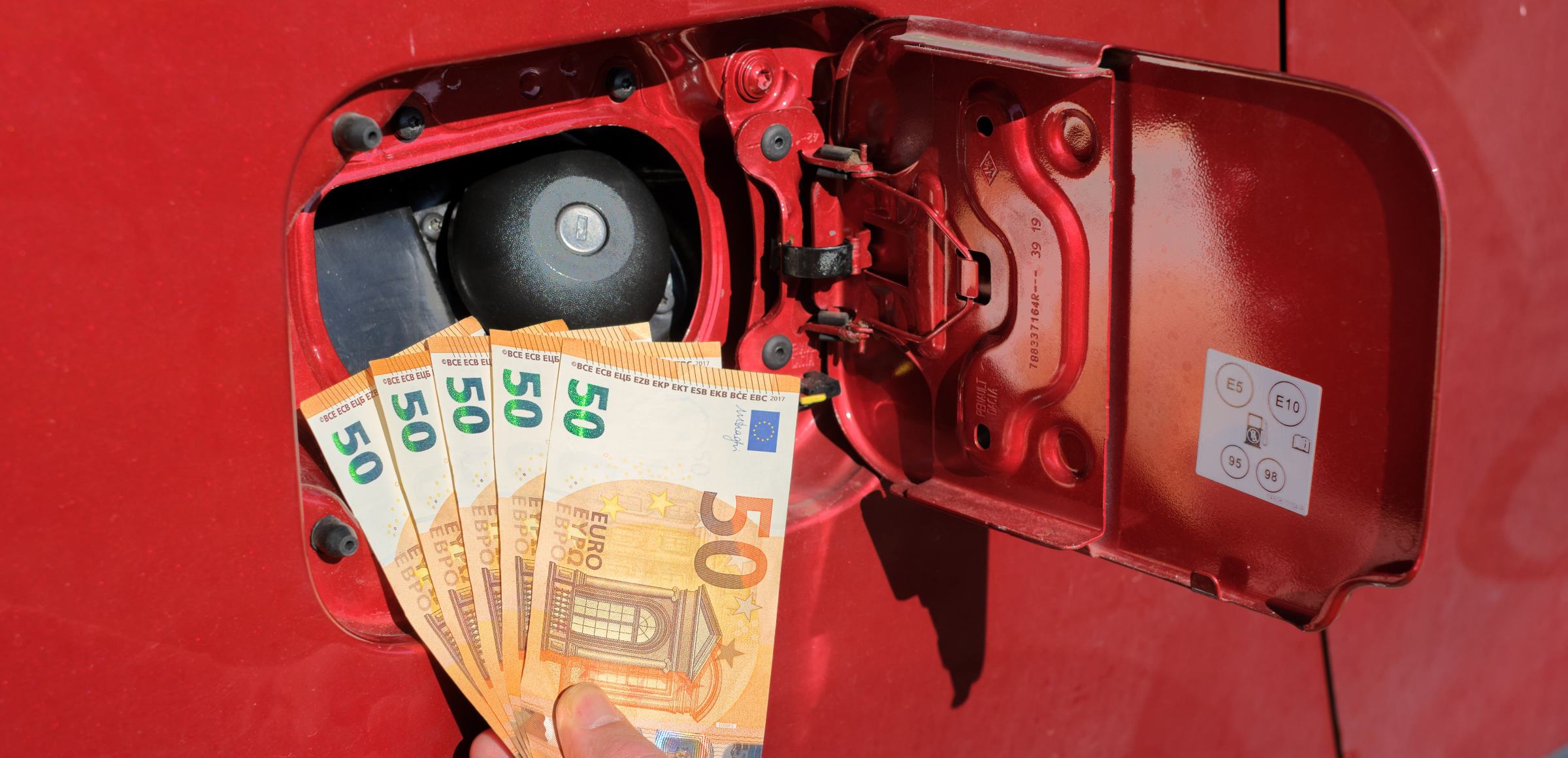
Electric cars suffer the double penalty of cold weather on lithium chemistry and intensive use of heating, with a real reduction in range of 10 to 30% in moderately cold climates, and possibly more in extreme cold. Hybrids place greater demands on the combustion engine, and petrol engines consume more due to cold starts and higher air density. Even so, the cost per kilometre of an electric vehicle is usually the most cost-effective if you take advantage of off-peak hours and sign up for the right tariff. We explain the main differences in consumption in winter between these mobility technologies, and how you can get the most out of each type of car.
Why all cars consume more in winter
Low temperatures affect the performance of all vehicles for different reasons:
- The air is denser: cold air increases aerodynamic drag and tyre friction, which requires more energy to maintain speed, thus increasing fuel consumption on the road. Cold, dry winter air is denser than summer air, which increases drag and fuel consumption.
- Fluids are more viscous: engines and mechanical systems take longer to reach optimum operating temperature because the oil becomes more viscous, which increases consumption. There is greater internal friction while the engine reaches operating temperature, so short journeys suffer more.
- Auxiliary systems are in greater demand: heating, lights, windscreen wipers and other auxiliary systems consume more additional energy. In electric cars, this comes from the battery.
- Tyre pressure: winter also affects the rolling performance and tyres of cars, because the pressure is lower and, in the case of winter tyres, they have higher rolling resistance.
How cold weather affects the consumption of an electric car
Loss of battery efficiency (lithium chemistry)
The lithium-ion batteries used in electric vehicles perform very well in temperate ranges, but tend to lose energy efficiency when the temperature drops. In cold weather, electrochemical reactions slow down, usable voltage drops, and the system must thermally manage the pack, reducing the effective capacity of the battery and penalising range and charging times.
Estimated range reduction of 15% to 30%
In real-world conditions, consumption can rise from 15 kWh/100 km to over 20 kWh/100 km, and range can be reduced by 15% to 30%, depending on the model, conditions, and use of air conditioning. In extreme cold (prolonged sub-zero temperatures), there could be a loss of range of up to 40%, as pre-conditioning is critical.
Intensive use of heating (direct impact on kWh)
An electric car directly uses battery power to activate the heating and preheat the battery pack, which requires several kW of continuous demand. This can account for a significant portion of total consumption because, unlike a combustion engine, there is no residual heat that can be utilised.
Preconditioning as a solution
Preconditioning the car interior and battery while the vehicle is connected to the grid reduces consumption while driving and improves pack performance from the first kilometre, as energy from the grid is used instead of the vehicle's battery.
How winter affects the consumption of a hybrid car
Hybrid vehicles combine a combustion engine (usually petrol) and an electric motor, with a battery that is less powerful than that of an electric car. When winter arrives, the cold tends to affect them in several ways:
The combustion engine works longer
In winter, the combustion engine starts earlier than in other seasons and remains active for longer, as the battery does not reach optimal temperatures quickly, reducing the effective time in electric mode and increasing petrol consumption.
Higher consumption in the city than in summer
Thermal management and cold starts have a greater impact on urban and short journeys. Efficiency may decrease because the electrical system contributes less and the combustion engine is used more intensively, increasing fuel consumption. Hybrid cars can see fuel consumption drop by 20 to 40% in the city compared to mild conditions, especially on short journeys.
Lower regenerative charging capacity at low temperatures
Energy regeneration during braking is less efficient with cold batteries, as it is limited to prevent damage, reducing a contribution that, under normal conditions, helps to save energy.
Typical increases of 5% to 15%
Hybrids may show an increase in fuel consumption in winter of between 5% and 15% or more, depending on the model and the use of heating. In Iberian climates, without extreme cold, they tend to experience moderate increases in consumption in winter due to a combination of factors such as: more heating, less regeneration, auxiliary systems.
How cold weather affects a petrol car
In a car with an engine powered solely by petrol, the effects of cold weather are also noticeable:
Increased consumption during cold starts: richer mixture
When starting from cold, the engine mixes more fuel to compensate for the low temperature and takes longer to reach the ideal temperature, which increases initial consumption, especially on short journeys. Petrol vehicles could experience a drop in performance of 10 to 20% in the city, and up to 24 to 33% on very short journeys in very low temperatures.
Higher consumption due to indirect heating
Heating in petrol cars uses residual heat from the engine, but in winter it takes longer to warm up, which can mean 'colder' journeys and extra consumption. In addition, the use of electrical elements such as the rear window heater (a heating system that works through conductive lines arranged horizontally in the glass), fans and seats overloads the alternator, slightly increasing consumption.
Loss of efficiency due to air density
The denser air in winter increases resistance and, therefore, the energy consumption required to maintain speed, although the effect is not as significant as in electric vehicles.
Typical increases of 5% to 12%
Petrol-powered cars tend to show a more moderate increase in consumption in winter, around 5% to 12%, according to tests in cold climates. And the increase is usually greater in the city and on short journeys.
Comparison of actual fuel consumption in winter: electric vs. hybrid vs. petrol
| Vehicle type | Impact of cold weather on fuel consumption and range |
|---|---|
| Electric | Range reduced by 15 to 30%. Higher kWh/100 km consumption in winter, greater on short journeys and without pre-conditioning. |
| Hybrid | Fuel consumption increases moderately by 5 to 15%, with a greater impact in the city if the battery is cold and with less regeneration. |
| Petrol | Moderate increase in consumption, from 5 to 12%, due to friction, starting and air conditioning. Greater impact in the city, on short journeys and in the first few minutes, due to rich mixture and cold fluids. |
Cost per kilometre: Which car is cheaper in winter?
€/100 km electric vs. hybrid vs. petrol
In terms of energy, electric cars tend to have a lower cost per €/100 km, even in winter, thanks to the lower cost of kWh compared to €/litre of petrol, although the difference is reduced by higher energy consumption.
These figures and rates may vary depending on the electricity plan contracted and the price of fuel at the time. The PVPC and fuel prices change daily, so we recommend that you always check the rates and pump schedules to adjust the calculation to your specific case.
Impact of kWh price vs. €/litre
With adjusted electricity prices and off-peak/peak rates, the cost per kilometre remains competitive for electric vehicles compared to petrol and hybrid cars, especially if charging during off-peak hours.
Taking advantage of off-peak hours and weekends to charge your electric car will significantly reduce the cost of charging. This advantage is not available to fuel-powered cars, as the €/litre of petrol does not have time-of-use pricing at the pump.
How does the rate (off-peak/peak) affect electric cars?
Taking advantage of off-peak hours to recharge your vehicle can significantly reduce the cost of using an electric car in winter, offsetting higher consumption due to heating and lower battery efficiency.
So, a good option that will allow you to save money is to schedule charging during these periods and/or sign up for a time-of-use tariff, which will help maintain the advantage of electric cars in winter as well.
Advantages and disadvantages of each type of car in winter
- Electric car
Advantages: generally lower cost per kilometre (if recharged during off-peak hours), zero local emissions, immediate response and heat pump in many models.
Disadvantages: loss of range in cold weather, higher energy consumption for air conditioning, and slower charging with a cold battery if not pre-conditioned.
- Hybrid car
Advantages: less impact from the cold than electric vehicles in terms of total range, good balance between electrical and thermal efficiency, less dependence on public infrastructure.
Disadvantages: in winter, use of the heating system increases, consumption may increase and will depend on how it is used. Furthermore, if it is a plug-in hybrid vehicle that is not charged frequently, consumption may be similar to that of a petrol car.
- Petrol car
Advantages: less relative loss of range than electric cars, universal infrastructure and 'free' heating by using residual heat from the engine to heat the interior of the vehicle.
Disadvantages: clear penalty on cold starts, higher cost per kilometre, more sensitive to short journeys, and higher pollutant emissions.
How to reduce consumption in winter depending on your type of car
If you drive an electric car
Pre-condition the interior and battery while plugged in, use efficient heating (heat pump and direct heating elements) and avoid full air conditioning, plan routes avoiding sudden or abrupt acceleration and reaching high speeds; keep your tyre pressure up to date, adjust charging periods to off-peak hours and consider installing a charging point at home so you can leave every morning with a full battery. At Endesa, you will find the ideal solution:
If you drive a hybrid car
Maintain a moderate temperature inside the car, take advantage of energy regeneration whenever possible, get into the habit of charging frequently and making urban journeys to get more out of electric mode. Also, avoid cold and empty batteries, drive smoothly to maximise regeneration, and minimise unnecessary electrical use when starting up.
If you drive a petrol car
Avoid long periods of idling (engine running while the vehicle is in neutral or with the clutch depressed) to warm up the car. Start and drive gently for the first few minutes to reduce resistance and fuel consumption. In addition, combine trips to avoid multiple cold starts, take care of tyre pressure and maintenance, and avoid turning on unnecessary electrical accessories when starting the engine so as not to strain the battery.
In winter, all types of vehicles consume more energy due to low temperatures, excessive use of heating and greater air and component resistance. However, the penalty and the bill will depend greatly on how and when the energy is used.
Electric cars suffer more from the physics of the cold (battery and heating) and are the most sensitive to temperature drops in terms of range, while hybrids and petrol cars show more moderate increases in consumption.
The solution? Make good use of the technologies available and put certain habits into practice when using your vehicle: pre-conditioning, scheduling night-time or weekend recharging, choosing electricity tariffs that suit your needs, such as those offered by Endesa, and driving correctly and 'economically'. In short: applying good practices will be key to mitigating much of the impact of the cold, travelling more cheaply and efficiently, and optimising both range and cost per kilometre during the winter.
Take a minute to find the product that best suits you:
{{firstStep.title}}
Take a minute to find the product that best suits you:
{{title}}
{{content.phone.title}}
{{content.phone.text}}
{{content.phone.phoneText}}
{{content.form.title}}
{{content.form.text}}
{{content.form.success.title}}
You don't need to adapt to Endesa's tariffs because they adapt to you. If you go to our catalogue you can compare the different tariffs for yourself. Or if you prefer, you can answer a few questions and we will take care of comparing all the different electricity and gas tariffs and then make a customised recommendation.
Take a minute to find the product that best suits you:
{{title}}
{{content.phone.title}}
{{content.phone.text}}
{{content.phone.phoneText}}
{{content.form.title}}
{{content.form.text}}
{{content.form.success.title}}
You don't need to adapt to Endesa's tariffs because they adapt to you. If you go to our catalogue you can compare the different tariffs for yourself. Or if you prefer, you can answer a few questions and we will take care of comparing all the different electricity and gas tariffs and then make a customised recommendation.
Comparison of Electricity and Gas Tariffs
You don't need to adapt to Endesa's tariffs because they adapt to you. If you go to our catalogue you can compare the different tariffs for yourself. Or if you prefer, you can answer a few questions and we will take care of comparing all the different electricity and gas tariffs and then make a customised recommendation.
Do you want to see all our offers?
Spend a minute to find the product which best adapts to you:
{{firstStep.title}}
Spend a minute to find the product which best adapts to you:
{{title}}
{{content.phone.title}}
{{content.phone.text}}
{{content.phone.phoneText}}
{{content.form.title}}
{{content.form.text}}
{{content.form.success.title}}
Spend a minute to find the product which best adapts to you:
{{title}}
{{content.phone.title}}
{{content.phone.text}}
{{content.phone.phoneText}}
{{content.form.title}}
{{content.form.text}}