


If you prefer to always view the website in English, please click here.
{{content.phone.title}}
{{content.phone.text}}
{{content.phone.phoneText}}
{{content.form.title}}
{{content.form.text}}
{{content.form.success.title}}
Your cat, air conditioning and your energy bill: how to take care of your pet without overspending
When summer arrives, keeping the house cool without your electricity bill skyrocketing becomes a priority. And if you share your home with a cat, it's natural to have a few questions.
Is air conditioning bad for cats? What temperature should you set it to? Do you need to leave it on when your cat is home alone?
International Cat Day, celebrated on 8 August, is the perfect opportunity to answer these questions and discover how to keep your home cool and comfortable for your pet without using more energy than necessary.
Because cats don't need an ice-cold home to be comfortable. What they really appreciate is a pleasant environment, fresh water, shady areas and the freedom to move to whichever room they feel most comfortable in.
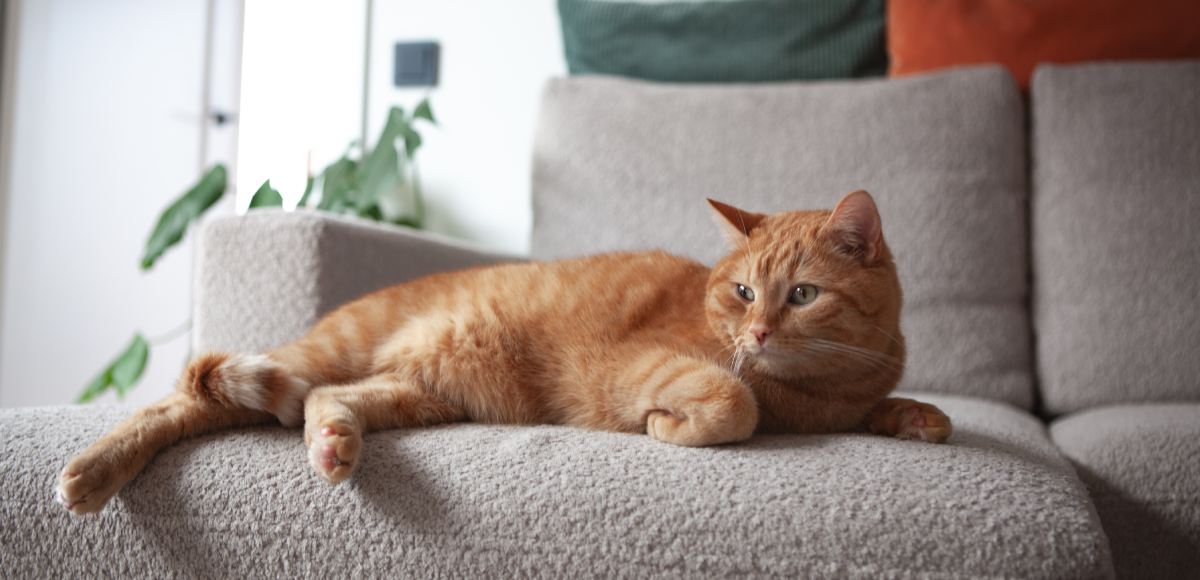
Cat Day: the perfect excuse to prepare your home for the heat
Summer is the time of year when we use air conditioning the most. However, when you also share your home with a cat, it's natural to wonder whether you're doing the best you can to keep them comfortable... without sending your electricity consumption soaring.
Even though cats tolerate heat better than some other animals, they still need a place where they can retreat when temperatures rise. The good news is that keeping your home cool for your pet doesn't mean running the air conditioning all day.
In fact, you can go a long way to creating a comfortable environment before you even switch it on.
By taking a few simple measures, you can keep your home cooler for longer:
- Lower the blinds and draw the curtains at times when solar radiation is strongest.
- Air your home first thing in the morning or at night, when outdoor temperatures are lower.
- Make sure the areas where your cat usually rests are not exposed to direct sunlight.
- Leave several rooms open so your cat can choose where it feels most comfortable.
- Place several bowls of fresh water around the house.
These measures help reduce the heat that builds up indoors and mean the air conditioning does not have to work as hard to maintain a comfortable temperature.
💡 Endesa tip: Before lowering the thermostat by another degree, try to keep the heat out of your home. Making the most of natural ventilation and keeping the blinds down at midday is one of the most effective ways to save energy in summer.
Is air conditioning bad for cats?
This is one of the most common questions when temperatures rise, and the answer is clear: air conditioning is not bad for cats when used correctly.
Any potential discomfort is caused not by the unit itself, but by improper use. Setting the temperature too low, directing the airflow straight at your cat or causing sudden changes between indoor and outdoor temperatures are all mistakes you should avoid.
Moreover, cats have an advantage: they know how to find the spot where they feel most comfortable. If they can move freely between different rooms, they will naturally choose the one with the most comfortable temperature at any given time.
So rather than cooling your home as much as possible, the aim should be to maintain a comfortable, stable environment for the whole family, including your pet.
To achieve this, simply follow a few straightforward recommendations:
- Keep the temperature constant and avoid sudden changes.
- Do not direct the airflow straight at your cat.
- Make different rooms accessible so your cat can choose where to rest.
- Make sure fresh water is always available.
If your air conditioning system is several years old, it may be a good time to consider a more efficient solution. A modern system can help you keep your home comfortable while reducing energy consumption.
The basic rule: a cool home, not an ice-cold one
When the heat strikes, it can be tempting to lower the thermostat by several degrees to cool your home as quickly as possible. However, this is neither the most efficient option nor the one your cat will enjoy most.
Cats do not need to live in a very cold environment. The priority is keeping your home at a comfortable temperature while allowing them to move to whichever room they feel most comfortable in.
What's more, setting the air conditioning lower than necessary has a direct impact on energy consumption. Every degree you lower the temperature makes the system work harder and, consequently, increases energy use.
So the best approach is to strike a balance: keep your home cool, but don't overdo it.
This will create a comfortable environment for everyone while preventing your electricity bill from rising unnecessarily.
⚡ To save even more: A home that is well protected from the heat requires less air conditioning. Before lowering the thermostat, try closing the blinds, using awnings and airing your home during cooler periods.
What temperature to set if you have a cat at home
If you've ever wondered what temperature to set your air conditioning to when you have a cat, the answer is simpler than it seems.
In most homes, keeping the air conditioning between 24°C and 26°C offers a good balance between comfort and energy efficiency. This ensures a pleasant temperature for people, helps keep your cat comfortable and avoids unnecessary energy consumption.
The aim is not to cool your home as much as possible, but to maintain a stable temperature during the hottest hours of the day.
To achieve this:
- Set the thermostat between 24 and 26 °C.
- Switch on ECO mode if your system has one.
- Direct the airflow towards the centre of the room rather than straight at your cat.
- Keep doors and windows closed while the air conditioning is running.
Maintaining a stable temperature is the best way to ensure comfort in the home. Your cat can move freely to find the spot where they feel best, while the air conditioning only works as hard as necessary to maintain a pleasant temperature throughout your home.
Blinds, shade and ventilation: saving starts before you switch on the air conditioning
When we think about cooling our homes, the first thing that usually comes to mind is switching on the air conditioning. However, the most efficient way to keep your home cool actually starts much earlier.
The more heat you keep from entering your home, the less time your air conditioning system will need to reach a comfortable temperature. The result is a more pleasant home for the whole family, including your pet, and lower energy consumption.
A few simple measures can make a difference:
- Lower the blinds and draw the curtains during the hours when solar radiation is strongest.
- Air your home first thing in the morning or at night, when outdoor temperatures are lower.
- Close the windows at midday to stop hot air from coming in.
- If you have awnings or other shading equipment, use them to reduce solar radiation.
- Whenever possible, avoid using the oven or other appliances that generate heat during the hottest hours of the day.
These measures help prevent your home from heating up and allow you to delay switching on the air conditioning or reduce the amount of time it needs to run.
Fans and cats: when they help and when they are not enough
When the weather gets hot, it's natural to wonder whether a fan is enough or whether it's better to switch on the air conditioning.
The answer depends mainly on the temperature inside your home.
If your home is still relatively cool, a fan can help circulate the air and make the room feel more comfortable. However, once heat has built up indoors or temperatures are very high, their effect is limited.
The reason? A fan does not cool the air; it simply moves it around. Air conditioning, on the other hand, actually lowers the room temperature, making it more effective during a heatwave or on the hottest days of summer.
The best approach is to make the most of each system's advantages:
- Use a fan when you simply need to improve air circulation.
- Switch to air conditioning if the temperature in your home is already too high.
- Whenever possible, combine both systems to stay comfortable while using only as much energy as necessary.
And remember one final point: whether you use a fan or air conditioning, avoid directing the airflow straight at your cat.
If you'd like to explore the differences between the two systems in more detail, take a look at our article on fans vs air conditioning, where we examine which uses less energy and when it is best to use each one.
Water, cool areas and freedom to move: the feline essentials
When temperatures rise, cats change their habits. They sleep more, seek out cool surfaces and become less active during the hottest hours of the day.
So rather than turning the air conditioning down as low as possible, the key is to create an environment where they can cool down naturally.
To help your cat cope with the summer heat, make sure they always have:
- Fresh water throughout the day, replaced frequently.
- Several water bowls placed around the home.
- Shaded areas where they can rest.
- A quiet, well-aired spot.
- Avoid strenuous play during the central hours of the day.
If your cat does not tend to drink much, a water fountain can be a great ally to encourage them to stay hydrated during the summer.
These simple measures will make it much easier for your cat to regulate their body temperature on the hottest days.
What to do if your cat is left home alone in summer
If you're going to be away for several hours, it's a good idea to prepare your home to ensure your cat stays comfortable until you return.
You won't always need to leave the air conditioning on. In many homes, simply keeping the heat out and making sure your cat has access to the coolest areas of the house is enough.
Take a minute to run through this simple checklist before you leave:
✔ Lower the blinds in the rooms most exposed to the sun.
✔ Leave fresh water in more than one bowl.
✔ Keep the doors to the coolest rooms open so your cat can choose where to rest.
✔ Make sure there is a shaded spot available throughout the day.
✔ If a heatwave is expected, schedule the air conditioning to run only during the hottest hours.
Preparing your home before you leave is usually enough to help your cat stay comfortable during the hottest hours of the day without having to leave the air conditioning running all day.
Warning signs: when the heat can be dangerous for your cat
Although cats generally cope well with high temperatures, they can also suffer heatstroke if they spend too long in a very hot environment or are unable to cool down properly.
That's why it's important to watch out for signs that the heat may be affecting them more than it should.
Some of the most common symptoms of heatstroke in cats include:
- Heavy panting or rapid breathing.
- Lethargy or lack of energy.
- Excessive salivation.
- Disorientation or difficulty walking.
- Vomiting or loss of consciousness in more severe cases.
If you notice any of these symptoms, move your cat to a cool spot, offer them water and contact your vet as soon as possible. Acting quickly is essential.
The best way to prevent these situations is to keep your home at a comfortable temperature, make sure your cat stays well hydrated and prevent them from spending too much time in very hot spots or in direct sunlight.
How to save electricity without putting your pet at risk
Keeping your home cool in summer and keeping your electricity bill under control are two perfectly compatible goals.
The key is to use air conditioning only when necessary and combine it with other measures that help keep your home cool.
To achieve this:
- Keep the thermostat between 24 and 26 °C.
- Make the most of ECO mode if your system has one.
- Lower the blinds and air your home when outdoor temperatures are lower
- Avoid opening doors and windows while the air conditioning is running.
- Use the timer to cool your home only during the hottest hours.
With these simple habits, you can reduce energy consumption without compromising your home's comfort or your cat's wellbeing.
If you want to keep your summer energy costs under control, choosing an electricity tariff that suits your consumption habits can also help. Choosing the option that best fits your day-to-day routine can make a difference when you use air conditioning more frequently.
FAQs about cats, air conditioning and your electricity bill
Is air conditioning bad for cats?
No. When used correctly, air conditioning is not bad for cats. The key is to keep the temperature stable, avoid directing the airflow straight at them and make sure they always have access to fresh water.
What temperature is safe for a cat at home?
Most experts recommend keeping your home between 24°C and 26°C during the hottest months. This temperature helps keep both people and pets comfortable without sending your electricity consumption soaring.
Can I leave the air conditioning on if my cat is home alone?
Yes, although you won't always need to leave it running all day. If your home tends to stay cool, it may be enough to lower the blinds, leave fresh water available and allow your cat access to the coolest rooms. During a heatwave, the most practical option is to use the timer to cool your home only during the most critical hours.
Is a fan or air conditioning better for cats?
It depends on the temperature inside your home. A fan helps circulate the air when the temperature is still bearable, but it does not actually lower it. If your home is already very hot, air conditioning will be more effective at creating a comfortable environment.
How can I cool my cat at home without spending too much?
The best approach is to combine several measures: lower the blinds, air your home when it gets cooler, leave several bowls of fresh water available, provide shaded areas and use air conditioning only when necessary. These simple steps can help you maintain comfort without significantly increasing energy consumption.
How can I save electricity if I have pets at home?
To save electricity when using air conditioning, keep the temperature at a reasonable level, make the most of ECO mode if available, prevent cool air from escaping and reduce the amount of heat entering your home. This will allow you to look after your pet's wellbeing while ensuring a more efficient energy use.
Take a minute to find the product that best suits you:
{{firstStep.title}}
Take a minute to find the product that best suits you:
{{title}}
{{content.phone.title}}
{{content.phone.text}}
{{content.phone.phoneText}}
{{content.form.title}}
{{content.form.text}}
{{content.form.success.title}}
You don't need to adapt to Endesa's tariffs because they adapt to you. If you go to our catalogue you can compare the different tariffs for yourself. Or if you prefer, you can answer a few questions and we will take care of comparing all the different electricity and gas tariffs and then make a customised recommendation.
Take a minute to find the product that best suits you:
{{title}}
{{content.phone.title}}
{{content.phone.text}}
{{content.phone.phoneText}}
{{content.form.title}}
{{content.form.text}}
{{content.form.success.title}}
You don't need to adapt to Endesa's tariffs because they adapt to you. If you go to our catalogue you can compare the different tariffs for yourself. Or if you prefer, you can answer a few questions and we will take care of comparing all the different electricity and gas tariffs and then make a customised recommendation.
Comparison of Electricity and Gas Tariffs
You don't need to adapt to Endesa's tariffs because they adapt to you. If you go to our catalogue you can compare the different tariffs for yourself. Or if you prefer, you can answer a few questions and we will take care of comparing all the different electricity and gas tariffs and then make a customised recommendation.
Do you want to see all our offers?
Spend a minute to find the product which best adapts to you:
{{firstStep.title}}
Spend a minute to find the product which best adapts to you:
{{title}}
{{content.phone.title}}
{{content.phone.text}}
{{content.phone.phoneText}}
{{content.form.title}}
{{content.form.text}}
{{content.form.success.title}}
Spend a minute to find the product which best adapts to you:
{{title}}
{{content.phone.title}}
{{content.phone.text}}
{{content.phone.phoneText}}
{{content.form.title}}
{{content.form.text}}