


If you prefer to always view the website in English, please click here.
{{content.phone.title}}
{{content.phone.text}}
{{content.phone.phoneText}}
{{content.form.title}}
{{content.form.text}}
{{content.form.success.title}}
Regulations for installing a charger in a communal car park in 2026
Buying an electric car means enjoying a more efficient form of mobility and the convenience of charging it at home. However, when your parking space is in a communal car park, questions often arise: Do I need permission from the residents' association? Can they block the installation? What requirements must I meet?
The good news is that Spanish regulations make this process straightforward. If the charging point is to be installed in a privately used parking space, in most cases, you do not need authorisation from the residents' association. You will, however, need to notify them before installing it and ensure it meets the technical and safety requirements established by current legislation.
In this guide, you will discover what the Horizontal Property Act says, how the ITC-BT-52 instruction affects you, what documentation you need, and the steps to install a charging point safely and securely.
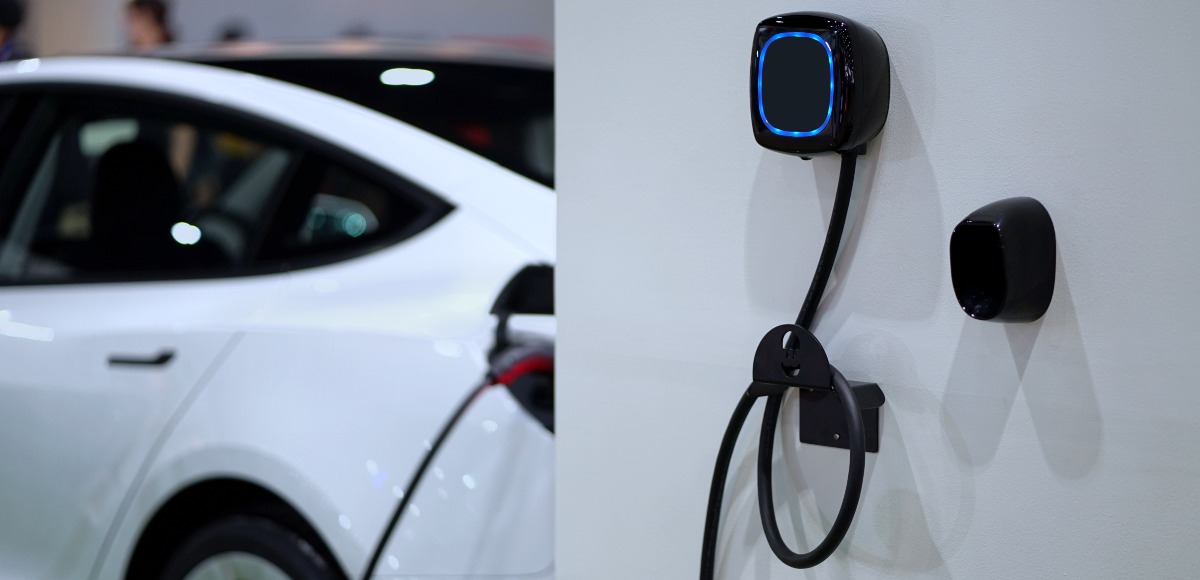
Quick answer: you don't need permission, but you do need to give notice
If you are going to install a charger for your electric car in a private parking space, you do not need the residents' association to approve the installation.
The law only requires you to provide prior notice before carrying out the work. In other words, you must inform the residents' association before starting, but you do not have to wait for the owners to vote on or authorise the project.
This distinction, though seemingly small, has caused a lot of confusion over the years. In fact, some people still believe that installing a charging point requires the green light from the residents' association. However, current legislation simplifies the procedure to encourage the rollout of electric mobility.
That doesn't mean it can be done haphazardly. The installation must comply with technical regulations and be carried out by an authorised professional to guarantee the safety of the building and the electrical installation itself.
What the Horizontal Property Act says about electric chargers
The above answer stems from the Horizontal Property Act (Ley de Propiedad Horizontal), specifically Article 17.5.
This article establishes that when a charging point is installed for private use in an individual parking space, it is sufficient to give the residents' association prior notice of the installation. It also makes it clear that both the installation costs and the electricity consumption are the responsibility of the property owner requesting it.
With this measure, the law aims to facilitate the installation of charging points in residential buildings and remove barriers that, until a few years ago, could delay the adoption of electric vehicles.
What does this mean in practice?
If your space is for private use and the charger is for your vehicle, you can install it following the legal procedure, without needing to put the decision to a vote.
However, this simplified process is designed for individual installations. If the project affects communal infrastructure or serves multiple residents, different requirements may apply.
|
If... |
Then... |
|---|---|
|
The space is for private use |
You simply need to give prior notice of the installation. |
|
The charger is for private use |
Installation and consumption costs are borne by the owner. |
|
The installation affects communal infrastructure |
Other regulatory requirements may apply. |
What the Supreme Court has clarified about wiring in communal areas
One of the most common questions arises when the charger's cable needs to run along the car park's communal walls or across the ceilings to reach the space.
Can the residents' association block the installation for this reason?
The Supreme Court has clarified this issue, ruling that running cables through communal areas does not require authorisation from the residents' association, provided the charging point is for private use in an individual space and the installation complies with applicable regulations.
In other words, the fact that the cable runs through communal elements does not change the procedure outlined in the Horizontal Property Act.
The important thing is that the route is properly designed, respects safety regulations, and the installation is carried out by an authorised professional.
If you are looking for a comprehensive solution, Endesa's Waybox includes a preliminary site survey and installation by specialised professionals, ensuring the entire process complies with current regulations from the outset.
ITC-BT-52: the technical standard the installation must meet
Once it is clear you don't need authorisation from the residents' association, the next step is ensuring the installation complies with technical regulations.
The relevant standard in Spain is the ITC-BT-52, an instruction within the Low Voltage Electrotechnical Regulations (REBT) that governs how electric vehicle charging points must be installed.
While the name might sound complex, its goal is very simple: to ensure the installation is safe for both the vehicle and the building's electrical grid.
To achieve this, it dictates aspects such as cable routing, the electrical protections the charger must incorporate, and how consumption is metered.
This is why it is vital that the installation is always performed by an authorised installer, who will design the best solution for your car park and certify that everything meets current standards.
If you prefer to leave this process to the professionals, Endesa's Waybox offers a comprehensive solution that includes the preliminary survey, supply of the charger, and installation by specialists.
Step-by-step guide to installing a charger in a communal car park
Although it may seem like a complex process, installing a charger in a communal car park is usually much simpler than you might think when you rely on a specialised company.
1. A professional assesses the installation
The first step is to analyse the car park's characteristics to determine the best way to supply electricity to your space. This assessment considers aspects like cable routing, available power, and the charger's location.
2. Inform the residents' association of the installation
Before starting the work, you must inform the residents' association that you are going to install a charging point.
Remember that this is a prior notification, not a request for authorisation.
3. The charger is installed
Once the technical solution has been defined, the installer carries out the work in accordance with the requirements of the ITC-BT-52 and the Low Voltage Electrotechnical Regulations.
4. Everything is tested to ensure it works correctly
Upon completion, the professional verifies that the installation works properly and hands over the corresponding technical documentation.
From that moment on, you can charge your electric car at home with complete peace of mind.
What the notice to the residents' association should include
The Horizontal Property Act doesn't provide an official template for notifying the installation, but it is highly recommended that the letter is clear and includes the necessary information to avoid any ambiguity.
It should typically include:
- The property owner's details.
- Identification of the parking space.
- The intention to install a charging point for private use.
- The scheduled start date for the work.
- A statement that the installation will be carried out by an authorised professional and in accordance with current regulations.
It is also advisable to keep a copy of the letter and proof of receipt.
Is it necessary to wait for a reply from the residents' association?
No. The notification is strictly for informational purposes. If the installation meets the legal requirements and technical standards, you do not need to wait for the residents' association to approve the work.
Who pays for the installation, maintenance, and electricity consumption?
Another of the most common questions involves costs.
For a private installation, all costs are borne by the owner installing the charger. This includes the equipment, the installation, maintenance, and the electricity consumed during charging.
This way, the other residents do not have to take on any costs related to the charging point.
To ensure each user pays only for the energy they consume, the installation must be able to meter consumption independently. Depending on the building's characteristics, the charger can be connected to the property's own electricity supply or use other solutions outlined in the regulations.
If you plan to charge your car regularly at home, having an Endesa Electric Vehicle Charging Tariff can also help you reduce the cost of each charge by taking advantage of the times when electricity prices are generally lower.
Meter, supply, and power: how the charger's consumption is measured
Once the charging point is installed, another question naturally arises: How is the electricity consumed by the car measured?
Regulations require that this consumption can be metered so that each user pays solely for the energy they use. The solution will depend on the building's electrical setup.
The most common option is to connect the charger to the home's electricity supply via a power line running to the parking space. This way, the consumption is added directly to your electricity bill.
In other cases, such as when the car park is in a separate building or the characteristics of the installation require it, it may be necessary to set up a new electricity supply or use communal infrastructure designed for multiple users.
|
Situation |
Most common solution |
|---|---|
|
The home and the car park are in the same building |
The charger is connected to the home's supply. |
|
The car park is in another building or the installation requires it |
It may be necessary to set up a new supply. |
|
The building has a communal infrastructure |
The charging point can be connected to that setup. |
Before deciding on the best option, an authorised installer will assess the building's characteristics and recommend the most suitable solution.
Can the residents' association object?
This is one of the most frequently asked questions and, in most cases, the answer is no.
If the charger is installed in a privately used space and the installation complies with the Horizontal Property Act and technical regulations, the residents' association cannot demand that the project be put to a vote.
However, the work must be carried out correctly and respect the building's communal elements. If there are issues related to safety or poor workmanship, the residents' association can demand that these be rectified.
In other words, the residents' association cannot block the installation simply because they disagree, but they do have the right to ensure it is done in accordance with the regulations and without causing unnecessary damage.
Special cases: rented spaces, separate car parks, or collective installations
Although most installations follow the same procedure, there are some situations where additional factors should be considered.
If the space is rented
Regulations do not prevent the installation of a charging point, but before starting work, it is advisable to check the rental agreement and notify the owner of the parking space about the installation.
If the car park is in a different building
When the parking space doesn't share a power supply with the home, it may be necessary to install a new mains connection or set up an independent supply. The solution will depend on the property's characteristics.
If multiple residents want to install a charger
Every owner can install their own charging point following the legal procedure. However, when several people plan to do so, it might be worth looking into communal infrastructure that facilitates future installations and optimises the building's electrical grid.
Grants, tax deductions, and documentation: what to check in 2026
Before starting the installation, it is worth checking if there are any grants or incentives that could lower the cost of the project.
Depending on the autonomous community or municipality, there may be subsidies or tax deductions available for installing charging points in private homes. Because these schemes can change over time, it is always best to check for updated information with the relevant authorities before starting the installation.
Furthermore, you should keep all documentation related to the installation, such as the quote, the invoice, and the electrical installation certificate. These documents may be required both to apply for certain grants and to prove that the installation was carried out in accordance with current regulations.
Installing a charger with Endesa: what to consider before signing up
Beyond the charger itself, what really matters is that the installation is well-designed and tailored to your car park's characteristics.
That is why, before signing a contract, you should check that the service includes a preliminary site survey, installation by authorised professionals, the corresponding technical documentation, and guidance throughout the process.
If you are looking for a comprehensive solution, Endesa's Waybox brings all these services together so you don't have to worry about the technical side and can start charging your vehicle with total peace of mind.
Plus, if you plan to charge your car regularly at home, pairing the charging point with an Endesa Electric Vehicle Charging Tariff can help you cut the cost of each charge by taking advantage of the times when electricity prices are generally lower.
Frequently asked questions about regulations for chargers in communal car parks
Do I need permission from the residents' association to install a charger?
No. If the charging point is for private use and will be installed in a privately used parking space, simply giving prior notice to the residents' association is enough. You do not need to ask for authorisation or wait for the residents' association to approve the work.
Can the residents' association refuse the installation?
Under normal circumstances, no. If the installation complies with the Horizontal Property Act and technical regulations, the residents' association cannot block it simply because they disagree. They can, however, demand that the work is carried out correctly and respects the building's communal elements.
Who pays for the installation and the electricity for the charger?
When the charging point is for private use, all costs fall to the owner who installs it: the charger, the installation, maintenance, and the electricity consumed during charging.
Is it mandatory to hire an authorised installer?
Yes. The installation must be carried out by an authorised installer, who will be responsible for guaranteeing that it meets the requirements of the ITC-BT-52 and the Low Voltage Electrotechnical Regulations.
What documentation do I need?
Besides giving prior notice to the residents' association, you should keep the quote, the invoice, and the electrical installation certificate, as they may be required to apply for grants or prove that the installation complies with regulations.
Can I install a charger if my parking space is rented?
Yes, though before starting work, you should check the terms of your rental agreement and inform the owner of the space if the installation involves modifying the property.
Do I need a separate meter?
Not always. In many cases, the charger can be connected to the home's electricity supply. When this isn't possible, an authorised installer will evaluate other options, such as a new supply or a communal infrastructure.
Are there grants for installing a charging point?
Subsidies or incentives may be available depending on the autonomous community or municipality. Since these schemes change over time, it is always best to check for updated information before beginning the installation.
Take a minute to find the product that best suits you:
{{firstStep.title}}
Take a minute to find the product that best suits you:
{{title}}
{{content.phone.title}}
{{content.phone.text}}
{{content.phone.phoneText}}
{{content.form.title}}
{{content.form.text}}
{{content.form.success.title}}
You don't need to adapt to Endesa's tariffs because they adapt to you. If you go to our catalogue you can compare the different tariffs for yourself. Or if you prefer, you can answer a few questions and we will take care of comparing all the different electricity and gas tariffs and then make a customised recommendation.
Take a minute to find the product that best suits you:
{{title}}
{{content.phone.title}}
{{content.phone.text}}
{{content.phone.phoneText}}
{{content.form.title}}
{{content.form.text}}
{{content.form.success.title}}
You don't need to adapt to Endesa's tariffs because they adapt to you. If you go to our catalogue you can compare the different tariffs for yourself. Or if you prefer, you can answer a few questions and we will take care of comparing all the different electricity and gas tariffs and then make a customised recommendation.
Comparison of Electricity and Gas Tariffs
You don't need to adapt to Endesa's tariffs because they adapt to you. If you go to our catalogue you can compare the different tariffs for yourself. Or if you prefer, you can answer a few questions and we will take care of comparing all the different electricity and gas tariffs and then make a customised recommendation.
Do you want to see all our offers?
Spend a minute to find the product which best adapts to you:
{{firstStep.title}}
Spend a minute to find the product which best adapts to you:
{{title}}
{{content.phone.title}}
{{content.phone.text}}
{{content.phone.phoneText}}
{{content.form.title}}
{{content.form.text}}
{{content.form.success.title}}
Spend a minute to find the product which best adapts to you:
{{title}}
{{content.phone.title}}
{{content.phone.text}}
{{content.phone.phoneText}}
{{content.form.title}}
{{content.form.text}}