Electrical grid
The aerial inspection spearheaded by Endesa and AENOR allows incidents to be detected before they become problems. Advanced sensors, data analysis, and artificial intelligence are transforming the way an essential infrastructure is understood and managed.
By Elena Gallardo Merino
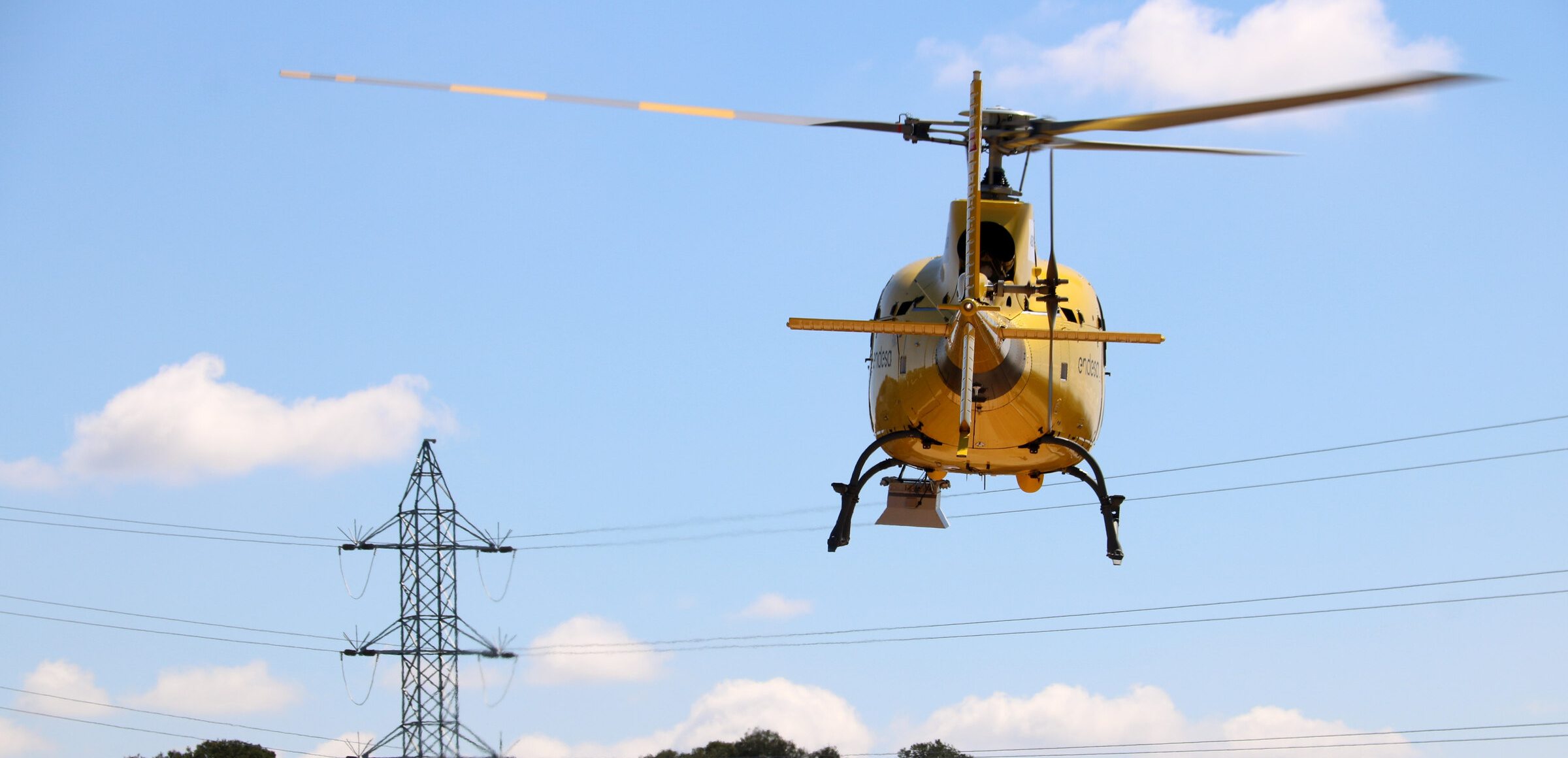
At a time when the reliability of the electricity supply is more critical than ever, grid management is entering a stage marked by digitalisation and advanced data analysis. In this context, the partnership between Endesa and AENOR in the inspection of high- and medium-voltage lines is establishing itself as an example of how technology is transforming the way energy infrastructures are understood and operated.
Through this project, AENOR is placing its experience, technical knowledge, and technological capabilities at Endesa’s service to develop an advanced inspection that turns data into key information for decision-making.
The project encompasses the aerial inspection of a large part of the high- and medium-voltage grid in Catalonia, Aragon, the Balearic Islands, and the Canary Islands, in addition to the work carried out in Andalusia during 2025. To this end, flights equipped with state-of-the-art sensors are used, capable of monitoring and digitising both the electrical infrastructure and its surroundings.
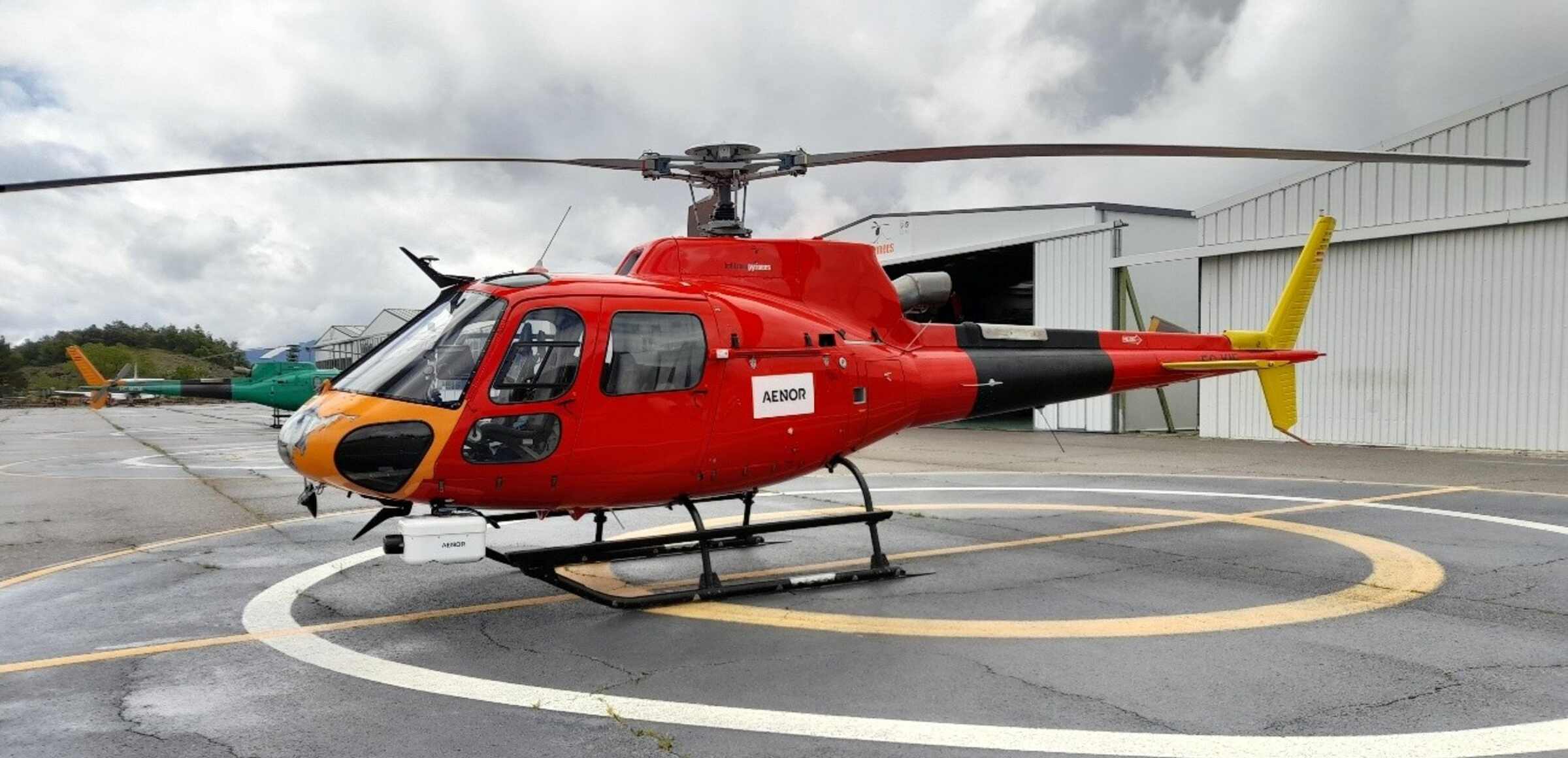

During these operations, high-performance RGB cameras, thermal imaging cameras to detect hot spots, LiDAR sensors for 3D grid modelling, and precise positioning systems are used, allowing each asset to be accurately georeferenced.
The result is a massive data capture that provides a complete, precise, and up-to-date view of the state of the grid. AENOR, with extensive experience in helicopter operations, combines this capability with the progressive incorporation of drones, opening the door to more flexible and versatile inspection models.
But the true value lies not only in capturing information, but in interpreting it. After each flight, AENOR carries out an exhaustive analysis process that transforms data into operational knowledge.
Thanks to this, it is possible to digitally model the grid with great precision and identify regulatory non-compliance with centimetre-level accuracy. This level of detail makes it possible to anticipate risks and detect situations that could compromise the safety or proper functioning of the infrastructure.
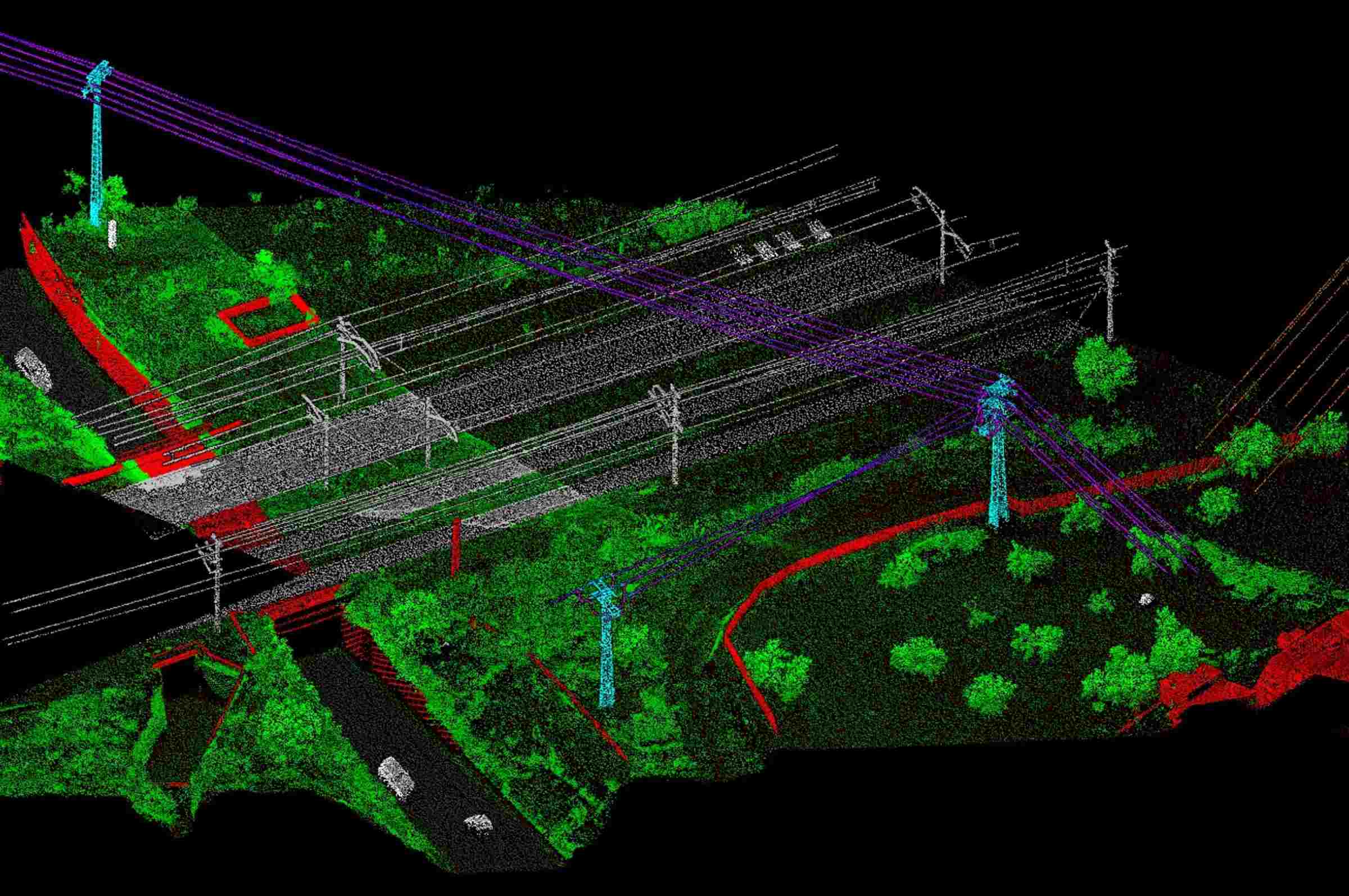
Added to this analysis is the use of artificial intelligence and the experience of specialised inspectors, which make it possible to identify visible anomalies such as the condition of insulators, the presence of nests, or incidents in supports and spans. Each element is accurately documented, facilitating its evaluation and prioritisation.
One of the main contributions of this model is its impact on safety. Advanced digitalisation makes it possible to detect incidents in advance, reducing the need for manual inspections and exposure to complex environments.
Having precise and actionable information makes it possible to better plan each intervention, reduce uncertainty, and act under better conditions. Safety thus ceases to be merely an operational phase and becomes integrated into the entire grid management cycle.
As a new feature, the project incorporates a specific study on vegetation clearance across all inspected kilometres. Based on the data obtained, both current and future non-compliance related to vegetation can be identified.
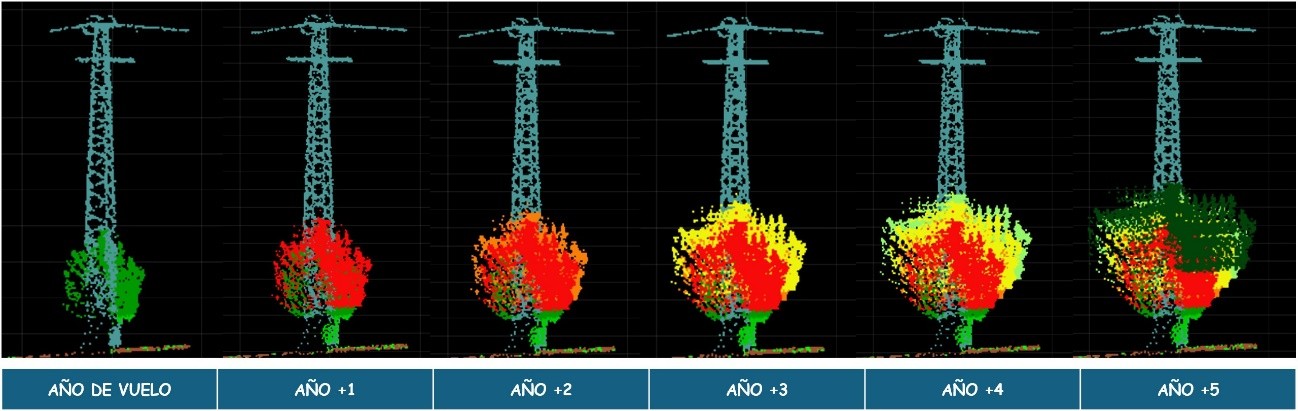
This will make it possible to precisely define the need for action, quantify areas, and locate critical zones, facilitating the planning of controlled and quantified actions before carrying out maintenance, with the consequent reduction in costs and a tangible improvement in the state and safety of the grid.
Another of the project's pillars is the updating of Endesa's asset database. AENOR is correcting the position and classification of the grid's elements, improving the quality and reliability of the available information.
This updated digital base is key to moving towards more efficient, traceable, and anticipation-oriented management models, where data becomes a strategic asset.
The partnership between AENOR and Endesa also extends to emergency situations. The ability to mobilise specialised resources and equipment makes it possible to quickly assess the state of the grid following adverse weather events.
This occurred during storm Leonardo in Andalusia, where emergency flights carried out by AENOR and Endesa made it possible to identify damage such as fallen trees, broken electrical conductors, or affected towers, facilitating an agile and well-founded response.
The project integrates aerial inspection, advanced sensors, digital modelling, artificial intelligence, and specialised analysis to transform data into more precise decisions.
Beyond the technology, it is a new way of understanding the electricity grid: not just as an infrastructure to be inspected, but as a system to be analysed, understood, and anticipated. Because today, ensuring its reliability requires more than just observing it: it requires understanding it, anticipating its risks, and acting intelligently.