


If you prefer to view the website always in english, click here.
{{content.phone.title}}
{{content.phone.text}}
{{content.phone.phoneText}}
{{content.form.title}}
{{content.form.text}}
{{content.form.success.title}}
Christmas markets: how much energy they use and how to reduce their energy impact
Christmas is a time of joy, excitement, and tradition. It’s a season filled with Christmas markets that bring charm, colour, and life to our squares, parks, and streets. But these holiday events are not only meeting points for leisure and commerce —they also come with extra energy consumption that’s important to understand from an electrical efficiency and sustainability perspective.
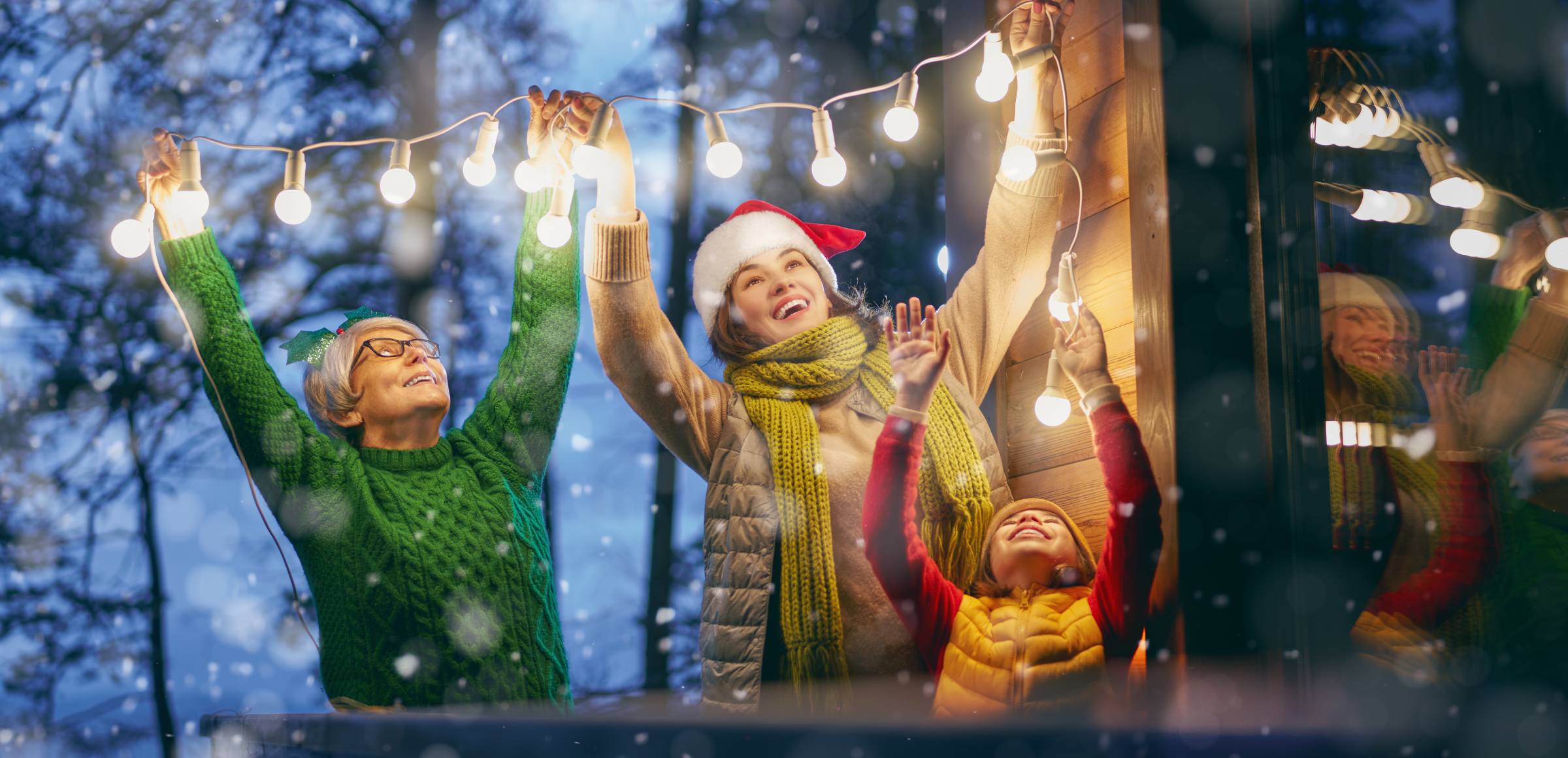
Behind the festive magic lies a significant increase in energy use. For example, according to Red Eléctrica de España, electricity demand in December 2023 rose by 3.8% compared to the same month the previous year, driven largely by urban lighting and holiday-related commercial activity.
This increase raises a few questions: how can we enjoy Christmas without compromising sustainability? How much energy do Christmas markets actually use, and how can we reduce their impact? Let’s explore the phenomenon, understand its magnitude, identify the factors behind consumption, and review best practices to help minimise it.
The charm of Christmas markets and their energy impact
Christmas markets are highly attractive. They mix tradition, family-friendly atmospheres, gastronomy, decorations, and artisan crafts in towns and cities alike. Madrid, Barcelona, and Vigo attract thousands of visitors with their stands and decorations. This way, the cities boost local economies, encourage social interaction in illuminated public spaces, and create the unmistakable spirit of Christmas.
But this magic comes at a cost. Lighting, heating, electrical equipment, and temporary structures all increase electricity use —an energy impact that, while not always easy to quantify, should not be overlooked. Even though many cities have switched to LED lighting, energy consumption remains considerable —especially in markets that include amusement rides or food service areas.
It’s estimated that Christmas lighting in a large Spanish city can consume between 160,000 and 170,000 kWh in just one hour of operation. This means that, despite LED technology and other improvements, the overall volume of lighting and decorations still represents a significant share of additional seasonal energy use.
Main factors that influence energy consumption at Christmas markets
Several elements determine the level of electricity consumption associated with Christmas markets:
Decorative lighting
As the holidays begin, lights are always the main attraction —and they account for a large part of total consumption. Bulbs, garlands, illuminated arches, giant trees, and other decorations require considerable electrical power. While each individual unit may consume little, the sheer volume and long operating hours substantially increase overall demand. For example, a string of 100 LED bulbs can consume between 300 and 600 W per hour.
The daily lighting schedule and the number of operating days heavily influence consumption: the earlier lights are turned on —and the longer they stay on— the higher the energy use. Some cities have reduced lighting hours to save energy.
Heating for stalls
In colder regions, electric or gas heaters are used as supplementary heating or climate control equipment for the sales and service stalls. This equipment is especially common in outdoor markets located in squares and parks. In temporary enclosed spaces, heaters are sometimes used as well, though usually with lower demand. In both cases, these systems significantly increase energy consumption.
Restaurant equipment —such as ovens, grills, and coffee machines— as well as amusement rides like carousels and sound systems, also contribute to higher consumption.
Technology and efficiency
Using LED lights, timed control systems, sensors, and renewable energy makes a major difference. Switching to LED technology and reducing operating hours could cut Christmas lighting consumption by up to 33%.
Indeed, other factors —such as contracted power levels, type of supply contract, installation efficiency, and the willingness of the city council, public authority or organising company to save energy— also play a key role. Understanding these factors helps organisers plan and implement improvements that reduce consumption without compromising the holiday atmosphere.
Examples of energy use in Spanish Christmas markets
While there are no official figures focused exclusively on Christmas markets, here are some useful examples illustrating typical holiday lighting consumption:
- A medium-sized Christmas market with around 50 stalls may consume 250 to 500 kWh per day, considering LED lighting, heating, and food-service equipment. In Madrid, Christmas lighting usually includes around 12 million LED bulbs, with an estimated consumption of 168,000 kWh per hour citywide. However, the city relies on efficient technology that helps mitigate the impact.
- In Vigo, with approximately 11.5 million LED bulbs spread across 450 streets and squares, estimated consumption reaches roughly 161,000 kWh for the full Christmas lighting display.
- At home, a medium-sized Christmas tree decorated with LED lights operating 6 hours per day for one month can consume around 1,800 to 3,600 kWh.
These examples show that although LED technology, increased consumption awareness, and renewable energy have significantly improved efficiency, the aggregated impact of holiday lighting remains noteworthy and requires careful management.
How to reduce energy consumption in Christmas markets
Several actions can help reduce energy consumption in Christmas markets and minimise their electrical impact —and many of them also apply at home:
- Replace traditional incandescent bulbs with LED lights, which can save up to 80% of energy use. Using low-power light strings, timers, and automatic shut-off sensors contributes to keeping consumption low.
- Shorten lighting hours —turn lights on later, turn them off earlier—to reduce operating time and decrease overall consumption. For instance, Barcelona reduced lighting hours by one hour, saving 18%, while Vigo shortened daily lighting schedules by one hour, achieving a 14% reduction.
- Some Christmas markets and fairs already run on 100% renewable electricity, lowering their carbon footprint. Many also install timers, sensors, and advanced management or remote-control systems that adjust brightness, shut off lighting when no visitors are present, and detect faults or excessive consumption.
- Planning and monitoring installations is also essential: understanding the scale of the setup —number of bulbs, power per stall, lighting structures— helps prevent waste. Closing stalls or certain market areas during low visitor traffic also saves energy.
- Choosing the right energy tariff is important as well. For organisers, vendors, and even households, selecting a tariff with stable pricing and predictable costs can help control expenses. For example, Endesa’s Conecta tariff is ideal for small vendors, seasonal setups, or stores operating with extended holiday hours.
How much does a lit Christmas tree cost at home?
Estimating indoor holiday lighting costs is easier. A tree with 100 LED lights used 6 hours a day for 20 days consumes around 4 kWh. Traditional incandescent lights, however, can use ten times as much.
These few examples suggest that a well-lit LED tree used moderately —4 to 5 hours a day for 20 to 30 days— has a limited impact on your monthly electricity bill, especially compared to other household consumption. But this estimate doesn’t include additional illuminated decorations around the home. If you add window lights, hallway lighting, or heating, total demand naturally increases.
Do Christmas lights consume a lot of energy?
It depends on the context, space, and number of lights. LED technology means Christmas lighting is no longer a waste of money and energy. The trend is clear: today’s lights use much less energy than in previous years, although they can still consume more than expected when used in large quantities or for many hours.
Switching to LED and reducing lighting hours has enabled savings of 20% to 33% in some cities. Still, the total impact remains significant due to the sheer volume of lights, long operating hours, and the added energy use from vendors, heating, amusement rides, and more.
In short: Christmas lights can use a lot of electricity if not managed wisely. With good practices, their impact can be kept within reasonable levels.
Which Spanish city has the most efficient holiday lighting?
It’s difficult to name a single city as ‘the most efficient.’ However, data shows that several Spanish cities stand out for implementing good practices for electricity use and consumption during the holiday season, reflecting their commitment to efficient decorative lighting.
Madrid and Vigo are among the most efficient thanks to their extensive use of LED technology and shorter lighting schedules. Vigo, for instance, installed 11 million LED lights and reduced operating time by one hour daily, resulting in a 14% energy savings. Barcelona, Málaga, and Sevilla have also reduced consumption by cutting daily lighting hours and optimised illumination with LED bulbs.
In every city, efficiency depends on a combination of measures —operating hours, technology, and management— rather than simply the number of bulbs used.
Can I use solar energy for my Christmas lighting?
Yes —it’s a very sustainable option. If you have a solar self-consumption system or home batteries, your Christmas lighting can run entirely on renewable energy. Therefore, you’ll lower your carbon footprint and reduce your electricity bill.
It’s important to ensure that your installation (outdoor outlets, timers, protections) is in good condition to avoid unnecessary energy losses. Remember that holiday lighting is additional consumption. So, if you use solar power for it, make sure it doesn’t lead to ‘careless’ increases in other household usage.
Solar energy is a perfectly viable source for sustainable holiday lighting. This option aligns well with our electricity tariffs and the Endesa’s Solar tariff, available in our catalogues. Beyond being competitive, these tariffs offer promotions and discounts —an excellent Christmas gift for your wallet.
Christmas markets are an essential part of Spanish holiday tradition —bringing magic, commerce, and a festive atmosphere to cities and towns. But they also represent additional electricity consumption and an energy impact that shouldn’t be overlooked.
To enjoy a more sustainable holiday season without losing its charm, it’s essential to take steps like: estimating the energy use of a Christmas tree, outdoor decorations at home, or a market stall; opting for LED lighting; reducing operating hours; choosing the right tariff; and considering renewable energy.
Take a minute to find the product that best suits you:
{{firstStep.title}}
Take a minute to find the product that best suits you:
{{title}}
You don't need to adapt to Endesa's tariffs because they adapt to you. If you go to our catalogue you can compare the different tariffs for yourself. Or if you prefer, you can answer a few questions and we will take care of comparing all the different electricity and gas tariffs and then make a customised recommendation.
Take a minute to find the product that best suits you:
{{title}}
You don't need to adapt to Endesa's tariffs because they adapt to you. If you go to our catalogue you can compare the different tariffs for yourself. Or if you prefer, you can answer a few questions and we will take care of comparing all the different electricity and gas tariffs and then make a customised recommendation.
Comparison of Electricity and Gas Tariffs
You don't need to adapt to Endesa's tariffs because they adapt to you. If you go to our catalogue you can compare the different tariffs for yourself. Or if you prefer, you can answer a few questions and we will take care of comparing all the different electricity and gas tariffs and then make a customised recommendation.
Do you want to see all our offers?
Spend a minute to find the product which best adapts to you:
{{firstStep.title}}
Spend a minute to find the product which best adapts to you:
{{title}}
{{content.phone.title}}
{{content.phone.text}}
{{content.phone.phoneText}}
{{content.form.title}}
{{content.form.text}}
{{content.form.success.title}}
Spend a minute to find the product which best adapts to you:
{{title}}
{{content.phone.title}}
{{content.phone.text}}
{{content.phone.phoneText}}
{{content.form.title}}
{{content.form.text}}