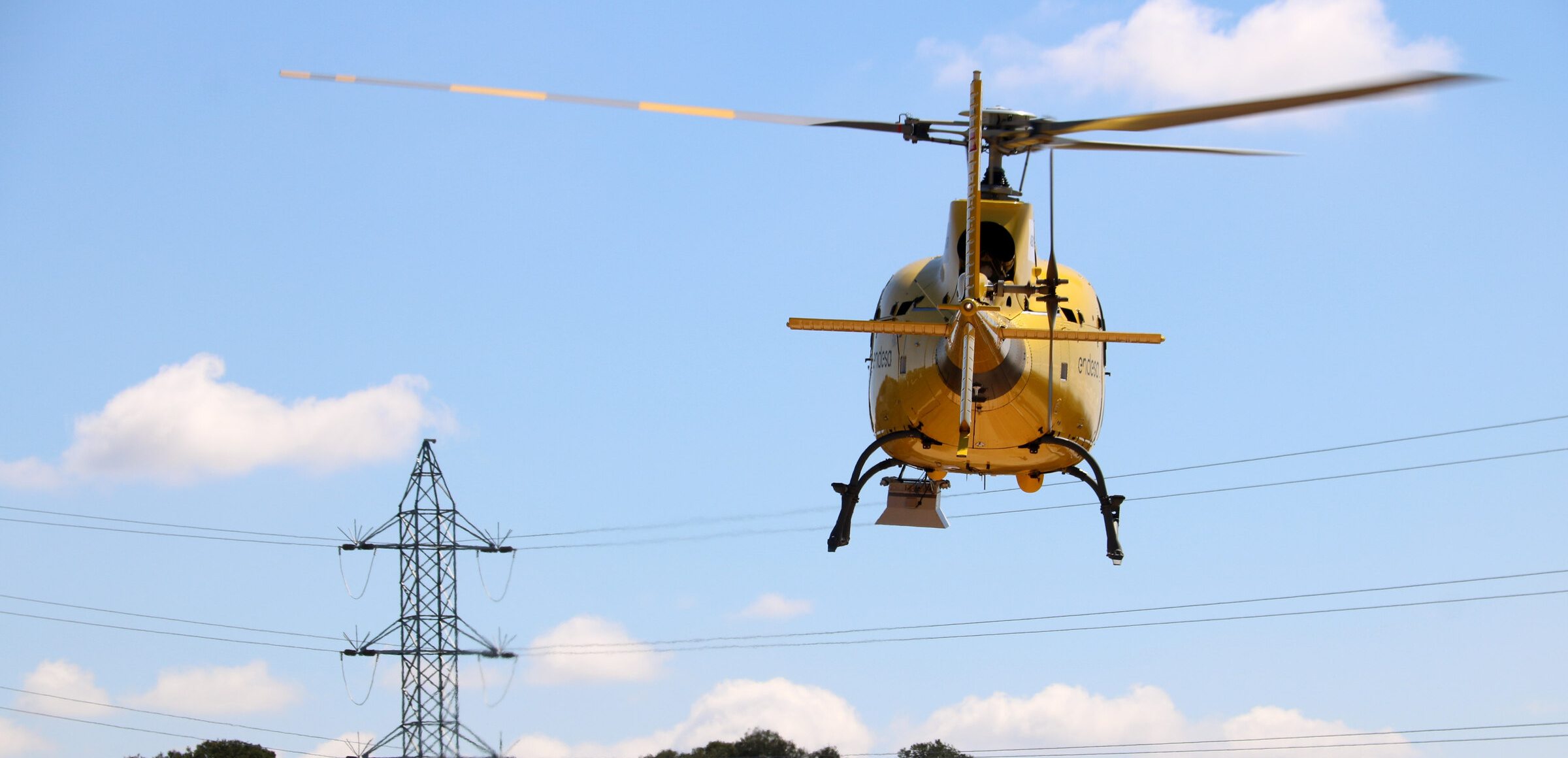
Electrical grid
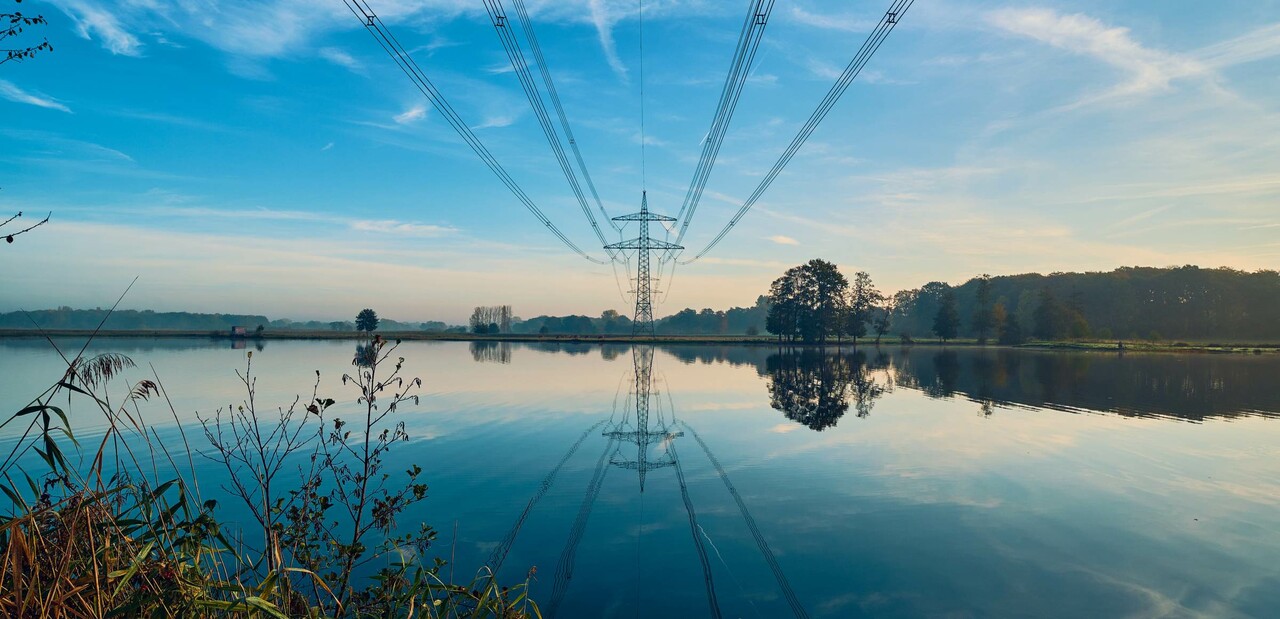
Industrial electrification is key to competitiveness and decarbonisation, but it requires electricity grids capable of supporting this increase in electricity demand. Investing in this infrastructure and adapting the connection capacity is fundamental to achieving decarbonisation goals and boosting industrial growth during the energy transition.
By Pedro González

We are leaving behind 2025, a year marked by the blackout in late April, but also by numerous regulatory changes in different areas, most notably everything related to electricity grids.
The regulatory changes to grid remuneration, following the end of the regulatory period, have been accompanied by intense activity related to grid access and connection. Detailed specifications for determining access capacity and the publication of demand access maps are substantial changes that aim to streamline and provide transparency regarding the new capacity needs required by electricity demand. And this has significant implications.
Until now, we have witnessed a frantic race in which electricity generation has grown steadily and massively in recent years, often neglecting the demand side. In other words, we have allocated a large amount of resources to connecting new renewable capacity, and perhaps we have neglected what was developing on the demand side.
The various crises we have suffered since 2020 caused us to lose focus on the sector's evolution. However, it was clear that the commitment to electrification in the economy was the basis of the roadmap for decarbonisation in our country and also in the EU. This implies not only integrating renewables but also facilitating the increase in electricity consumption in the three broad segments that compose demand: buildings, transport, and industry. Various studies agree that electricity demand must more than double its share to be able to reach the 2050 targets, and we are currently starting from a value below 25%. In other words, we must prepare the system for this profound transformation, but we must do so by allocating investments in the most efficient way possible, where the grids are a crucial part of this process.
We are, therefore, faced with the challenge of responding to these demand needs. In this regard, we see that electrification in buildings or in transport has growth rates that must increase, perhaps due to structural dynamics that require longer timeframes. They will grow, without a doubt, in the coming years. Conversely, this is not the case in industry; we are witnessing an electrification process in response to the decarbonisation targets with numerous requests for capacity expansion for existing industry and for new industry.
The existing industry has notably suffered the impact of rising gas prices in the electricity market, causing a sharp decline in consumption. It is still far from 2019 values, but little by little it is recovering. However, part of this recovery must be driven by the electrification of its processes, especially those requiring temperatures below 400ºC. And this demands greater connection capacity.
However, we find ourselves in a scenario where the existing grid capacity available for expansion is reserved but not yet connected. And this is a problem for those wanting to grow now—which is positive for industrial recovery; for those wanting to electrify now—which is good for decarbonisation; and for those wanting to enter the market now—which is good for the country. And this must be resolved.

Not all industrial projects have the same maturity, so we must move towards a new capacity allocation framework that benefits projects that will be ready sooner over those that are not yet ready. Countries like the UK have already opted for this scheme. This requires providing incentives for consumers to reveal the degree of maturity of their projects. Mechanisms exist for this.
Subsequently, once connection capacity is assigned, new actions on the grids may be needed to allow entry for new demand, which will require sufficient investment in grids that must be ready so as not to slow down the entry of that new demand.
Industrial demand is called upon to lead the growth of electricity demand in the coming years. We cannot afford to hinder this growth and, without a doubt, the grids must act as facilitators of said growth, boosting connection and investing in capacity adequacy. Otherwise, other countries will capture the industrial investments projected in our country, and this will end up distancing us from the path of growth and decarbonisation to which we are all committed. It is essential to align investments in grids and growth in electricity demand. Without adequate grids there will be no demand, and without demand, renewables will not be needed. Precisely what we want to avoid.
Director General of AEGE (Association of Companies with Large Energy Consumption) www.aege.es