


If you prefer to view the website always in english, click here.
{{content.phone.title}}
{{content.phone.text}}
{{content.phone.phoneText}}
{{content.form.title}}
{{content.form.text}}
{{content.form.success.title}}
The most energy-efficient radiator types
The most efficient radiators reduce consumption thanks to technologies such as low temperature, thermal emitters, and smart systems. Choosing the right model depends on the type of property and how you plan to use the heating. With the correct option, you can save energy, reduce your bills, and improve comfort at home.
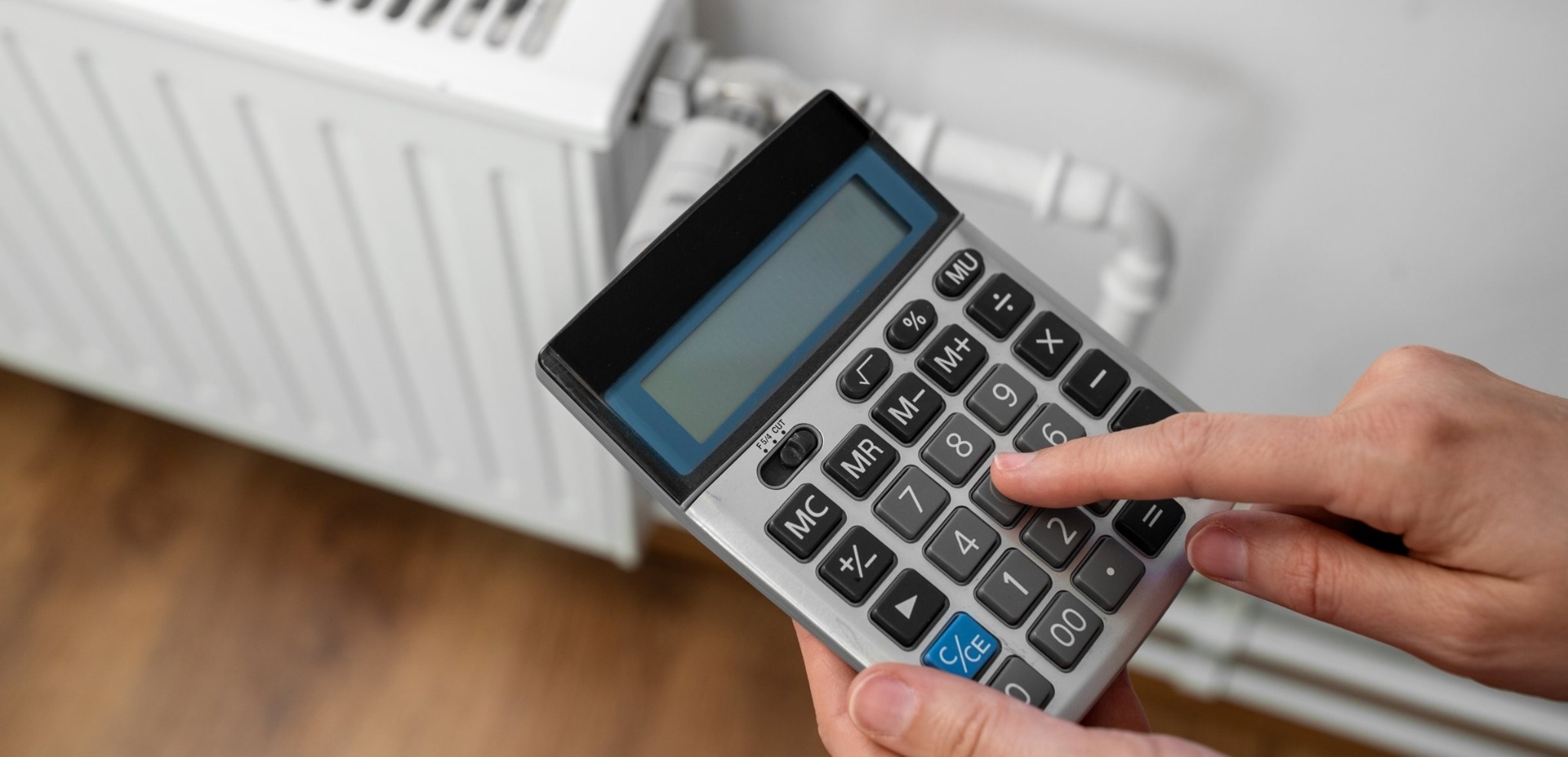
When the cold weather arrives, heating becomes one of the biggest energy expenses in the home. According to the OCU (Organisation of Consumers and Users), the average Spanish family spends €600 per year on heating alone, making the choice of efficient radiators key to reducing bills and protecting the environment. But which types of radiators consume the least? We review them here.
Water radiators: efficiency and comfort
Water radiators are the most common in central heating systems. They work by connecting to a boiler or a heat pump, which heats the water and distributes it through a closed circuit.
Advantages of water radiators
- High efficiency when combined with condensing boilers or air source heat pumps.
- Uniform heat distribution throughout the entire room.
- Long durability and low maintenance.
Consumption of a water radiator
This depends on the water temperature. Traditional models work at 70-80°C, while low-temperature radiators operate with water at 35-45°C, reducing consumption by up to 30-40%. They are ideal for renewable systems such as air source heat pumps or geothermal energy.
Electric radiators: convenience and control
Electric radiators are a practical solution for homes without wet central heating or for occasional use. Within this category, there are several options:
Conventional electric radiators
- Advantages: Simple installation, as no building work is required.
- Disadvantages: Consumption is high (their efficiency ratio is 1:1, meaning every electrical kWh converts to 1 thermal kWh).
They are useful for small rooms or mild climates, but not for intensive use.
Low-consumption electric radiators
These models incorporate technologies that optimise efficiency:
- Thermal emitters: made with ceramic or aluminium materials that accumulate heat and release it gradually, reducing the operating time.
- Oil radiators: they take longer to heat up, but they retain the heat even when they are switched off.
Advantages of low-consumption electric radiators
- They stand out for incorporating programmable thermostats and ECO mode.
- They have a high capacity for maintaining a stable temperature.
Consumption of a low-consumption electric radiator
Their average consumption is estimated at between 600W and 1,200W, depending on the size and power.
Low-temperature radiators: the most efficient option
Finally, we have low-temperature radiators, designed to operate with water at a lower temperature (35-45°C). These radiators reduce the effort required by the boiler and the overall energy consumption.
Types of low-temperature radiators
- Static: they work by natural convection, meaning hot air circulates naturally through the room without the need for fans. They are silent and offer uniform heat, although they take a little longer to reach the desired temperature.
- Dynamic: they incorporate silent fans that accelerate heat emission, achieving a faster and more even response. They are perfect for spaces that need to be heated quickly or for homes with high ceilings, as they help distribute heat efficiently.
Advantages of low-temperature radiators
- Their main advantage is energy savings, which can reach up to 35% lower consumption compared to traditional radiators.
- They are compatible with modern technologies, allowing for reduced bills and improved home sustainability.
- Uniform heat distribution, which avoids cold spots and provides superior thermal comfort.
Comparison of radiator types: which consumes the least?
| Radiator type | Efficiency | Ideal for |
|---|---|---|
| Conventional electric radiator | Low | Occasional use |
| Low-consumption electric radiator | Medium | Small flats |
| Oil radiator | Medium | Medium-sized rooms |
| Ceramic thermal emitter | High | Frequent use |
| Traditional water radiator | High | Homes with a boiler |
| Low-temperature radiator | Very high | Renewable systems |
Tips for reducing consumption
To get the most out of your radiators and reduce your bill, you can follow these recommendations:
- Match the heat output to the room
A rough calculation is 100W per m² in well-insulated spaces. If the room has poor orientation or inadequate insulation, slightly increase the power to prevent the radiator from overworking.
- Install programmable thermostats
A smart thermostat allows you to set schedules and temperatures, preventing the radiator from running longer than necessary. This way, you maintain comfort without wasting energy.
- Improve insulation
Double-glazed windows and well-insulated walls reduce heat loss, meaning less operating time and more savings.
- ECO mode and timers
Most low-consumption radiators include these functions. ECO mode adjusts the temperature to reduce spending, while timers allow you to program automatic switch-offs.
Which one should you choose for your home?
If you have central heating or an air source heat pump: choose low-temperature radiators, which work with cooler water and are more efficient.
If you are looking for a quick solution without building work: electric thermal emitters are the best option, easy to install and offering good performance.
For second homes or occasional use: oil radiators or portable electric heaters are practical and economical.
Choosing efficient radiators not only reduces energy spending, but also improves comfort and home sustainability. The most recommended models are those that combine advanced technology, good insulation, and smart control systems. Before deciding, analyse the characteristics of your property, how you will use the heating, and whether you can integrate renewable energies to achieve maximum savings and well-being.
Take a minute to find the product that best suits you:
{{firstStep.title}}
Take a minute to find the product that best suits you:
{{title}}
You don't need to adapt to Endesa's tariffs because they adapt to you. If you go to our catalogue you can compare the different tariffs for yourself. Or if you prefer, you can answer a few questions and we will take care of comparing all the different electricity and gas tariffs and then make a customised recommendation.
Take a minute to find the product that best suits you:
{{title}}
You don't need to adapt to Endesa's tariffs because they adapt to you. If you go to our catalogue you can compare the different tariffs for yourself. Or if you prefer, you can answer a few questions and we will take care of comparing all the different electricity and gas tariffs and then make a customised recommendation.
Comparison of Electricity and Gas Tariffs
You don't need to adapt to Endesa's tariffs because they adapt to you. If you go to our catalogue you can compare the different tariffs for yourself. Or if you prefer, you can answer a few questions and we will take care of comparing all the different electricity and gas tariffs and then make a customised recommendation.
Do you want to see all our offers?
Spend a minute to find the product which best adapts to you:
{{firstStep.title}}
Spend a minute to find the product which best adapts to you:
{{title}}
{{content.phone.title}}
{{content.phone.text}}
{{content.phone.phoneText}}
{{content.form.title}}
{{content.form.text}}
{{content.form.success.title}}
Spend a minute to find the product which best adapts to you:
{{title}}
{{content.phone.title}}
{{content.phone.text}}
{{content.phone.phoneText}}
{{content.form.title}}
{{content.form.text}}