


If you prefer to view the website always in english, click here.
{{content.phone.title}}
{{content.phone.text}}
{{content.phone.phoneText}}
{{content.form.title}}
{{content.form.text}}
{{content.form.success.title}}
Electric car leasing: a new way to go electric
Electric car leasing is gaining traction as an increasingly attractive alternative for those who want to switch to electric mobility. It brings together, in a single monthly payment, the vehicle, maintenance, insurance and, in some plans, even charging at home and on the public network. This simplifies the transition to zero-emission mobility for individuals and companies.
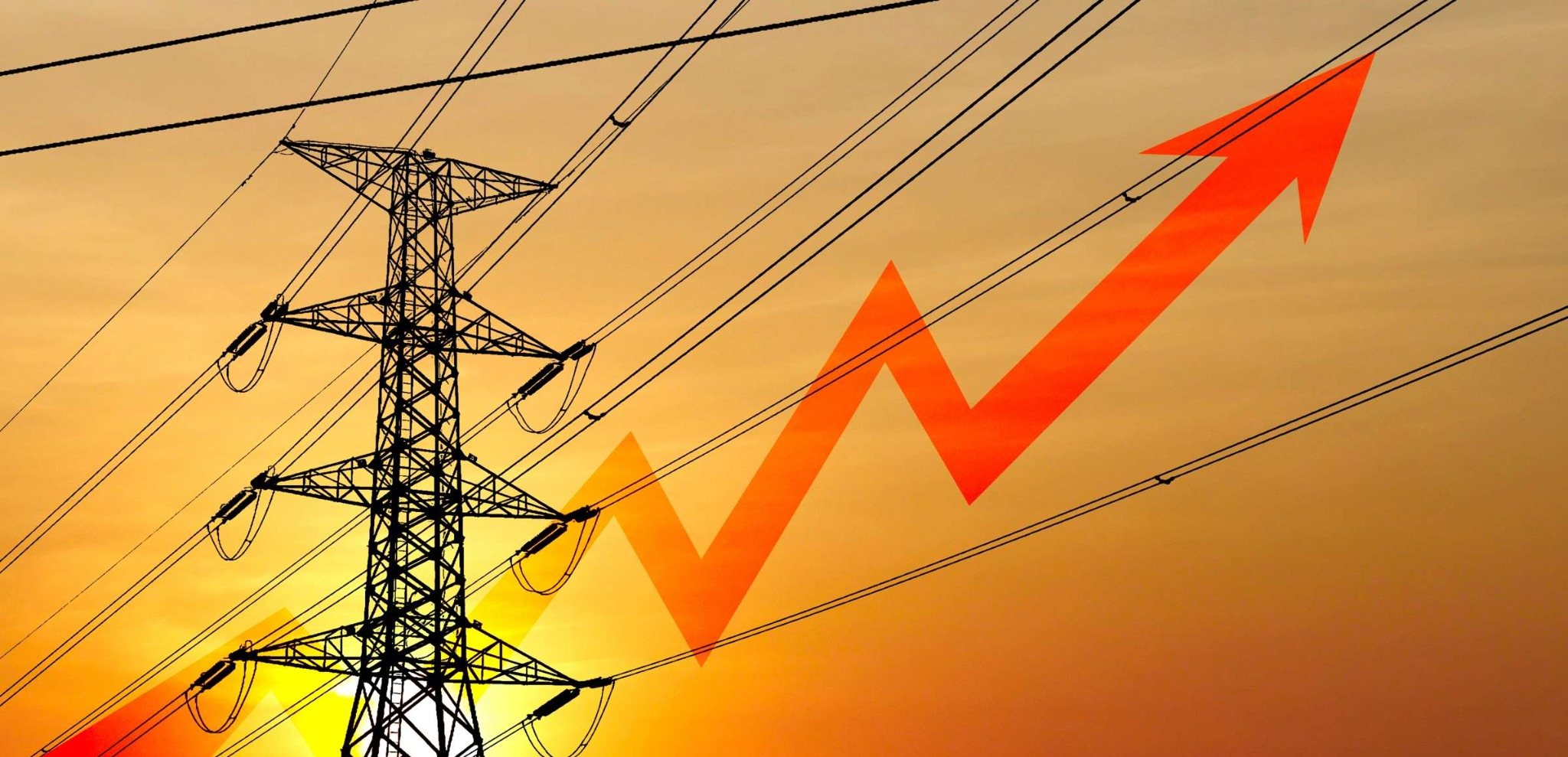
Winter is always a key period for understanding how electricity prices evolve. Temperatures drop, heating usage increases and renewable generation becomes more variable. All this makes the electricity market more sensitive to any meteorological or energy changes. Below, we analyse why this instability increases in winter, how cold snaps influence the situation and what factors will mark the evolution of prices in the coming months. We also tell you what you can do to protect your bill.
Why are electricity prices more unstable in winter?
Winter combines several elements that increase volatility in the electricity market:
- Higher energy demand, especially for heating.
- Fewer hours of daylight, which reduces solar production.
- Greater reliance on wind and water, which can vary greatly from one day to the next.
- Strained international markets, especially regarding natural gas, which remains key to fixing the marginal price during many hours.
All this causes prices to fluctuate more than in other seasons, even within the same day.
How do cold snaps affect electricity prices?
Cold snaps have a direct and very powerful effect on electricity prices because they alter demand and generation capacity simultaneously.
When temperatures drop suddenly, households need more heating and electricity consumption rises sharply. At the same time, renewable generation may decrease if the episode coincides with days of little wind or lower water availability in reservoirs, forcing the system to resort to more expensive technologies.
Furthermore, natural gas – key to generating electricity during many hours of the day – usually becomes more expensive because its use for heating also increases.
This is why the combination of higher demand and lower renewable supply usually translates into a price increase in the wholesale market, especially during hours of peak consumption.
What factors will determine electricity prices this winter?
Price behaviour this winter will depend on several key elements. Let's look at them one by one.
Increase in demand
In winter, electricity demand is usually between 10% and 20% higher than in milder months. If the cold is intense or prolonged, this increase can be even greater. The higher the demand, the more pressure on the system and the greater the probability of high prices.
Forecasted average temperatures
Seasonal meteorological models are becoming increasingly precise. If the winter is mild, demand moderates. If it is cold or very cold, prices tend to rise. Short cold snaps generate temporary spikes; however, prolonged ones can raise prices for weeks.
Renewable generation (wind, solar and hydro)
- Wind: This is the most decisive renewable source in winter. If there is wind, prices fall; if there isn't, they rise.
- Solar: Its contribution is lower due to the reduction in daylight hours.
- Hydro: This depends on reservoir levels and the water management strategy.
Therefore, a winter with wind and full reservoirs usually translates into lower prices.
Gas prices in international markets
Gas remains key to fixing the marginal price during many hours of the day. As we have seen previously, if gas goes up, electricity goes up; if gas goes down, electricity goes down.
The European winter is particularly delicate because several external factors can make energy more expensive. Geopolitical tensions can affect supply, stored gas levels determine if there will be enough for the whole season, and Asian demand competes for the Liquefied Natural Gas (LNG) arriving by ship. When any of these factors becomes critical, prices tend to rise more easily.
Reservoir levels
Hydroelectric power is one of the cheapest technologies in the system. If reservoirs are full, more hydro energy can enter the mix, lowering the price. If they are low, their contribution is reduced and the price rises.
Interconnection with France
Spain imports or exports electricity depending on the price in France. If France has problems (for example, nuclear shutdowns), it may demand more Spanish electricity, raising the price on the peninsula.
International geopolitical context
Conflicts, tensions in the Middle East, sanctions or logistical problems can affect gas and, by extension, the price of electricity. The European electricity market is very sensitive to these factors.
Is it normal for electricity to go up in winter? Comparison with previous years
Yes, it is normal. Over the years, winter usually shows higher prices than temperate seasons, although this does not always happen. There are winters where the price remains moderate when:
- There is a lot of wind and wind power contributes more energy.
- Reservoirs are full and hydro can produce at a good rate.
- Gas is cheap in international markets.
- Temperatures are mild and demand does not skyrocket.
Even so, winter remains the most unpredictable and volatile time of the year in terms of electricity prices.
When is electricity usually most expensive in winter?
The most expensive moments of the day usually concentrate in the early evening, specifically between 18:00 and 22:00, when the sun goes down and domestic consumption increases. It is also common for the early hours of the morning, around 07:00–10:00, to register high prices due to the start of daily activity. On days of intense cold, these bands can become even more expensive due to the increase in demand and the lower renewable contribution.
At Endesa, you can check the price of electricity by the hour clearly and with updates to know at what times of the day it is best to consume less or more energy.
How can this affect your bill this winter?
The way electricity prices affect you in winter depends largely on the type of tariff you have.
In the regulated tariff (PVPC), the price changes every hour, so you will notice daily rises and falls more, especially on days of intense cold.
If you have a fixed-price tariff, your bill will be more stable because you pay the same price for energy throughout the day, which protects you from specific market spikes.
And if you have a time-of-use tariff, you can reduce the impact of winter by taking advantage of off-peak hours, which are cheaper, to concentrate part of your consumption.
In any case, when temperatures drop significantly, the use of heating and other equipment increases, and that can raise your bill if you do not adjust your habits or improve efficiency at home.
What can you do to protect yourself from price rises?
Adapt the tariff to your habits
Choosing a tariff that fits your way of consuming energy is one of the simplest ways to save. If you tend to use more electricity at night or during hours of lower activity, a time-of-use tariff can help you pay less for the energy you actually use.
Adjusting your tariff to your day-to-day life allows you to make better use of cheaper bands and optimise your bill without changing your routines.
Use time bands to your advantage
In tariffs with differentiated schedules, each band has a different price and exploiting them well can help you save simply.
Off-peak hours are the cheapest, shoulder hours have an intermediate price, and peak hours are the most expensive of the day. If you shift consumption such as washing machines, tumble dryers or electric car charging to off-peak hours, you will notice a direct reduction in your bill without needing to change your habits completely.
Improve insulation without renovation work
Small gestures can help you keep the heat in your home better and reduce the need to use heating.
Placing draught excluders on doors and windows prevents cold from entering, thermal curtains help conserve the interior temperature, rugs reduce the feeling of cold on the floor, and closing rooms you are not using allows you to concentrate heat where you really need it.
Use efficient air conditioning systems
Having efficient equipment makes a big difference to your consumption during the winter. Modern heat pumps can consume up to 70% less than traditional electric radiators, offering more comfort with less energy. If you have an air source heat pump, it is ideal to keep it running continuously and stably, as it performs better this way than by constantly turning it on and off.
Avoid unnecessary consumption peaks
Reducing demand peaks also helps control the bill. Try not to use several powerful appliances at the same time, especially if you have a tight contracted power capacity. Spreading the use of these devices throughout the day prevents overloads and contributes to more efficient consumption.
Take a minute to find the product that best suits you:
{{firstStep.title}}
Take a minute to find the product that best suits you:
{{title}}
You don't need to adapt to Endesa's tariffs because they adapt to you. If you go to our catalogue you can compare the different tariffs for yourself. Or if you prefer, you can answer a few questions and we will take care of comparing all the different electricity and gas tariffs and then make a customised recommendation.
Take a minute to find the product that best suits you:
{{title}}
You don't need to adapt to Endesa's tariffs because they adapt to you. If you go to our catalogue you can compare the different tariffs for yourself. Or if you prefer, you can answer a few questions and we will take care of comparing all the different electricity and gas tariffs and then make a customised recommendation.
Comparison of Electricity and Gas Tariffs
You don't need to adapt to Endesa's tariffs because they adapt to you. If you go to our catalogue you can compare the different tariffs for yourself. Or if you prefer, you can answer a few questions and we will take care of comparing all the different electricity and gas tariffs and then make a customised recommendation.
Do you want to see all our offers?
Spend a minute to find the product which best adapts to you:
{{firstStep.title}}
Spend a minute to find the product which best adapts to you:
{{title}}
{{content.phone.title}}
{{content.phone.text}}
{{content.phone.phoneText}}
{{content.form.title}}
{{content.form.text}}
{{content.form.success.title}}
Spend a minute to find the product which best adapts to you:
{{title}}
{{content.phone.title}}
{{content.phone.text}}
{{content.phone.phoneText}}
{{content.form.title}}
{{content.form.text}}