


Nuclear energy: yes, please
The Catalan industry faces the challenge of decarbonisation through electrification to meet European climate targets. The delay in renewable energies and the planned closure of nuclear power plants threaten the electricity supply, industrial competitiveness, and energy sovereignty.
By Salvador Sedó Alabart
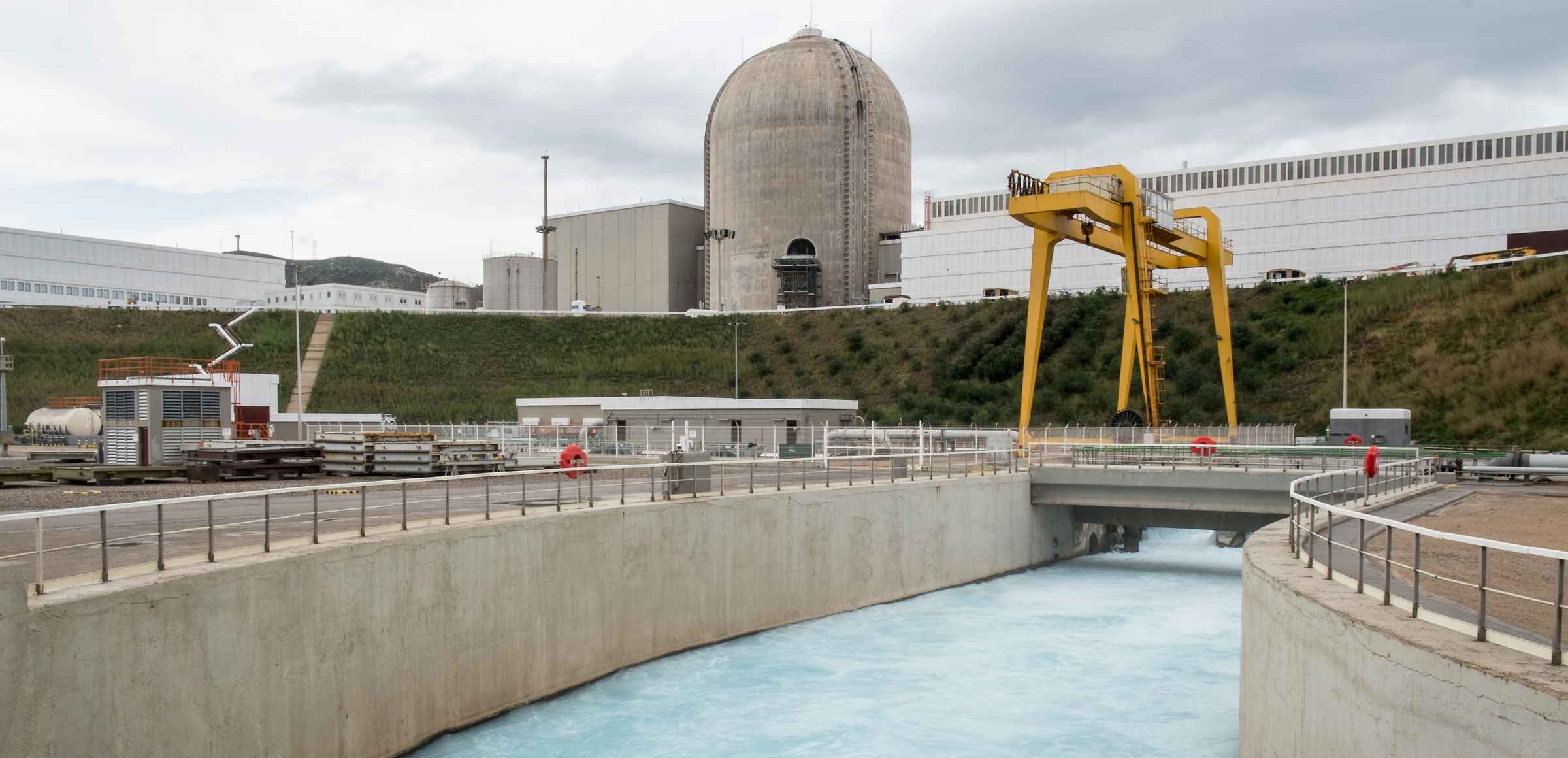
One of the great challenges facing Catalan industry is the need to decarbonise production systems to reduce emissions and meet the European climate neutrality target by 2050. To achieve this, the energy sources used in production must be of renewable origin – solar photovoltaic or wind for electricity generation, as well as renewable gases (biomethane, biogas, syngas, or hydrogen) for thermal energy production. And in the case of electricity generation, we must consider the contribution of nuclear energy to the energy mix, which, despite not being considered a renewable energy, is a non-greenhouse-gas-emitting technology. And this is where the aforementioned challenge becomes a problem.
Meeting the planned renewable targets?
At a time when we are talking about strategic autonomy in the European Union, we can say that, in the energy sphere, Catalonia may lose its energy sovereignty and autonomy. We have missed the boat on the rollout of renewable energies. No matter how many ambitious plans are developed, we will not be able to meet the European targets or those established in the 2050 Energy Prospect (PROENCAT) drawn up by the Catalan Government.
To meet PROENCAT's targets, we would need to install 1,500 MW of renewable energy every year between now and 2030. In recent years, an average of 25 MW has been installed annually. Does anyone believe it is feasible to meet these parameters?
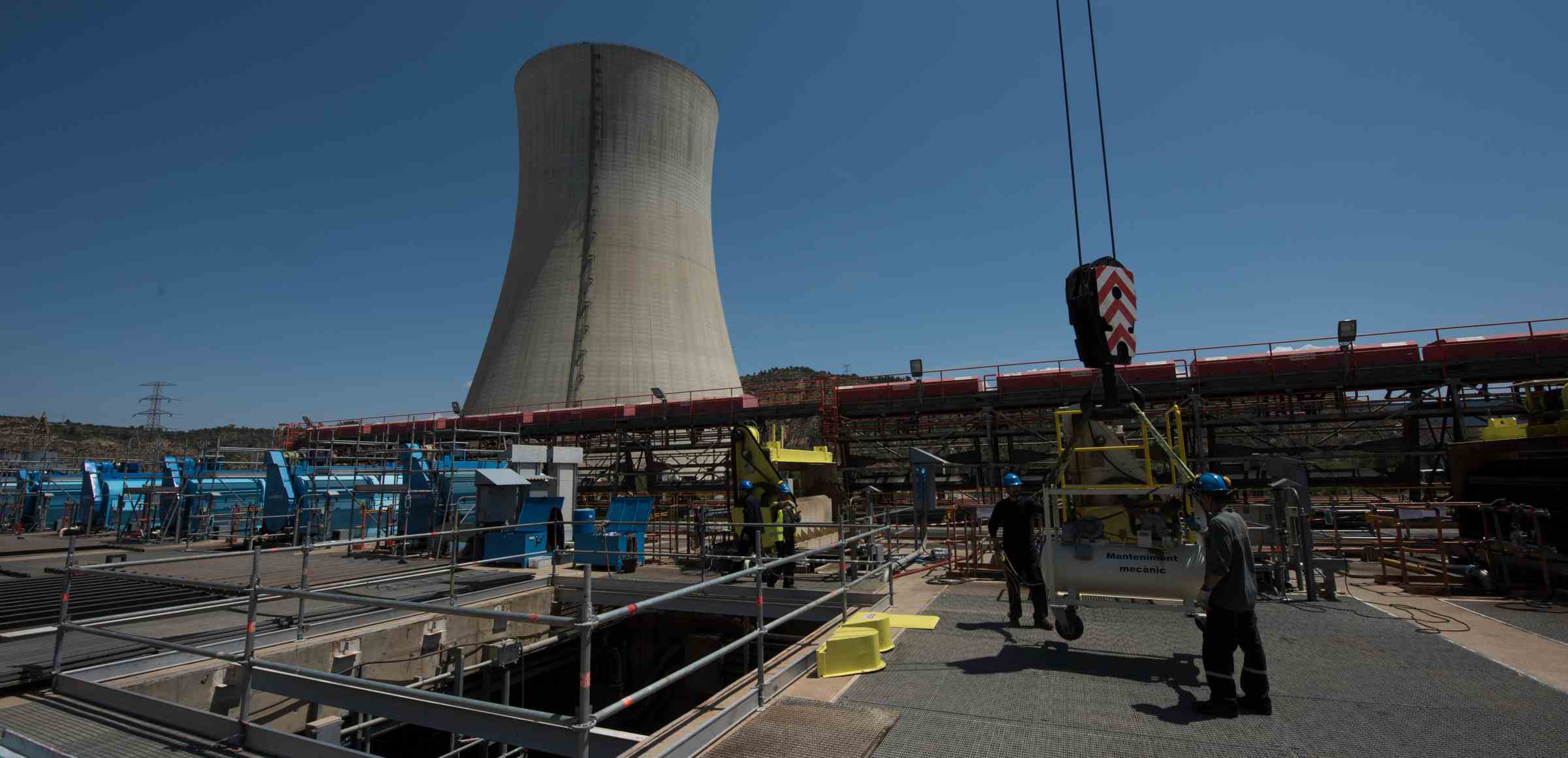
What do nuclear power plants mean for Catalonia?
In parallel with this, the Catalan administration maintains its intention to close the three nuclear reactors currently operating in Catalonia, which provide 'only' 60% of electricity generation. Hardly insignificant.
Extending the operating cycle of Catalan nuclear power plants by 10 years (a standard operating cycle) would reduce Catalonia's electricity bill by €5,400 million over this period, guarantee jobs for more than 10,000 people, and prevent a €900 million drop in GDP due to the synergies generated with other industrial sectors. Hardly insignificant.
We could add that the electricity transmission grid system, which would allow us to import energy from other territories, is not up to the standard required by the Catalan industrial sector.
What does nuclear energy provide?
Globally, nuclear energy is positioned as a fundamental vector in energy policies due to its ability to guarantee supply, facilitate energy independence or sovereignty, offer competitive costs, and, environmentally speaking, be carbon-free. Nuclear energy is a key element in ensuring the energy transition, the decarbonisation of the economy, and the fight against climate change. Despite these facts, the Catalan and Spanish administrations are pressing ahead with their nuclear closure plan.
As Catalonia's main employers' association, we at Foment del Treball have expressed our categorical opposition to the nuclear closure. Closing the three nuclear power plants means delaying the decarbonisation of industry and, therefore, the reduction of emissions – a major European target in climate change policies. Can we remind our leaders that nuclear energy is a non-carbon-emitting technology?
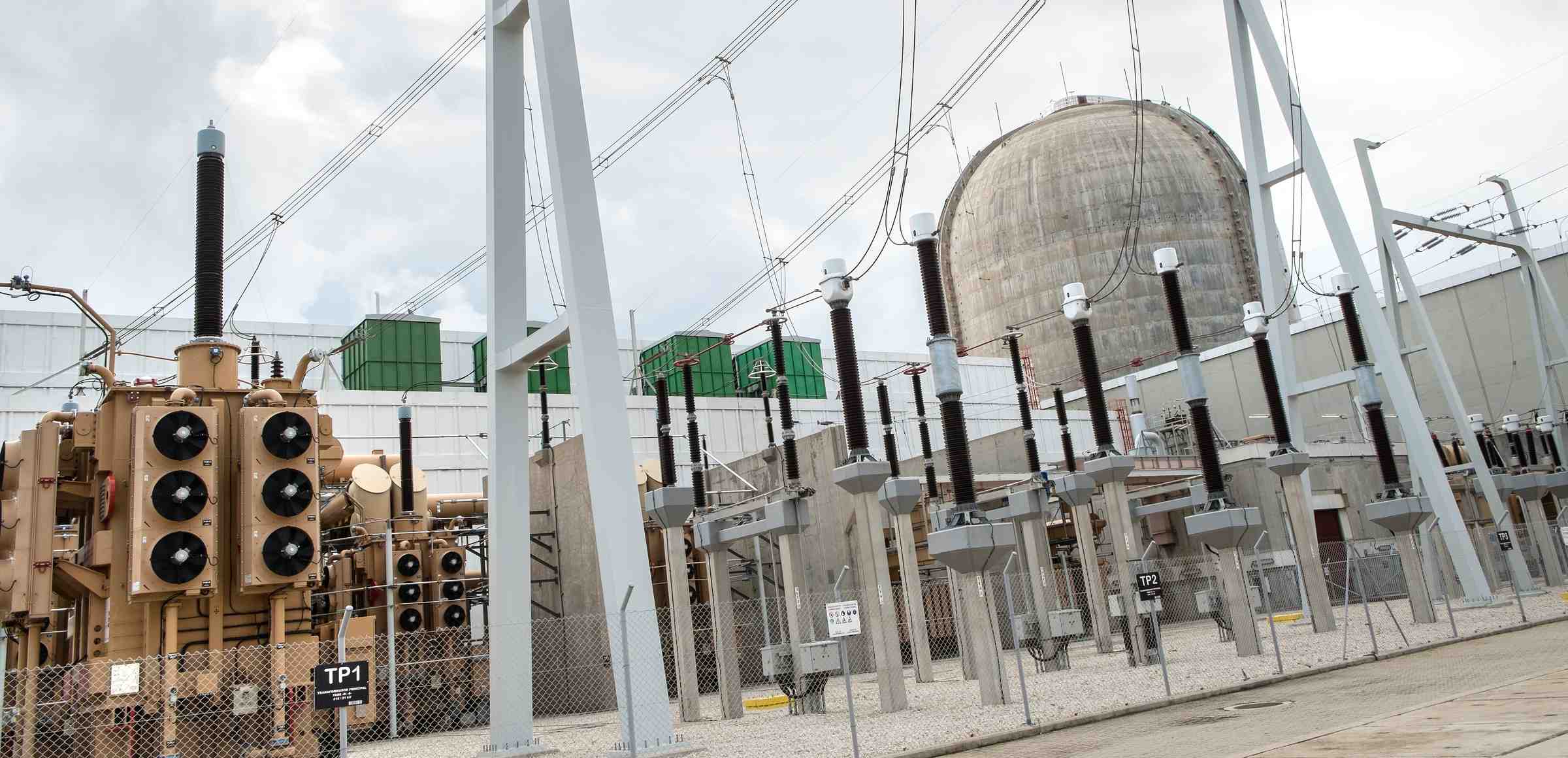
What are other countries doing with nuclear power plants?
Across the planet, there is a renaissance of nuclear energy. Investments in new reactors and the development and rollout of Small Modular Reactors (SMRs) – modular reactors with up to 300 MW of power capacity – save time and construction costs. They can also be deployed gradually to adjust to growing energy demand with a lower impact on the local landscape.
Germany acknowledges the mistake of its nuclear phase-out years ago, but faces technical difficulties in reversing the reactor closures. Spain is moving in the opposite direction to the rest of the world, and we are no longer talking about investing in new plants, but closing those currently in operation. Let's not make Germany's mistake, as there is still time.
Yet, the administration is doing so based on an ideological argument. Energy policy cannot be made from an ideological standpoint, but rather a technological and pragmatic one.
In Catalonia, guaranteeing the electricity supply means keeping the three nuclear power plants operational beyond their scheduled closure dates. We cannot afford to give up nuclear energy.
Without nuclear energy, Catalonia cannot decarbonise its economy or maintain its energy-intensive industry.
Without nuclear energy, Catalonia cannot attract new industrial investments.
Therefore, we must state clearly and firmly: NUCLEAR ENERGY: YES, PLEASE.