


“It is necessary to drive the energy transition in Portugal”
Portugal has many natural resources (sun, wind, and water) to achieve a successful energy transition. However, it faces constant challenges to ensure a sustainable future aligned with European objectives.
By Guillermo Soler Calero

Portugal is a European benchmark in the use and production of renewable energy, with an ambitious strategy in the sector. However, there is still much to be done in relation to the European Green Deal, which seeks a break from the economic model of recent years.
The European Green Deal is a package of policy initiatives aimed at placing the EU on the path toward a green transition, with the ultimate goal of achieving climate neutrality by 2050.
Some specific challenges and opportunities for renewable energy in Portugal include:
- Energy transition: The country began its energy transition around a decade ago, with major investments in wind and solar. This allowed Portugal to become the first European country without electricity generation from coal (after the closure of the Pego thermal power plant —partially owned by Endesa— in November 2021).
- Decarbonization: Europe has ambitious decarbonization targets for 2030, aimed at reducing greenhouse gas emissions. Portugal is aligned with this goal, projecting reductions of between 50% and 60% by 2030.
- Licensing procedures: In Portugal, simplifying the licensing process for an electricity generation facility is difficult, largely due to the increasing complexity of environmental and municipal permitting processes.
- General challenges: Additionally, there are common challenges renewable energies face, such as the need for infrastructure investment, difficulties with planning and permitting, limitations in storage solutions, and the complexity of supply chains.
In summary, Portugal has a strong position thanks to its natural resources (sun, wind, and water) and its leadership in the energy transition. However, it faces ongoing challenges to secure a sustainable future aligned with European objectives.
Within the United Nations framework, Portugal committed to achieving carbon neutrality by 2050. It approved the 2050 Roadmap for Carbon Neutrality (RNC 2050), setting a target of 51% for the share of renewable energy in gross final energy consumption by 2030 (latest PNEC 2030 revision), compared to the previous 47% target. This reflects the strategic commitment to renewables and their potential to attract investment, using 2005 as a reference year.
Resolution 50/2024 of the Council of Ministers created the Mission Structure for the Licensing of Renewable Energy Projects 2030 (EMER 2030). This structure is responsible for consolidating the legal framework and implementing the licensing of renewable energy and electricity storage projects, empowering the public administration through training and the development of a digital one-stop shop for licensing procedures.
“The Government is prioritizing the acceleration of authorization processes for investment projects, especially in the field of renewable energy, as a way to boost the economy and combat climate change,” said the Minister of Environment and Energy, Maria da Graça Carvalho.
Endesa’s commitment to the energy transition in Portugal
The history of Endesa in Portugal reflects our growth and evolution as a company at the forefront of the energy sector. Endesa has been present in Portugal’s liberalized market for two decades. As a relevant milestone, I highlight our consolidation as the second-largest operator in the Portuguese energy market (after the incumbent). A leading position both in number of customers and in the volume of energy supplied in retail (B2B and B2C). In retail, we have maintained continuous presence in the Portuguese market for more than 20 years.
We played a “founding” role: as pioneers in the liberalization of the electricity market, entering successfully into the business segment by leveraging the experience acquired during the liberalization of the Spanish market. The commitment to Portugal is also evident in the fact that Endesa is the main energy supplier for central public administration services, as well as for regional and local administrations.
A significant milestone I want to highlight is that we are the energy company in Europe that has most rapidly grown a B2C portfolio as a new entrant, exclusively through organic growth, without purchasing customer portfolios. We grew for several reasons: due to market differentiation through the launch of innovative tariffs, our positioning in digitalization, and the savings we offer our customers.
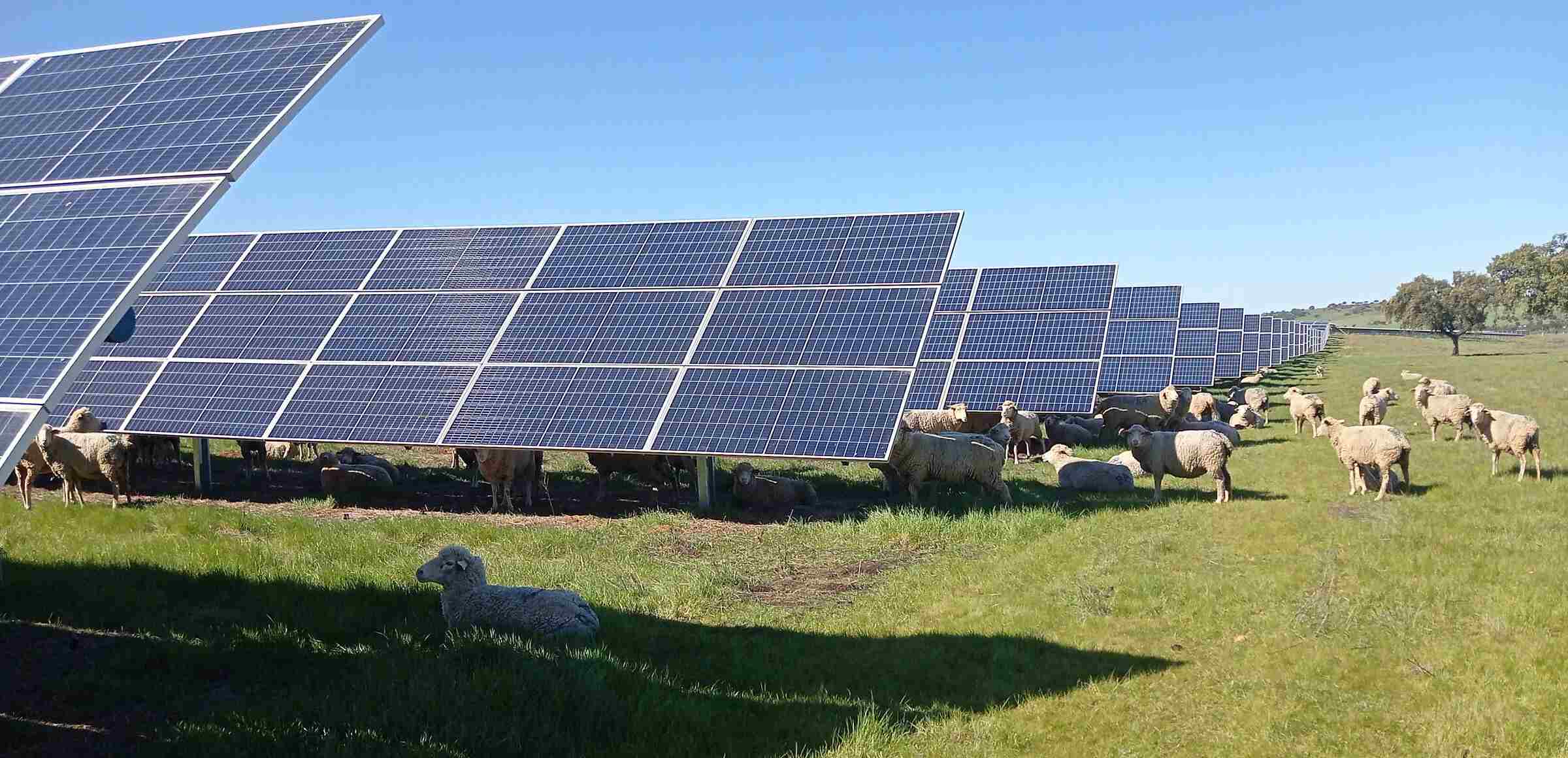
In electricity generation, we have been present in Portugal since 1993. We operate the Pego natural gas combined-cycle plant in Abrantes (through the companies Elecgas and Pegop), which was responsible for generating 7% of Portuguese electricity demand in 2023. Additionally, we are developing a portfolio of 1 GW of renewable energy and energy storage projects with grid access and connection granted through auctions.
I would like to highlight the Pego hybrid renewable project. It was the winner of the Just Transition auction (March 2022) convened by the Portuguese Government after the closure of the old Pego coal-fired power plant, also partly owned by Endesa, which marked the definitive end of coal-fired electricity generation in Portugal.
Endesa secured a connection right of 224 MVA to install 365 MWp of solar energy, 264 MW of wind energy, with integrated storage of 168.6 MW and a 500 kW electrolyser for the production of green hydrogen. The project includes the largest renewable energy storage battery in Europe and will have a significant impact on the local economy and employment.
It will involve an investment of 700 million euros. In addition to developing renewable projects, Endesa has presented a plan involving all local stakeholders, creating a tailored economic and social development plan for the region, including the creation of 75 permanent direct jobs, 14 of which have already been created during the licensing phase. We have also launched the Rural School of Sustainable Energy, which has trained more than 300 people since its inception in 2023 (1,715 hours of training delivered).
The renewable projects underway reflect Endesa’s strong commitment to the energy transition and its support for renewable energies in Portugal.