If you prefer to always view the website in English, please click here.
The biggest energy hog in your home isn't the oven – it’s this
Many households in Spain make the same mistake when reviewing their electricity bill: blaming the oven as the main driver of energy consumption. However, the appliance that really makes the difference in what you pay at the end of the month is the one that stays on 24 hours a day, even during peak electricity demand hours in Spain.
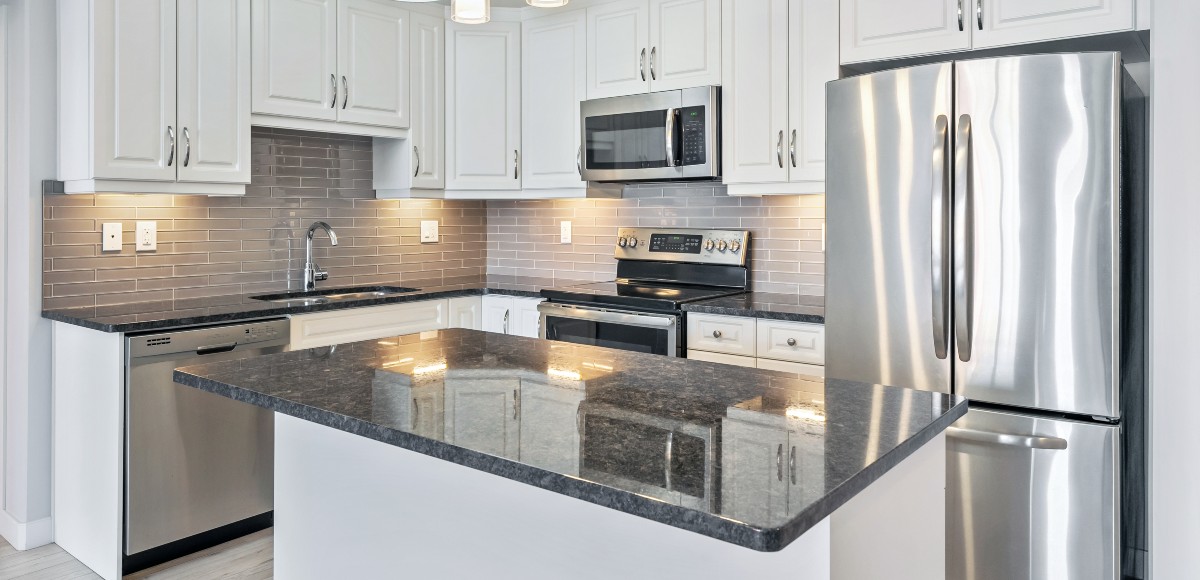
The refrigerator comes first in a household’s annual energy consumption, ahead of the electric water heater and air conditioning. The difference is not its maximum power, but the sheer amount of time it remains connected to the grid and how it silently influences daily consumption without us really noticing.
Why power isn’t everything: the usage time factor
To understand your electricity bill, it’s essential to distinguish between rated power (kW) and actual consumption (kWh). Power refers to the amount of energy an appliance needs to operate safely under normal conditions, while consumption is that power multiplied by the time it is used.
The formula to calculate the real consumption of each household appliance is simple:
(W / 1,000) × hours of use = kWh.
When comparing the oven and the refrigerator, it is true that the oven has a high power rating of around 1,200–3,000 W. However, if it is used for a couple of hours per week, its annual consumption is about 150 kWh. On the other hand, the refrigerator has a more moderate power rating of between 200 and 400 W, but since it runs 24 hours a day all year round, it can account for around 2,600 kWh per year.
Ranking: the 7 appliances that consume the most electricity in a Spanish household
Knowing that the average electricity consumption of a Spanish household is around 3,500 kWh per year according to the IDAE is the first step to optimise savings. Below is the ranking of the 7 highest electricity consumers in a home:
|
Consumer |
Estimated average annual consumption* |
Approximate annual cost* |
|---|---|---|
|
Fridge |
650–700 kWh per household |
€73.78–€79.45 |
|
Lighting |
400–500 kWh per household |
€45.40–€56.75 |
|
Standby |
300–350 kWh per household |
€34.05–€39.73 |
|
Washing machine |
250–300 kWh per household |
€28.38–€34.05 |
|
Dishwasher |
250–300 kWh per household |
€28.38–€34.05 |
|
Computer |
200–250 kWh per household |
€22.70–€28.38 |
|
TV |
150–200 kWh per household |
€17.03–€22.70 |
* Cost estimate calculated based on the current price of the Light 24h Online Tariff, with a 20% discount applied during the first year (€0,124571/kWh). Consumption data based on the official report from the Spanish Ministry for the Ecological Transition and the Demographic Challenge (MITERD) on residential energy consumption in Spain for 2025.
The refrigerator: the silent energy consumer we tend to ignore because it is always on
Found in 99.6% of households, the refrigerator is the only appliance that runs continuously. An efficient model can save you around €52 per year compared to older units. That’s why it’s essential to understand the new A–G energy label system for appliances, where class A replaces the former A+++ rating.
Additionally, it's best to avoid habits that force your fridge's motor to work harder, such as putting hot food inside.
The electric water heater: the most notable omission from the ranking (and the one that may surprise you the most)
In homes without natural gas, an electric water heater for domestic hot water (DHW) can become a major energy consumer that often goes unnoticed, accounting for up to 7.4% of a household’s total energy consumption.
A 100-litre water heater for two people can cost up to €180 per year to run. Setting a timer to heat water only when needed, or during off-peak tariff hours, is one of the most effective saving strategies.
Air conditioning: the appliance that drives up your electricity bill in summer
Although its annual share is around 7.5%, air conditioning concentrates most of its impact during the hottest months. Figuring out the real energy consumption of your air conditioner in summer is essential if you want to reduce it.
For example, keeping it at 27°C ensures comfort, whereas every degree lower increases energy consumption by 8%. It is also recommended to schedule air conditioning use during off-peak hours to reduce costs, or to take advantage of cooler night-time temperatures.
Washing machine, dryer and dishwasher: the appliances you can shift to cheaper hours
These appliances account for almost 25% of total electricity consumption. The washing machine, which represents 11.8% of consumption, uses 90% of its energy to heat water, so washing in cold-water cycles is essential to maximise savings.
If you have a time-of-use tariff, these are the perfect appliances to schedule during the most affordable time slots, unlike the refrigerator, which runs 24/7.
TV and computer: less to blame than they seem
The television accounts for 12.2% of electricity use, but LED screens consume 25% less energy than LCD ones.
However, the real issue is standby consumption, the energy you don’t see but still pay for. This can cost up to €5 per month. In fact, the router is the most expensive device in standby mode, wasting up to €11.91 per year if it is never switched off.
Do you know how much energy your cooking uses?
Checking the real consumption of air fryers, microwaves, and other small kitchen appliances is essential to choose the most efficient cooking method. For example, a 1,000 W air fryer used for 15 minutes per day consumes only 7.5 kWh per month, much less than a conventional oven.
Where to act first to notice a difference in your bill
To see a real change in your next electricity bill, follow this order of priority:
- Analyse efficiency: check if it pays to replace an old appliance with a more efficient one. Investing in an A-class refrigerator pays off over time.
- Eliminate standby consumption: use switched extension leads to turn off the router and TV at night.
- Shift consumption: schedule the washing machine and electric water heater during off-peak hours.
- Use your Customer Area: monitor your actual kWh usage per hour to detect unexpected consumption peaks.
FAQ
Which appliance consumes the most electricity per year in a Spanish home?
The refrigerator, because it runs 24 hours a day without interruption.
How much does it cost to keep a refrigerator running all year?
An old refrigerator consuming around 700 kWh could cost about €79.45 per year. An A-class model can lower that figure significantly.
Does an electric oven consume a lot of energy
Ovens generally have a high power rating (1,500–2,000 W), but they are used for relatively few hours per year. Their actual annual consumption is typically lower than that of a refrigerator, washing machine, or water heater.
Which appliances are worth shifting to cheaper time slots?
Those with the highest consumption per cycle: washing machine, dishwasher, dryer, and electric car charging.
{{content.phone.title}}
{{content.phone.text}}
{{content.phone.phoneText}}
{{content.form.title}}
{{content.form.text}}
{{content.form.success.title}}
Comparison of Electricity and Gas Tariffs
You don't need to adapt to Endesa's tariffs because they adapt to you. If you go to our catalogue you can compare the different tariffs for yourself. Or if you prefer, you can answer a few questions and we will take care of comparing all the different electricity and gas tariffs and then make a customised recommendation.
Do you want to see all our offers?
Spend a minute to find the product which best adapts to you:
Discover the rate that best suits your consumption profile with our smart recommender
Spend a minute to find the product which best adapts to you:
Discover the rate that best suits your consumption profile with our smart recommender
{{content.phone.title}}
{{content.phone.text}}
{{content.phone.phoneText}}
{{content.form.title}}
{{content.form.text}}


