2026 Auto+ Plan: new grants for electric vehicles
If you have bought or are planning to buy an electric or plug-in hybrid vehicle, you can now benefit from the new Auto+ Plan. The programme, which replaces MOVES III, came into effect on 21 July 2026, and applications for the grants have been open since 4 August. There is one important point to note: the Auto+ Plan applies retroactively to purchases made from 1 January 2026.

2026 Auto+ Plan: four key points

The new grant programme to support electric mobility
The Auto+ Plan replaces MOVES III and offers grants for the purchase of electric and plug-in hybrid vehicles. The programme came into effect on 21 July 2026 and applications for the grants have been open since 4 August.

Grants of up to €4,500 for passenger cars
The maximum grant for purchasing a car is €4,500. For vans and light commercial vehicles, the grant can be up to €5,000, while the maximum for motorcycles is €1,100. The final amount depends on the programme's criteria, including the type and price of the vehicle and whether it was manufactured in Europe.

Purchases made from 1 January 2026
The Auto+ Plan applies retroactively, meaning that grants apply to vehicles purchased from 1 January 2026, provided they meet the programme's requirements.

Purchase, leasing or contract hire of electric vehicles
The grants cover outright purchases, leasing and contract hire. Eligible vehicles include battery electric vehicles (BEVs), plug-in hybrid electric vehicles (PHEVs) with an electric range of at least 40 km, and electric motorcycles. The Auto+ Plan does not provide grants for the installation of charging points.
How is the Auto+ Plan grant calculated?


How to apply for the Auto+ Plan grant
Applying for the 2026 Auto+ Plan grant will be an online process. Before you start, check that the vehicle meets the programme's requirements and gather all the necessary purchase documentation. Applications can be submitted once the official call for applications opens.

1. Check that the vehicle meets the requirements
Before buying the car, check that it has a ZERO emissions label and does not exceed the maximum price set by the programme. You should also check that the model meets the Auto+ Plan requirements, as not all electric vehicles qualify for the same amount of grant.

2. Buy the vehicle
Vehicles purchased from 1 January 2026 are eligible for the grants, provided they meet the programme's requirements. Self-employed professionals and companies can also apply for the Auto+ Plan through certain leasing or contract hire arrangements.

3. Keep all the documentation
Keep the purchase invoice, proof of payment, vehicle technical specifications and registration certificate. You'll need these documents to demonstrate that the purchase meets the grant requirements and to complete the application correctly.

4. Submit your application
Once the application period opens, you can apply for the Auto+ Plan grant online through the Ministry's official platform. You can submit the application yourself or authorise a representative or dealership to submit it on your behalf.
How much can you receive?
The final grant will depend on three factors: the type of vehicle, its price and where it was manufactured.
Up to €4,500 for private individuals
If you buy an electric car that meets the Auto+ Plan requirements, you can receive a grant of up to €4,500.

The vehicle must have a ZERO emissions label.
Its price must not exceed €45,000 before tax.
The dealership must also provide a minimum discount of €1,000.
Self-employed professionals and SMEs: up to €6,000
If you buy a car that meets the 2026 Auto+ Plan criteria, you can receive a grant of up to €6,000.
Self-employed professionals can apply for grants for up to three vehicles.
Companies with up to ten employees can apply for grants for up to ten vehicles.
They can also access leasing or contract hire options that meet the requirements.
Grants for other electric vehicles
The Auto+ Plan also includes grants for the purchase of electric vans, motorcycles and quads.
Vans can receive up to €5,000.
Electric motorcycles can receive up to €1,100.
Electric quads can receive up to €1,500.
Up to €7,500 for certain vans.


What you need, when you need it
Your electricity tariff, home charger, electric vehicle leasing and information on available grants. Everything you need in one place, with no hassle.


Recarga en Casa Tariff
A tariff optimised for overnight charging at home. Pay less for every kWh you charge.

Electricity Tariff + Waybox Charger
Our most popular combination. An optimised tariff with a home charging point plus installation.

Charger only
You’ve already chosen your tariff and just need to install the charging point. From €1,099 including installation.

Electric vehicle leasing
Drive an electric car with everything included in your monthly payment.
Electricity Tariff + Waybox Charger
Our most popular combination. An optimised tariff with a home charging point plus installation.

Auto+ Plan
Everything you need to know about the Auto+ Plan, the Spanish Government's grant scheme for purchasing electric and plug-in hybrid vehicles.

Waybox charger
Have your Waybox home charger installed with expert advice from our team.

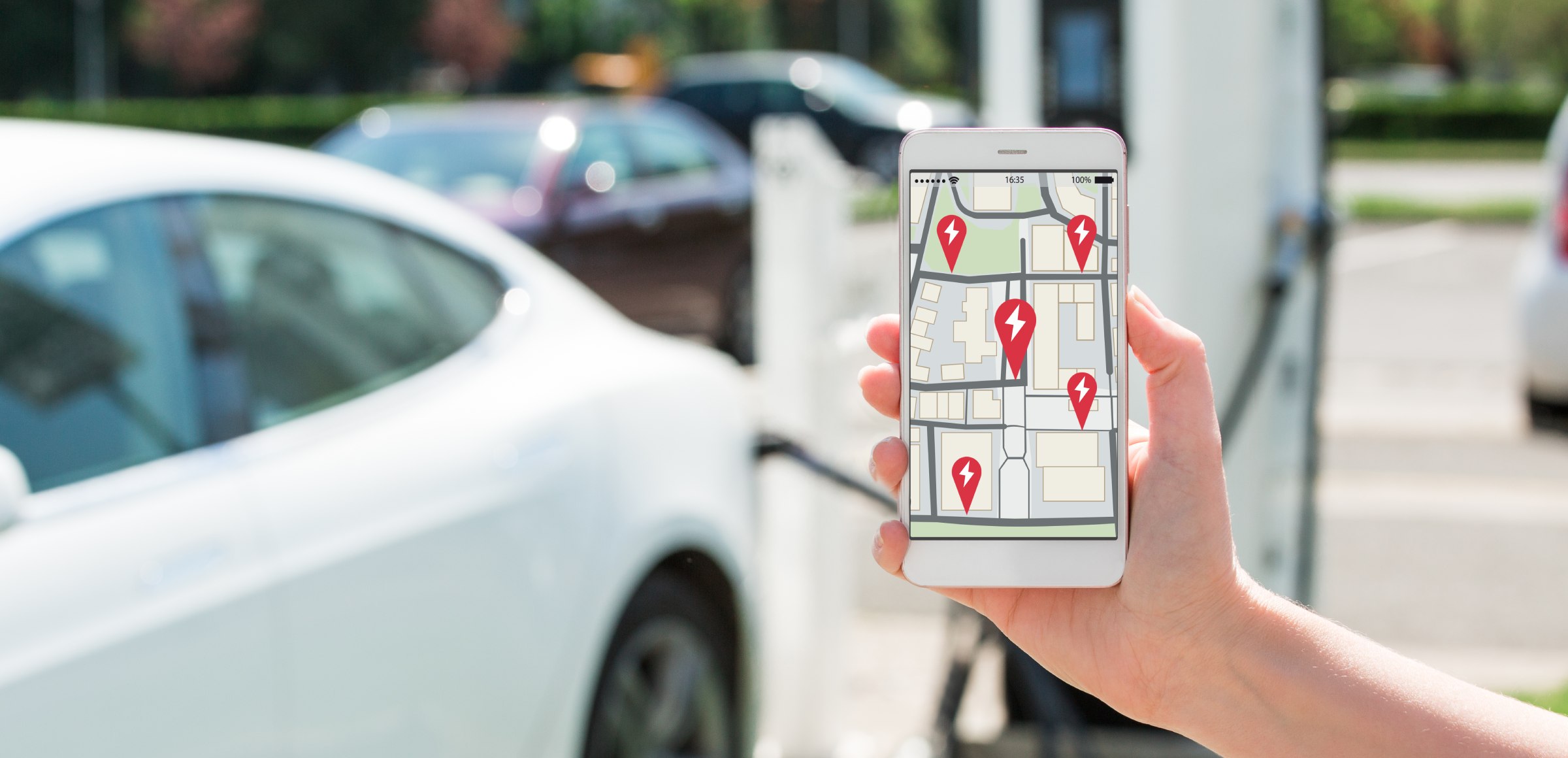
Public charging
Use the Endesa On Your Way App to access our public charging network with a 20% discount.
Auto+ Plan
Everything you need to know about the Auto+ Plan, the Spanish Government's grant scheme for purchasing electric and plug-in hybrid vehicles.
Before buying the vehicle


Stay up to date on electric mobility
Discover tips, guides and the latest news to make the most of your electric vehicle, optimise your charging and drive more efficiently.
FAQs
Who can apply for the Auto+ Plan?
You can apply for the 2026 Auto+ Plan if you are a private individual, a self-employed professional or a company and purchase a vehicle that meets the programme's requirements.
Private individuals can apply for the grant for one vehicle. Self-employed professionals can apply for up to three vehicles, while companies can apply for up to ten.
You can also apply if you bought the vehicle from 1 January 2026, provided it meets the requirements.
Which cars are eligible for the Auto+ Plan grant?
Vehicles with a ZERO emissions label that meet the maximum price limit are eligible for the grant.
The programme includes:
- Electric cars;
- Plug-in hybrids;
- Fuel-cell vehicles;
- Extended-range electric vehicles.
Some vehicles previously registered by a dealership may also be eligible. Not all electric cars qualify for the same level of grant, so it is advisable to check the model before buying it.
What requirements must the car meet?
The car must have a ZERO emissions label and cost no more than €45,000 before tax.
The amount you receive will also depend on the vehicle's technology, its price and whether it was manufactured in Europe.
I would not include a fixed list of brands, as it could become outdated. It is more useful to link to the official list of eligible vehicles once it becomes available.
How much can I receive under the Auto+ Plan?
If you are a private individual, you can receive up to €4,500 to buy a car. Self-employed professionals and companies with up to ten employees can receive up to €6,000.
These are the maximum amounts. The final grant will depend on the vehicle you choose, its price and where it was manufactured.
In addition, when purchasing cars and vans, the dealership must provide a minimum additional discount of €1,000.
How is the Auto+ Plan grant calculated?
The grant is calculated based on three factors:
- the type of vehicle;
- its price;
- whether it was manufactured in Europe.
A battery electric vehicle can receive a higher percentage than a plug-in hybrid. More affordable vehicles and those manufactured in Europe can also qualify for an additional percentage.
This is why not all cars with a ZERO emissions label receive the maximum amount.
Do I have to hand in my old car to receive the grant?
No. You do not have to scrap an old car to apply for the Auto+ Plan.
Trading in a vehicle does not increase the amount of the grant either. This is one of the main changes compared with previous programmes.
How do I apply for the Auto+ Plan grant?
Applications can be submitted online once the programme's official platform opens.
You can submit the application yourself or authorise someone else to submit the application on your behalf. Some dealerships may also be able to help you prepare and submit your application.
The grant should not be understood as an automatic discount applied when you sign the purchase agreement.
Can I finance the car or buy it through leasing or contract hire?
Yes, you can finance the purchase of the vehicle provided the programme's requirements are met.
Leasing is also covered. Contract hire is available to self-employed professionals and companies, provided the agreement meets the established requirements.
Before signing, it is advisable to confirm with the financial institution or hire company how the grant will be applied.
Can I combine the Auto+ Plan with dealership discounts?
Yes. You can benefit from any commercial discounts offered by the manufacturer or dealership.
In addition, for cars and vans, the dealership must provide a minimum discount of €1,000, separate from the public grant.
Whether the grant can be combined with other subsidies will depend on the conditions of each programme.
When can I apply for the Auto+ Plan?
The grants cover purchases made from 1 January 2026.
The date from which applications can be submitted will be announced when the official call for applications is published and opened. Until then, it is important to keep the invoice, proof of payment and vehicle documentation.
Which models are covered by the Auto+ Plan? Are all new electric cars eligible?
The vast majority of new EVs and PHEVs sold in Spain today are covered by the Auto+ Plan. Among the most popular are:
- Pure electric vehicles (BEVs): Tesla Model Y, Volkswagen ID.4, Kia EV3, Hyundai IONIQ 6, Renault 5 E-Tech, Peugeot e-208, BYD Atto 3, BYD Dolphin, Seat Born, Skoda Enyaq and many more.
- Plug-in hybrids (PHEVs): Toyota RAV4 Plug-in, Volkswagen Golf GTE, BMW 330e, Peugeot 308 Hybrid, CUPRA Formentor e-Hybrid and others.
What is not included: non-plug-in hybrids (HEV, such as the Toyota Yaris Hybrid), gas vehicles (LPG, CNG), and second-hand vehicles.
If you have doubts about a specific model, the dealership itself can confirm whether it is part of the programme before you begin negotiations.
Can I install the charger in a communal parking area?
Yes. Since 2019, Spanish legislation has recognised the right of the owner of a communal parking space to install a charging point. You simply need to notify the president or property manager of the residents' association in writing. There is no need for a vote at a meeting or approval from the residents' association.
Can I claim tax relief for installing a charger on my tax return?
You can claim tax relief for part of the cost of installing a charging point if you meet the current tax requirements.
The deduction is separate from the Auto+ Plan. To claim it, you must keep the invoice and pay using a traceable method, such as a card or bank transfer.
Can I sign up for a charging tariff and buy a charger if I apply for the Auto+ Plan?
Yes. The Auto+ Plan helps reduce the cost of purchasing the vehicle, while an electricity tariff and a home charger allow you to charge it at home.
They are separate solutions, so you can sign up for the Recarga en Casa Tariff or install a charger while you are arranging the purchase of the car.
Signing up for these options does not affect the amount of the public grant.
Conditions
Conditions
(*) With Endesa Energía’s "Recarga en Casa Tariff", for €0.8219/day excluding taxes, you will be entitled to up to 216.99 kWh for a standard 30-day billing period (equivalent to a charge of €31.35 including taxes in Mainland Spain and the Balearic Islands, and €26.69 in the Canary Islands) for contracts entered into up to 14/07/2026. Any kWh consumed during a billing period in excess of the energy allowance included in the charge will be billed at the energy rate applicable to the "Recarga en Casa Tariff", with a 10% discount on the energy rate for the duration of the contract. In addition, and only for customers switching from electricity suppliers other than Endesa Energía, a further 10% discount will apply during the first year of the contract. The kWh included in the charge for each billing period may not exceed 60% of the total kWh consumed during that period. Any consumption above this 60% threshold will be billed at the "Recarga en Casa Tariff" energy rate, subject to any applicable discounts. Where the "Recarga en Casa Tariff" from Endesa Energía is contracted together with an Endesa X Way charging point, an indefinite 30% discount will be applied to the "Recarga en Casa Tariff" charge (equivalent to a charge of €21.95 including taxes in Mainland Spain and the Balearic Islands, and €18.69 in the Canary Islands). For regulatory purposes, full consumption of the kWh included in the charge does not guarantee that all such consumption is attributable to charging your vehicle. The consumption figures used have been calculated in accordance with the IDAE methodology dated 19/05/2025, based on an average electric vehicle consumption of approximately 17.6 kWh per 100 km. Accordingly, 216.99 kWh per month would be equivalent to 1,250 km per month or 15,000 km per year. For the remaining terms and conditions, please visit www.endesa.com.