


If you prefer to always view the website in English, please click here.
How to roast chestnuts at home and how much it costs: oven, frying pan, microwave or air fryer
Chestnut season is here, and there are plenty of ways to roast them at home: the oven for large batches and a traditional touch, the air fryer for a smaller portion, the microwave if you are in a rush, or simply a wide frying pan. They will taste similar, but the electricity consumption will be very different. Power rating, cooking time and your tariff are the three key ingredients for working out how much this autumn treat will cost you.
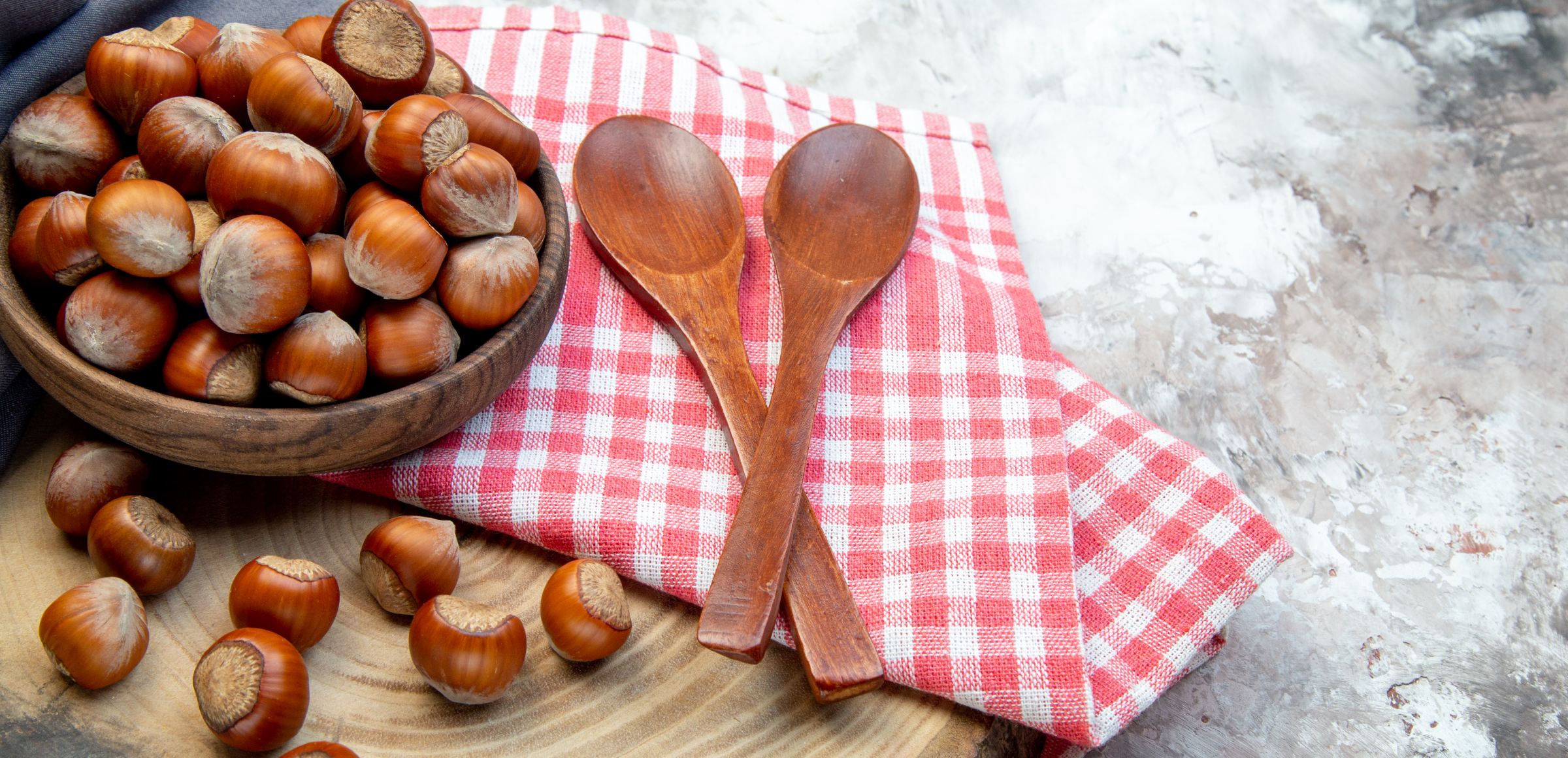
What is the quickest and cheapest way to roast chestnuts?
Few things are simpler than roasting a handful of chestnuts. Wash them, score the shells and they are ready to cook. That leaves the big question: how should you cook them? Each method takes a different amount of time, produces slightly different results and, of course, has a different impact on your electricity bill.
So we have put together a comparison covering all these factors to help you decide which method to use. If you are short on patience and do not mind breaking with tradition, here is a spoiler: the microwave may be the quickest and most economical choice…
Methods, times and costs for roasting 500 g of chestnuts at home
|
Method and power rating: |
Time: |
kWh used: |
Result: |
Cost per 500 g: |
|---|---|---|---|---|
|
Oven (3,000 W) |
25 minutes |
1.25 kWh |
Traditional with a toasted shell |
€0.160 |
|
Air fryer (1,700 W) |
2 batches of 15 minutes |
0.85 kWh |
Traditional with a toasted shell |
€0.109 |
|
Microwave (900 W) |
3 batches of 3 minutes |
0.18 kWh |
More tender, with an untoasted shell |
€0.023 |
|
Frying pan on a ceramic hob (2,000 W) |
20 minutes |
0.67 kWh |
Firmer texture and a more toasted shell |
€0.086 |
Cost calculated at a rate of €0.128561/kWh on Endesa's Luz 24h Online tariff, as of 8 October 2026. Times and power ratings are indicative and will depend on your appliances.
When to use each method for roasting chestnuts
In practice, choosing one method over another for roasting chestnuts comes down to two factors: how much time you have and how many you are cooking.
When roasting for the whole family, it makes more sense to use the oven's capacity to cook them all in one go. Alternatively, you can use a large frying pan if you have one.
On the other hand, if you are planning a cosy afternoon on the sofa with a blanket and a portion of chestnuts just for yourself, the microwave or air fryer will be plenty for a generous serving, keeping energy consumption down to a single batch.
Can it cost more to roast chestnuts in an air fryer than in the oven?
Depending on how many chestnuts you are cooking, yes. The air fryer is quicker and cheaper than the oven for cooking small quantities, but energy consumption multiplies when you have to cook multiple batches to make several portions.
As shown in the table above, 500 grams of chestnuts need to be split into at least two batches to cook properly in an air fryer. This doubles the final cost, bringing it close to that of a conventional oven.
How to roast chestnuts in the oven while saving electricity
We have all seen them roasted over huge braziers in the street – an unmistakable sight in autumn and winter. At home, however, the most traditional way to roast chestnuts is in a conventional oven. And the method could not be simpler:
- Preheat the oven to 200 °C (top and bottom heat).
- Rinse the chestnuts in water, discarding any that have holes or feel hollow.
- Make a lengthwise slit across the rounded side, cutting through to the flesh without slicing them completely in half.
- Spread them out on a baking tray with the scored side facing up.
- Roast for 25 minutes, until the shells open up and the insides turn golden.
If you prefer them more tender, soak them in a bowl of lukewarm water for 15 minutes before scoring them. That way, the chestnuts will absorb a little moisture and roast more gently.
Three tips to use less electricity when using the oven
The oven can be the most 'expensive' way to cook at home. That is why it helps to use a few simple tricks that can cut its electricity consumption – sometimes significantly:
- Switch the oven off a few minutes before the end of the cooking time: the residual heat will be enough to finish roasting the chestnuts.
- Make use of the oven's residual heat if you have just cooked another dish. That way, you will not need to preheat it, which is the stage that uses the most energy.
- Cook the chestnuts alongside another dish if possible, provided the flavours and aromas do not clash. For example, roasting chestnuts alongside a sponge cake is a great way to halve the electricity used.
- Keep the oven clean and well maintained so that built-up grime or minor faults do not reduce its energy efficiency.
How much energy does preheating the oven and air fryer use?
Both ovens and air fryers generally need to reach a set cooking temperature before you put the food in. This preheating phase is one of the periods of highest electricity consumption, as the appliance has to generate maximum heat in the shortest possible time.
For an oven, which can have a power rating of 3,000 W or more, preheating to 200 °C can take 10 to 15 minutes. Calculating the cost on the Luz 24h Online tariff, for example, means spending nearly 10 cents before you even start roasting the chestnuts.
The extra cost is lower with an air fryer. Its compact size cuts preheating time to 5 or 6 minutes, reducing the kWh needed: with a 1,700 W appliance, you will spend around 2 cents to reach the 200 °C needed for your chestnuts.
Why keep an eye on other appliances when preheating the oven?
It is easy to forget, but preheating the oven also places a heavy demand on the contracted capacity of your electricity tariff. In other words, it affects the amount of electricity you can use at the same time across your entire home.
Because those few minutes create a spike in consumption, running other appliances at full power at the same time when your contracted capacity cannot cover them all can trip your fuse box: the miniature circuit breaker on your consumer unit switches off automatically to prevent overloading and the risk of faults.
There are two ways to stop this from happening:
- Avoid preheating the oven at the same time as running several high-consumption appliances, such as the washing machine, dishwasher or air conditioning.
- Check whether your contracted capacity is sufficient for peak demand times in your home. If necessary, request a higher capacity.
Pyrolytic cleaning: an extra cost when roasting chestnuts
Cleaning the oven after roasting chestnuts is a chore you can forget about if you have a pyrolytic self-cleaning oven. But how much does it cost?
Pyrolytic cleaning, which raises the internal temperature to an impressive 500 °C for between 1 and 3 hours, can use 10 to 15 kWh. That can work out at up to €2 to burn off built-up grease and food residue and turn it into ash.
The good news is that you do not need to run this cycle every time you roast chestnuts, as manufacturers usually recommend using it every 2 to 3 months.
More good news: when you weigh up the time and effort needed to deep-clean an oven by hand, plus the cost of cleaning products, the price may not seem so high after all.
What is the difference between roasting chestnuts in the oven and in a frying pan?
Looking purely at energy costs, roasting chestnuts in the oven uses roughly twice as much electricity as cooking them in a large frying pan on a ceramic hob.
This is partly because the oven has a higher power rating than the hob. It is also because cooking takes slightly longer: in a frying pan, heat is applied directly to the chestnuts, whereas an oven has to heat the air inside the entire cavity.
On top of that, as we saw earlier, you have to factor in the oven's preheating time and, where applicable, the energy used by pyrolytic cleaning. Those times contrast with how quickly a ceramic hob heats a frying pan – and an induction hob is faster still.
On the flip side, leaving electricity consumption aside, cooking them in a frying pan is slightly more involved. There are two main reasons for this:
- You will need to keep a constant eye on the chestnuts to stop the shells from burning.
- A two-stage cooking method is usually recommended: first, par-cooking them briefly in a little water in the pan to soften the flesh, and second, dry-roasting them.
How to cook chestnuts properly in the microwave
Without a doubt, the quickest and cheapest way to cook chestnuts is in the microwave. However, it is worth bearing in mind that the result will never be quite the same as with the other methods. Why? Because a microwave actually cooks the flesh of the chestnuts from the inside out, without toasting the shell or giving them that signature smoky flavour of traditional roasted chestnuts. In short, they are cooked, rather than roasted.
The preparation process in the microwave is very similar to the oven method, with two extra tips:
- Cook the chestnuts in smaller batches in a single layer so that they all cook evenly.
- Cover them with a clean, damp cloth – making sure it has no labels or metallic threads – so that they stay more tender and moist.
Why is the microwave cheaper to run?
The microwave's cost-effectiveness comes down to how quickly it cooks. That speed is due to its technology rather than its power rating: instead of heating the surrounding air like an oven, electromagnetic waves generate heat directly inside the food. By acting straight on the water molecules, everything cooks much faster.
Why do you need to score chestnuts before roasting them?
Whether you use a frying pan, oven, air fryer or microwave, every recipe for roasted chestnuts includes the same essential step: cutting a slit across the rounded side of the shell.
The main purpose of this incision is to stop the chestnuts from exploding as they cook. If the shell is left completely intact, the moisture inside the flesh turns to steam at high temperatures and builds up pressure until the chestnut bursts. It is similar to what happens to corn kernels when making popcorn. However, when you compare the size of a corn kernel to a chestnut, it becomes clear why you should never skip scoring them.
In addition, the slit helps heat penetrate the inside of each chestnut more easily. And once they are roasted, it makes peeling the shells much easier.
This raises a very common question: how deep does the cut need to be? To be effective, the knife needs to cut right through the hard outer shell, the thin papery skin underneath and – without cutting the chestnut in half – slightly into the flesh inside.
How does your electricity tariff affect the cost of roasting chestnuts?
Depending on the tariff you are on, choosing when to roast your chestnuts can make a big difference to how much you pay to enjoy them.
For example, on a time-of-use tariff such as Endesa's Conecta 3 Periodos, waiting until the weekend can cost half as much as roasting them at peak times on weekdays. This is because all day on Saturdays, Sundays and national public holidays, as well as overnight on weekdays, you benefit from the cheapest off-peak rates.
And if you fancy chestnuts right away, regardless of the time or day, having a tariff such as Conecta Luz or the 1-, 2- or 3-year Luz 24h Online plans gives you the peace of mind that prices will not go up or down throughout the week.
Frequently asked questions about how to roast chestnuts
How long should you roast chestnuts in the oven?
Between 25 and 30 minutes, depending on how you like them and your oven's power rating, although you also need to factor in the time needed to preheat the oven to 200 °C before you put them in.
Is it quicker to roast chestnuts in an air fryer or a frying pan?
An air fryer is slightly quicker if you are only cooking a small handful. For larger quantities, a good-sized frying pan can be quicker, as you would have to cook them in several batches in an air fryer.
Is it a good idea to soak chestnuts before roasting them?
Yes. Wetting them – or even soaking them for a few minutes in lukewarm water – helps prevent the chestnuts from burning while roasting and keep the inside from drying out.
Why do you have to score raw chestnuts?
To stop them from exploding as the insides heat up. As they cook, the flesh expands and presses against the shell, which can cause the chestnut to burst.
Do chestnuts cooked in the microwave turn out the same as roasted ones?
No. Microwave technology cooks the chestnut using electromagnetic waves rather than the dry ambient heat of an oven or other roasting methods. The result is therefore closer to a boiled or steamed chestnut than a roasted one.
How do I calculate how much it costs to roast chestnuts?
Divide the power rating of the appliance you are using by 1,000. Next, divide that figure by 60 to get the electricity consumption per minute. Then multiply that by the number of minutes you are cooking the chestnuts for, and finally by the price in €/kWh of your tariff.
Which method is best for roasting a large batch of chestnuts?
Generally, the oven. Thanks to its larger capacity, you can make much more energy-efficient use of the heat it generates than you would with a microwave or an air fryer.
Take a minute to find the product that best suits you:
{{firstStep.title}}
Take a minute to find the product that best suits you:
{{title}}
{{content.phone.title}}
{{content.phone.text}}
{{content.phone.phoneText}}
{{content.form.title}}
{{content.form.text}}
{{content.form.success.title}}
You don't need to adapt to Endesa's tariffs because they adapt to you. If you go to our catalogue you can compare the different tariffs for yourself. Or if you prefer, you can answer a few questions and we will take care of comparing all the different electricity and gas tariffs and then make a customised recommendation.
Comparison of Electricity and Gas Tariffs
You don't need to adapt to Endesa's tariffs because they adapt to you. If you go to our catalogue you can compare the different tariffs for yourself. Or if you prefer, you can answer a few questions and we will take care of comparing all the different electricity and gas tariffs and then make a customised recommendation.
Do you want to see all our offers?
Spend a minute to find the product which best adapts to you:
{{firstStep.title}}
Spend a minute to find the product which best adapts to you:
{{title}}
{{content.phone.title}}
{{content.phone.text}}
{{content.phone.phoneText}}
{{content.form.title}}
{{content.form.text}}
{{content.form.success.title}}
Spend a minute to find the product which best adapts to you:
{{title}}
{{content.phone.title}}
{{content.phone.text}}
{{content.phone.phoneText}}
{{content.form.title}}
{{content.form.text}}