


If you prefer to always view the website in English, please click here.
{{content.phone.title}}
{{content.phone.text}}
{{content.phone.phoneText}}
{{content.form.title}}
{{content.form.text}}
{{content.form.success.title}}
Oil-filled radiator: definition and operation
An oil-filled radiator is a portable electric heating system that provides even, long-lasting warmth. It works thanks to an internal thermal fluid that retains heat even after the unit is switched off, making it a practical and quiet option for small to medium-sized rooms.
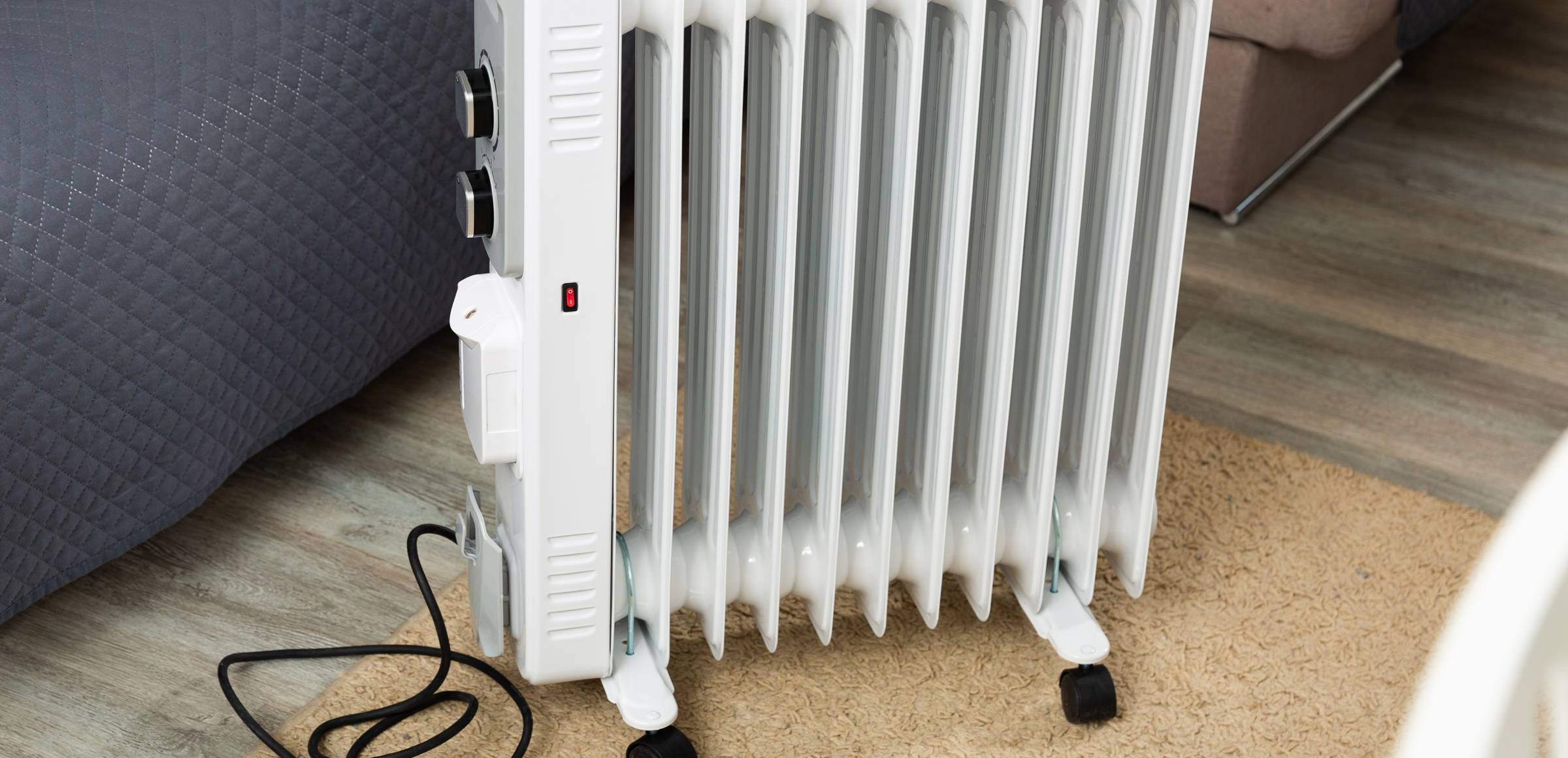
With the arrival of winter, choosing an efficient and safe heating system becomes a priority for many households. Among the available options, oil-filled radiators stand out for their ability to retain heat for longer periods and for offering quiet, comfortable operation. Below, we explain in detail what they are, how they work, and their main advantages and drawbacks.
What is an oil-filled radiator?
An oil-filled radiator is a portable electric appliance made of metal and designed to heat small to medium-sized rooms, typically between 25 and 40 m². Unlike other electric heaters that generate heat directly, this type of radiator uses an internal thermal fluid (mineral oil) that is heated by an electric heating element.
This oil is not consumed and does not need to be replaced. It acts as a heat transfer medium, circulating through the radiator’s chambers and distributing heat evenly.
How an oil-filled radiator works
The operation of an oil-filled radiator is simpler than it may seem, which is precisely why it is so practical for everyday use.
- When the unit is plugged in, the heating element is activated and begins heating the internal oil.
- The hot oil transfers heat to the metal walls of the radiator.
- The heat is gradually and evenly radiated into the room, creating a warm and comfortable environment.
One of the key advantages of this system is its thermal inertia: the radiator continues to emit heat even after being switched off, thanks to the heat stored in the oil. This makes it more efficient than other instant electric heating systems, such as convectors, which lose heat as soon as they are turned off.
Advantages of oil-filled radiators
Their features make them particularly appealing for home use:
- Long-lasting heat: thanks to the oil’s thermal inertia, they retain warmth for longer, even after being turned off.
- Silent operation: they produce no noise, making them ideal for bedrooms, home offices or study areas.
- Safety: they do not burn oxygen or dry out the air, helping to avoid respiratory discomfort and creating a healthier indoor environment.
- Portability: most models include wheels and handles for easy transport from one room to another as needed.
- Energy efficiency: modern models are equipped with thermostats and timers that allow you to adjust consumption and make better use of energy.
Drawbacks to consider
Although oil-filled radiators offer many advantages, there are also some aspects to consider before choosing them as a primary heating system:
- Slower warm-up: they take longer to reach the desired temperature compared to instant electric heaters.
- Weight: being filled with oil, they are heavier than other portable radiators, which can make them harder to move.
- Electricity consumption: while they are more efficient than conventional electric radiators, they still rely entirely on electricity. Therefore, they are a less cost-effective option compared to more advanced technologies such as aerothermal systems or heat pumps.
Tips for using an oil-filled radiator properly in winter
Oil-filled radiators are a practical solution for keeping your home warm, although their performance largely depends on how they are used. Here are some tips to help you get the most out of them:
Use them in suitable rooms
They work best in small or medium-sized spaces where steady, consistent heat is needed. They are also very useful in second homes or rooms that do not require continuous heating. Additionally, as they are silent, they are ideal for bedrooms, home offices or study areas.
Perform basic maintenance
Keeping the radiator clean and periodically checking the power cord ensures safe and efficient operation.
Do not cover it
Avoid placing laundry or objects on top of the radiator, as this can interfere with heat transfer and reduce its efficiency.
Keep the temperature moderate
Setting the thermostat between 19 and 21 °C is enough to ensure comfort without driving up electricity consumption.
Take advantage of thermal inertia
Turn it off a few minutes before leaving the room, as it will continue to release heat thanks to the oil stored inside.
Why your oil-filled radiator may be using more energy than necessary
Although oil-filled radiators are a practical and safe way to heat rooms, their electricity consumption can increase if they are not used correctly. Some common reasons include:
Prolonged, uncontrolled use
Leaving the radiator on for many hours in a row, even when it is not needed, increases energy costs.
Excessively high temperatures
Setting the thermostat above 22 °C leads to unnecessary consumption and does not always improve comfort.
Poor insulation
If doors or windows are poorly sealed, heat escapes and the radiator has to work harder to maintain the temperature.
Lack of maintenance
A dirty radiator or damaged wiring can reduce efficiency and increase consumption.
Improper placement
Placing it in drafty areas or near open windows forces the unit to run longer to compensate for heat loss.
Ultimately, responsible and mindful use is key to ensuring that an oil-filled radiator provides efficient heat without sending your electricity bill soaring.
Electric radiator: a practical winter ally
The oil-filled radiator is a practical, safe and quiet solution for heating small- to medium-sized rooms during the colder months. Its oil-based thermal inertia allows it to deliver even, long-lasting warmth, providing immediate comfort with minimal hassle.
While it does have limitations compared to more advanced technologies such as aerothermal systems or heat pumps, it remains a very useful option when simplicity and effectiveness are needed in specific spaces.
In short, it is a perfect ally for those who value ease of use, comfort and efficiency —provided it is used responsibly and combined with good energy-saving practices.
Take a minute to find the product that best suits you:
{{firstStep.title}}
Take a minute to find the product that best suits you:
{{title}}
You don't need to adapt to Endesa's tariffs because they adapt to you. If you go to our catalogue you can compare the different tariffs for yourself. Or if you prefer, you can answer a few questions and we will take care of comparing all the different electricity and gas tariffs and then make a customised recommendation.
Take a minute to find the product that best suits you:
{{title}}
You don't need to adapt to Endesa's tariffs because they adapt to you. If you go to our catalogue you can compare the different tariffs for yourself. Or if you prefer, you can answer a few questions and we will take care of comparing all the different electricity and gas tariffs and then make a customised recommendation.
Comparison of Electricity and Gas Tariffs
You don't need to adapt to Endesa's tariffs because they adapt to you. If you go to our catalogue you can compare the different tariffs for yourself. Or if you prefer, you can answer a few questions and we will take care of comparing all the different electricity and gas tariffs and then make a customised recommendation.
Do you want to see all our offers?
Spend a minute to find the product which best adapts to you:
{{firstStep.title}}
Spend a minute to find the product which best adapts to you:
{{title}}
{{content.phone.title}}
{{content.phone.text}}
{{content.phone.phoneText}}
{{content.form.title}}
{{content.form.text}}
{{content.form.success.title}}
Spend a minute to find the product which best adapts to you:
{{title}}
{{content.phone.title}}
{{content.phone.text}}
{{content.phone.phoneText}}
{{content.form.title}}
{{content.form.text}}