Ecological Transition
In 2025, Endesa detected 72,700 cases of electricity fraud in Spain, the highest figure in the last five years. 26% of these stemmed from cannabis farms. Behind every illegal connection is a criminal structure that recruits young people. Soifi4Equality, a social impact company, leads a preventive programme to protect minors from drug use and street dealing.
By Jose Antonio Funes
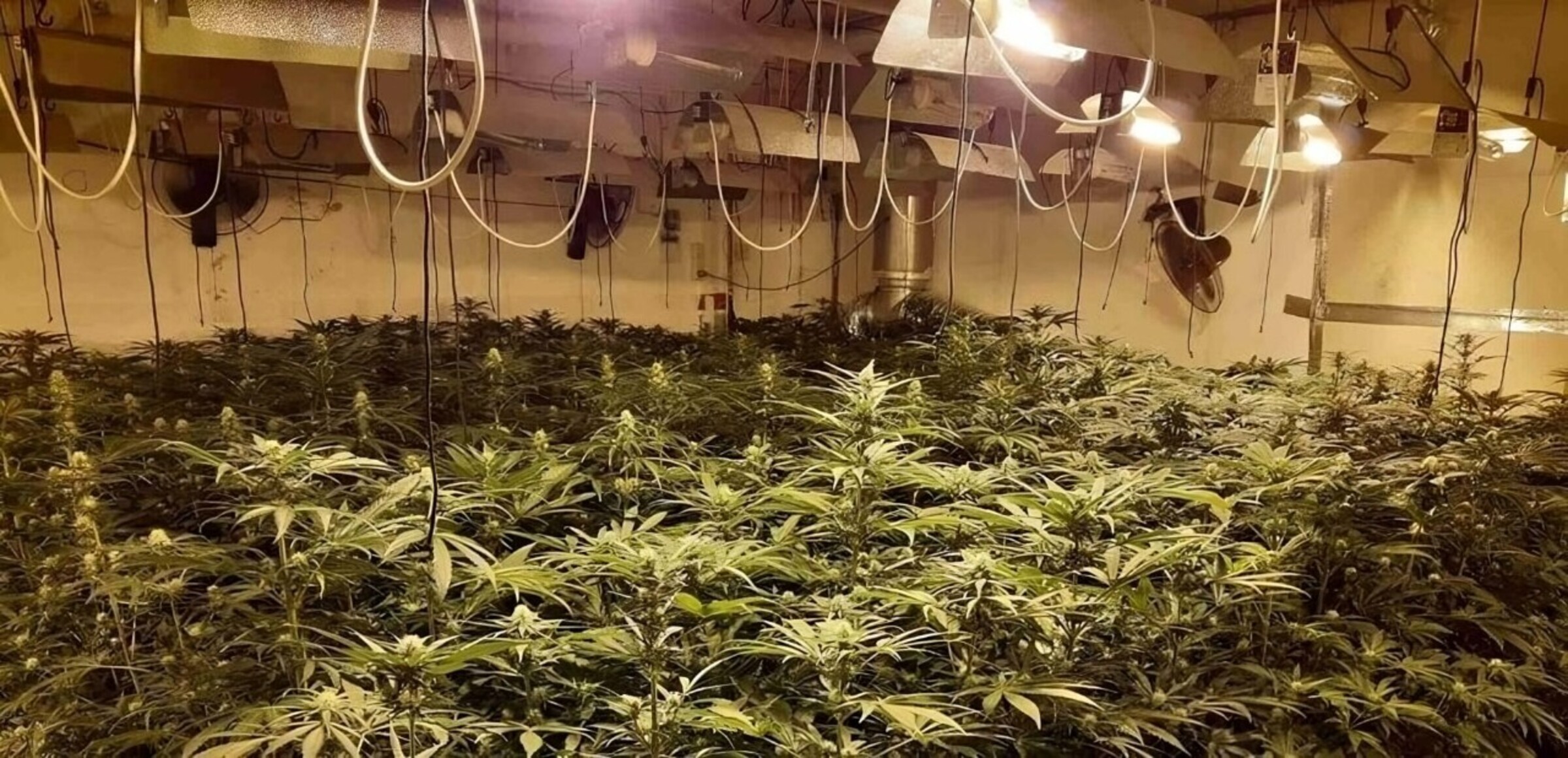
Two hundred a day. That is the rate at which Endesa detected electricity fraud in 2025, a five-year high. One in four leads to a cannabis farm. In the first four months of 2025 alone, Granada recorded 246 illegal plantations, generating illegal electricity connections that cause overloads and costs borne by all residents. Spain accounts for 73% of all cannabis seizures in the European Union, and each facility consumes as much electricity as eighty homes.
But the real damage goes further. Each plantation creates a network of minor tasks—surveillance, transport, distribution—which are offered to local youths with the promise of easy money (a practice known as petaqueo). This has a name: street dealing.
We are looking at the world's second-largest business by volume, with more than 300 billion dollars in circulation. Higher consumption generates more demand, more plantations, and greater recruitment of young people. It is a vicious cycle that always closes in on the most vulnerable. A lucrative business for only a select few. The rest end up in prison and with severe pathologies.
Street dealing is presented as a deceptive opportunity for quick cash. It doesn't arrive with threats. It seduces with an attractive-sounding proposal: watch a corner, transport a package. Halconeo (lookouts), petaqueo (transporting supplies), trapicheo (street dealing). Words that young people know before adults even learn to pronounce them. Criminal organisations recruit through social media, the environment where young people spend much of their time. And they lure young people with promises of quick and easy money.
But these young people are unaware that those who end up before a prosecutor and a judge, in a cold courtroom, are usually the weakest links in the chain. Easy money hides a real cost: criminal records, dropping out of school, addiction, and shattered life plans. The kingpin lives in a luxury home, while those who make it possible fall ill, die prematurely, go to prison, and destroy both their present and their future.
The problem is also neurological; the brain does not fully mature until the age of 25–30, and cannabis use before the age of 18 can leave permanent effects on memory and learning. Spanish youths begin consuming alcohol at an average age of 14 (ESTUDES 2021); cannabis is the most widely used illegal drug in the country. And one fact that is consistently underestimated: women develop addictions faster and are more likely to relapse, a phenomenon known as the telescoping effect. Prevention is not merely a well-intentioned option. It is a structural obligation.
Consumption and street dealing are not isolated phenomena. They feed a criminal network that includes, among other problems, human trafficking, prostitution and exploitation, and extreme violence through score-settling. Drug consumption and street dealing indirectly finance these criminal networks. There is no heroism in fast money: it is a trap disguised as an opportunity.
Without street dealing, there is no drug trafficking. Without the lowest links—those who watch, transport, and sell on the corner—the business does not work. Dismantling it requires acting where the demand originates: at the decision point of a young person who can still choose. Every euro invested in prevention avoids judicial, healthcare, and social costs, and above all, ruined lives. Supporting prevention is not philanthropy; it is a strategic investment in social sustainability. Prevention is not just the key; it is the only key.
Soifi4Equality, a social impact company, leads a preventive programme to protect minors from drug use and street dealing. More than 600 students have already participated, and the goal for 2026 is to reach 2,000 young people in the province of Granada alone.
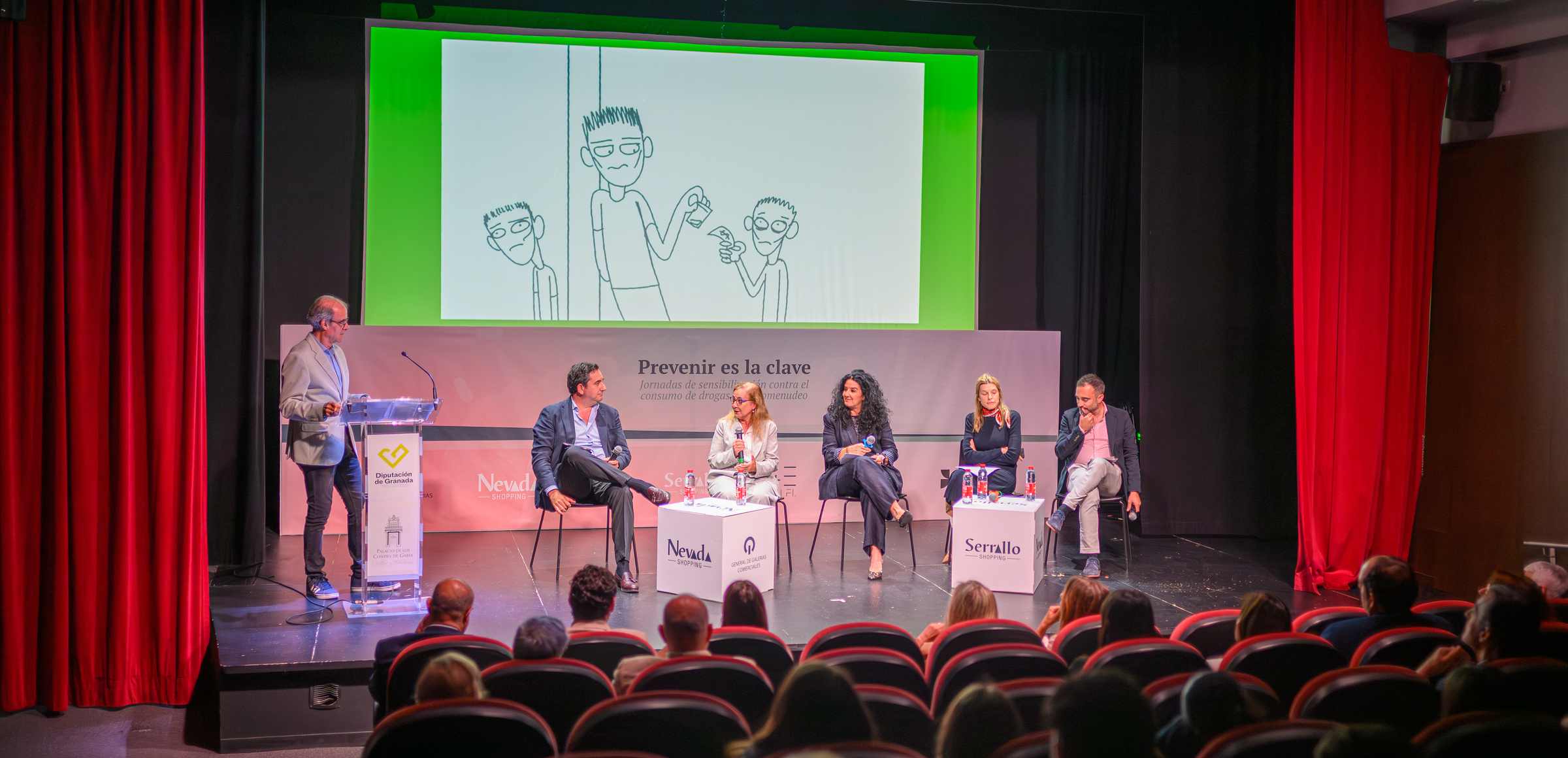
"Prevention is Key", promoted by SOIFI4Equality and the Granada Provincial Council, brings prevention to young people in their own language to make it effective. It combines online training in educational centres with sporting and cultural incentives, culminating in an event that brings together schools, companies, and institutions to jointly address a situation of increasing severity. The most committed students receive prizes: tickets to cultural and sporting events, because healthy leisure is part of the solution.
The course consists of six modules:
The first dismantles the myth that addiction is a lack of willpower: it is an illness recognised by the WHO.
The second explores cannabis in depth, from its different forms to the documented relationship between THC and schizophrenia.
The third (the most uncomfortable one) explains drug trafficking as a multinational corporation, how street dealing operates, and what happens to those who try to leave.
The fourth focuses on addiction and gender, dual diagnosis, resilience, and emotional tools.
The fifth introduces drink and drug spiking and chemsex, with more than thirty identified substances and the framework of Organic Law 10/2022.
The sixth connects everything with the National Drugs Plan and the available support resources.
Prevention requires an alliance between administrations, companies, the media, and civil society. It is not philanthropy: it is a strategic investment. Allocating to prevention what we spend today on repairs would mean fewer broken lives and a better future for our community. Why wait until criminal law has to intervene?